 EN
 AR
 BG
 HR
 CS
 DA
 NL
 FI
 FR
 DE
 EL
 HI
 IT
 JA
 KO
 NO
 PL
 PT
 RO
 RU
 ES
 SV
 TL
 ID
 UK
 VI
 SQ
 HU
 TH
 TR
 BE
 AZ
 LO
 MN
 MY
 KK
 SU
 UZ
 KY

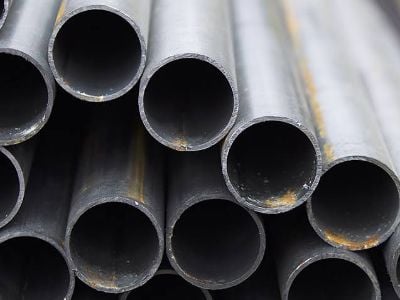
Galvanized tubing is a versatile and durable material widely used in various industrial applications, particularly for cutting and welding operations. Understanding how galvanized tubing handles these processes is crucial for B2B buyers, purchasing managers, and engineers who seek reliable materials that can withstand demanding environments. This article will explore the efficiency of galvanized tubing in cutting and welding, essential specifications to consider, quality control measures, common challenges faced during these operations, and guidance on selecting the right tubing for your project needs
How Galvanized Tubing Enhances Cutting and Welding Efficiency
Galvanized tubing is designed to provide excellent performance in cutting and welding operations. The galvanized coating offers enhanced corrosion resistance, which is particularly beneficial in environments where moisture or chemicals are present. This protective layer minimizes oxidation during cutting and welding, ensuring cleaner edges and welds. The steel core of galvanized tubing is often stronger than non-galvanized alternatives, enabling it to withstand the mechanical stresses associated with these processes
When cutting galvanized tubing, precision is key. The material's consistent thickness allows for smoother cuts, reducing the risk of burrs or jagged edges that can complicate further processing. Additionally, when welding galvanized tubing, the zinc coating requires specific techniques to avoid issues such as porosity or burn-through. Proper pre-welding preparation, such as grinding away the galvanized layer at the weld joint, can further enhance the quality of the final product
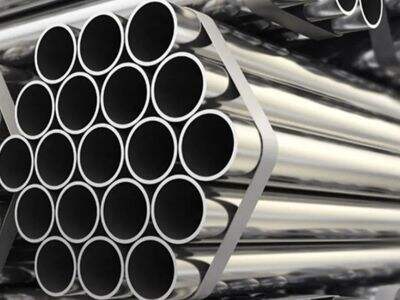
Key Specifications for Galvanized Tubing in Industrial Applications
Understanding the specifications of galvanized tubing is essential for ensuring it meets the requirements of your specific application. Key specifications include
Material Composition: Most galvanized tubing is made from carbon steel, which provides strength and durability. The thickness of the zinc coating can vary, typically measured in grams per square meter (g/m²), affecting corrosion resistance
Dimensions: Common dimensions include outer diameter (OD), wall thickness, and length. These dimensions should align with the specific needs of your project, as they impact compatibility with other components and overall structural integrity
Mechanical Properties: The yield strength and tensile strength of the tubing are critical for applications involving high loads or stresses. These properties should be verified against the anticipated operational conditions
Standards and Certifications: Ensure that the galvanized tubing meets relevant industrial standards, such as ASTM A53 or ASTM A500, which govern specifications for steel pipes and tubes. Certifications may also encompass quality management systems, such as ISO 9001, reflecting the manufacturer's commitment to quality
By confirming these specifications, buyers can ensure that the galvanized tubing they select is suitable for their intended application and will perform reliably under operational stresses
Quality Control Measures for Reliable Galvanized Tubing Supply
Quality control is paramount in the manufacturing of galvanized tubing to ensure consistency and reliability. Effective measures include
Incoming Material Inspection: Raw materials should be thoroughly inspected for compliance with specifications before entering the production process. This step helps identify potential issues early, reducing the risk of defects in the finished product
In-Process Quality Checks: During production, regular checks should be conducted to monitor parameters such as wall thickness, dimensions, and zinc coating integrity. Equipment calibration and maintenance are also vital to maintaining quality standards
Final Inspection and Testing: Before shipping, finished galvanized tubing should undergo final inspections, including dimensional verification and mechanical testing. Non-destructive testing methods, such as ultrasonic or magnetic particle inspection, can identify internal defects without damaging the product
Documentation and Traceability: Maintaining comprehensive records of material batches, production processes, and inspections helps ensure traceability and accountability. This documentation is crucial for addressing any quality concerns that may arise post-delivery
Implementing these quality control measures not only enhances product reliability but also builds trust between suppliers and buyers, ensuring that the delivered tubing meets or exceeds expectations
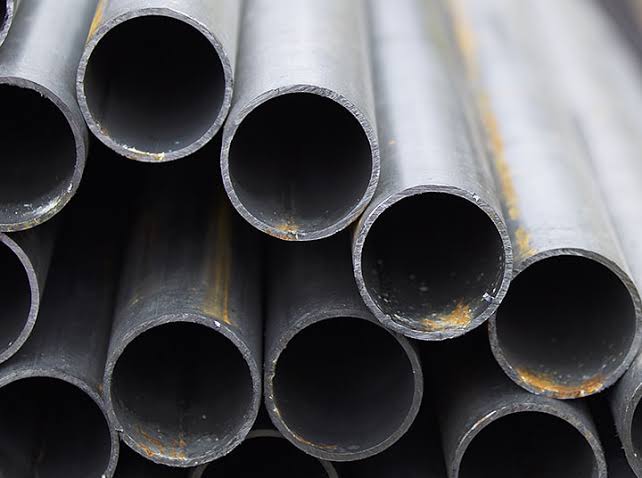
Common Challenges in Cutting and Welding Galvanized Tubing
While galvanized tubing offers numerous advantages, cutting and welding operations can present challenges. Common issues include
Zinc Fumes: During welding, the zinc coating can produce harmful fumes. Proper ventilation and personal protective equipment (PPE) are essential to ensure safety for workers
Weld Quality: If the galvanized coating is not adequately removed from the weld area, it can lead to poor weld penetration and increased porosity. This issue necessitates careful preparation before welding
Thermal Expansion: The heat from welding can cause thermal expansion, leading to warping or distortion of the tubing. Employing appropriate welding techniques and controlling heat input can mitigate this issue
Burrs and Edges: Cutting galvanized tubing can produce burrs that interfere with proper fitting during assembly. Implementing post-cutting processes, such as deburring, can improve assembly accuracy
Being aware of these challenges allows buyers and manufacturers to implement strategies to enhance the efficiency and quality of their cutting and welding operations
Selecting the Right Galvanized Tubing for Your Project Needs
Choosing the appropriate galvanized tubing for your project involves several considerations
Application Requirements: Assess the specific application to determine the necessary mechanical properties, dimensions, and corrosion resistance requirements. High-load applications may require thicker walls or higher-grade materials
Compatibility: Ensure that the selected tubing is compatible with other components in your assembly or system. This includes verifying dimensions, joint types, and any necessary fittings
Customization Options: Many manufacturers, including Shandong Jiate Steel Co., Ltd., offer customization options for dimensions, wall thickness, and surface treatments. Discussing your project needs with the supplier can lead to tailored solutions that meet your specifications
Lead Time and MOQ: Consider production lead times and minimum order quantities (MOQ) when selecting a supplier. Understanding these factors can help you plan your project timeline and budget effectively
Cost Considerations: Evaluate the total cost of ownership, including material costs, shipping, and any additional processing fees. Sometimes, a lower initial price may not reflect the overall value if quality and reliability are compromised
By taking these factors into account, buyers can make informed decisions that lead to successful project outcomes, ensuring the selected galvanized tubing meets both performance and budgetary requirements
Table of Contents
- How Galvanized Tubing Enhances Cutting and Welding Efficiency
- Key Specifications for Galvanized Tubing in Industrial Applications
- Quality Control Measures for Reliable Galvanized Tubing Supply
- Common Challenges in Cutting and Welding Galvanized Tubing
- Selecting the Right Galvanized Tubing for Your Project Needs