 EN
 AR
 BG
 HR
 CS
 DA
 NL
 FI
 FR
 DE
 EL
 HI
 IT
 JA
 KO
 NO
 PL
 PT
 RO
 RU
 ES
 SV
 TL
 ID
 UK
 VI
 SQ
 HU
 TH
 TR
 BE
 AZ
 LO
 MN
 MY
 KK
 SU
 UZ
 KY

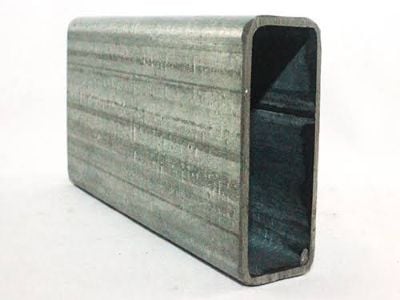
Galvanized tubing is a crucial component in structural applications, known for its strength, durability, and resistance to corrosion. Produced through a specialized process that involves coating steel with zinc, galvanized tubing meets rigorous industry standards, making it a preferred choice for construction and engineering projects. We will explore how galvanized tubing is produced, the specifications that matter for buyers, tips for selecting the right supplier, installation guidance, and its various applications across industries. Understanding these aspects can assist purchasing managers and engineers in making informed decisions when sourcing galvanized tubing for their projects
How Galvanized Tubing Meets Structural Application Standards
Galvanized tubing is produced to meet specific structural application standards, primarily defined by ASTM (American Society for Testing and Materials) specifications. For instance, ASTM A500 outlines the requirements for cold-formed welded and seamless carbon steel structural tubing in round, square, and rectangular shapes. Tubing produced under this standard ensures the necessary yield strength and tensile strength, which are critical for structural integrity
The galvanization process adds a layer of zinc to the steel, enhancing its resistance to rust and corrosion, which is vital for longevity in outdoor or high-moisture environments. This protective coating is achieved through either hot-dip galvanizing or electro-galvanizing. Hot-dip galvanizing involves immersing the steel in molten zinc, ensuring a thicker and more robust coating. Buyers should verify that the tubing conforms to relevant standards to ensure it meets the performance requirements for their specific applications
Key Specifications for Galvanized Tubing in Bulk Orders
When ordering galvanized tubing in bulk, several key specifications must be considered to ensure the product meets project requirements. These include
Dimensions: The diameter and wall thickness of the tubing should align with project specifications. Common sizes range from 1/2 inch to several inches in diameter, with wall thickness varying based on load requirements
Material Grade: The steel grade (such as, ASTM A53, A500) affects the strength and durability of the tubing. Specifying the correct grade ensures that the tubing can withstand the expected loads and environmental conditions
Coating Weight: The amount of zinc applied during the galvanization process, typically measured in grams per square meter, impacts the corrosion resistance. A higher coating weight offers better protection, especially in harsh environments
Length: Standard lengths often range from 20 to 40 feet, but custom lengths can be provided based on project needs
Finish: The surface finish can vary from smooth to rough, affecting aesthetics and compatibility with other materials
Buyers should ensure these specifications are included in their RFQs to facilitate accurate quotations from suppliers
Choosing the Right Supplier for Galvanized Tubing Products
Selecting a reliable supplier for galvanized tubing is vital for ensuring product quality and timely delivery. Here are some considerations for buyers
Manufacturing Capabilities: Assess the supplier’s manufacturing processes and equipment. A supplier with advanced technology and experienced personnel is likely to produce higher-quality products
Quality Control Processes: Inquire about the supplier's quality assurance protocols. A robust quality control system, including regular inspections and testing, ensures that the tubing meets required specifications
Customization Options: Some projects require customized tubing dimensions or coatings. Choose a supplier with the capability to accommodate custom orders, as this can significantly affect project timelines and costs
Experience and Reputation: Look for suppliers with a proven track record in the industry. Customer testimonials and case studies can provide insights into the supplier's reliability and product performance
Lead Times and Shipping: Ensure that the supplier can meet your project's deadlines. Understanding their production lead times and shipping capabilities is crucial for planning
By carefully evaluating potential suppliers based on these factors, purchasing managers can mitigate risks associated with quality and delivery
Installation Guidance for Galvanized Tubing in Structures
Proper installation is critical to maximizing the benefits of galvanized tubing in structural applications. Here are key considerations
Preparation: Before installation, inspect the tubing for any visible defects, such as dents or excessive rust. Any damaged sections should be replaced to maintain structural integrity
Joining Methods: Galvanized tubing can be joined using welding or mechanical methods. For welding, ensure that the proper techniques are used to avoid compromising the galvanized coating. If welding is necessary, use a method that minimizes heat input to reduce zinc oxidation
Supports and Spacing: Follow engineering guidelines for spacing and support placement. Insufficient support can lead to structural failure, while excessive spacing may lead to sagging
Weather Protection: During installation, protect the tubing from exposure to harsh weather conditions. Temporary coverings can prevent moisture accumulation, which can lead to corrosion
Post-Installation Inspection: After installation, conduct a thorough inspection to ensure that all connections are secure and that the tubing is properly aligned
These installation practices help ensure that galvanized tubing performs effectively in its intended structural role
Applications of Galvanized Tubing in Various Industries
Galvanized tubing is versatile, finding applications across various industries due to its durability and corrosion resistance. Key applications include:
Construction: Commonly used in framing, scaffolding, and as structural supports, galvanized tubing provides the strength needed for load-bearing applications
Agriculture: Used in fencing, equipment supports, and irrigation systems, galvanized tubing withstands outdoor conditions and contributes to long-lasting agricultural infrastructure
Automotive: Employed in the manufacturing of vehicle frames and components, galvanized tubing's corrosion resistance is critical for vehicles exposed to harsh environments
Telecommunications: Used in the construction of poles and supports for communication lines, ensuring that the infrastructure remains intact in varied weather conditions
Manufacturing: In production facilities, galvanized tubing can be used for racks, conveyor systems, and other structural applications where durability is essential
By understanding the diverse applications of galvanized tubing, buyers can better evaluate how it can meet their specific needs in different contexts
In summary, galvanized tubing is a key material in structural applications, with production standards and specifications that ensure its strength and durability. By considering the manufacturing process, choosing the right supplier, and following installation best practices, purchasing managers and engineers can effectively leverage galvanized tubing for a wide range of industrial applications