 EN
 AR
 BG
 HR
 CS
 DA
 NL
 FI
 FR
 DE
 EL
 HI
 IT
 JA
 KO
 NO
 PL
 PT
 RO
 RU
 ES
 SV
 TL
 ID
 UK
 VI
 SQ
 HU
 TH
 TR
 BE
 AZ
 LO
 MN
 MY
 KK
 SU
 UZ
 KY

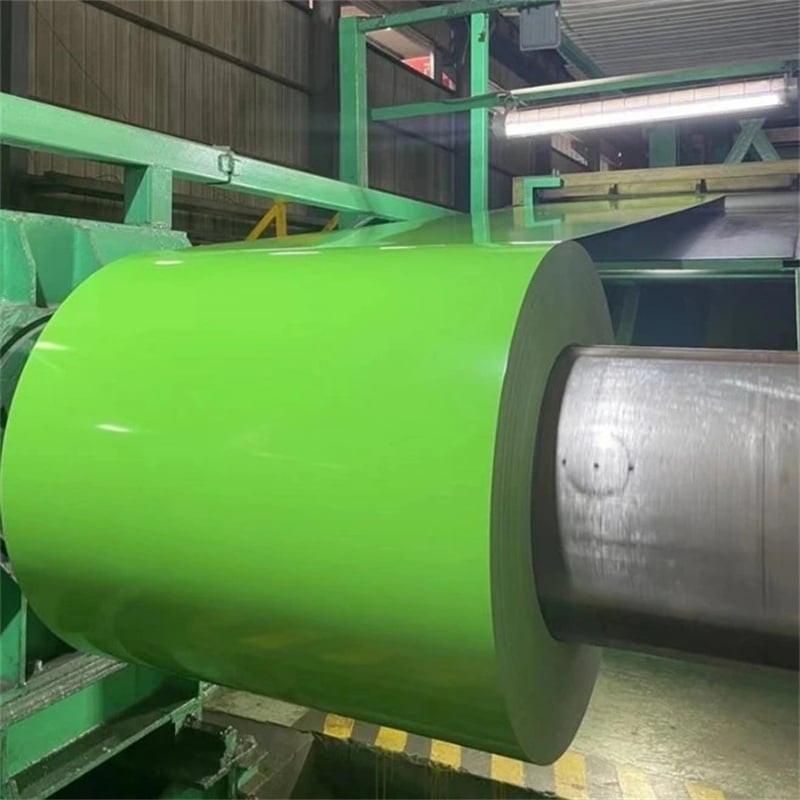
Galvanized tubing plays a pivotal role in supporting modular construction systems, providing the structural integrity and durability required for modern building projects. As B2B buyers such as purchasing managers, distributors, and engineers evaluate their sourcing options, understanding the specific benefits and considerations of galvanized tubing becomes essential. This article will delve into key specifications for selecting quality products, sourcing reliable suppliers, cost factors for bulk orders, installation guidance, and quality evaluation all critical for making informed purchasing decisions in the modular construction industry.
Key Specifications for Selecting Quality Galvanized Tubing Products
When selecting galvanized tubing for modular construction, several key specifications should be considered to ensure the material meets project requirements.
Material Composition: Galvanized tubing is typically made from carbon steel, which is coated with zinc to prevent corrosion. The specific type of steel used can influence the tube's strength and weight. Buyers should verify the grade of steel and the thickness of the zinc coating, as these factors directly impact durability and performance.
Dimensions and Tolerances: Accurate dimensions are crucial. Tubing is available in various diameters and wall thicknesses, and deviations from standard measurements can lead to compatibility issues during installation. Buyers should specify required dimensions and tolerances when requesting quotes to avoid any discrepancies.
Coating Thickness: The effectiveness of galvanization is often measured by the thickness of the zinc coating. Standards such as ASTM A123 detail minimum coating thicknesses, which can be critical for applications exposed to harsh environmental conditions. Ensure that suppliers can provide documentation on coating thickness.
End Finishing Options: Depending on the application, the ends of the tubing may require specific finishing methods, such as beveling or threading. Confirming these details with the supplier in advance can streamline installation processes.
Understanding these specifications will enable buyers to select the right galvanized tubing that aligns with their structural needs and project longevity.
Where to Source Reliable Wholesale Galvanized Tubing Suppliers
Finding trustworthy suppliers for galvanized tubing is essential for ensuring quality and reliability. Here are several strategies to identify reputable wholesale suppliers:
Industry Directories and Trade Shows: Utilize industry-specific directories and attend trade shows to connect with established manufacturers. These platforms often showcase a variety of suppliers, allowing buyers to assess product offerings and build relationships.
Supplier Certifications: Look for suppliers who hold relevant certifications such as ISO 9001, which indicates a commitment to quality management systems. This can serve as a benchmark for reliability and quality assurance.
Customer Reviews and References: Research online reviews and seek references from previous customers. Real-world experiences can provide insights into a supplier's reliability, product quality, and customer service.
Local vs. Global Suppliers: Depending on your project requirements, consider the benefits of local suppliers like shorter lead times and reduced shipping costs versus global suppliers, which may offer competitive pricing or specialized products.
Request Sample Products: Before committing to a large order, request samples to evaluate the quality of the galvanised steel tube. This step can help prevent potential issues during mass production.
By following these guidelines, purchasing managers can confidently source galvanized tubing from suppliers that meet their project standards.
Comparing Cost Factors for Bulk Orders of Galvanized Tubing
Understanding the cost factors associated with bulk orders of galvanized tubing is vital for budget management. Here are key elements that influence pricing:
Material Costs: The base price of raw steel and zinc fluctuates based on market conditions. Buyers should monitor these prices as they can significantly affect the overall cost of galvanized tubing.
Order Quantity and MOQ: Many suppliers set a minimum order quantity (MOQ) for bulk purchases. Larger orders often result in lower per-unit costs due to economies of scale. Buyers should evaluate their needs and consider consolidating orders to maximize cost savings.
Customization Requirements: Customization, such as specific lengths, finishes, or additional processing, can increase costs. Buyers should assess whether customization is necessary and balance it against the overall budget.
Shipping and Handling: Freight costs can add up, especially for large orders or international shipments. Buyers should factor in shipping costs when comparing supplier quotes and look for suppliers who offer competitive shipping options.
Payment Terms: Understanding payment options and terms can also impact cash flow. Some suppliers may offer discounts for early payment, while others may require deposits for large orders.
By carefully considering these cost factors, purchasing managers can make informed decisions that align with their budget constraints.
Installation Guidance for Galvanized Tubing in Modular Systems
Proper installation of galvanized tubing in modular construction systems is critical to ensure structural integrity and longevity. Here are practical installation tips:
Preparation and Planning: Before installation, ensure that all components are on-site and that the installation area is prepared. This includes clearing debris and ensuring that the ground is level to support the modular structure.
Cutting and Fitting: When cutting galvanized tubing, use appropriate tools to maintain clean edges and prevent damage to the zinc coating. A saw designed for metal cutting is recommended. Ensure proper fitting of joints to avoid gaps that could compromise the structural integrity.
Joining Techniques: Depending on the design, galvanized tubing may be joined through welding, threaded fittings, or mechanical connections. Each method has its own requirements, so confirm compatibility with the design specifications.
Corrosion Protection During Installation: Even with galvanized tubing, it is essential to avoid exposing cut edges or fittings to moisture or harsh conditions before installation. Utilize protective coatings where necessary to maintain integrity.
Quality Checks Post-Installation: After installation, conduct a thorough inspection to ensure that all connections are secure and there are no signs of damage. Regular maintenance checks should also be scheduled to prolong the life of the installation.
By following these guidelines, contractors can ensure a successful installation of galvanized rolled coil in modular systems, reducing the risk of future structural issues.
Evaluating the Quality of Galvanized Tubing for Your Projects
To ensure the quality of galvanized tubing meets project standards, buyers should adopt a comprehensive evaluation process:
Visual Inspection: Conduct a thorough visual inspection of the tubing upon delivery. Look for signs of damage, such as dents, scratches, or irregularities in the surface finish. Ensure that the zinc coating is uniform and free from defects.
Dimensional Verification: Use calipers or measuring tools to check the dimensions of the tubing against the specifications provided. This step is crucial to confirm compatibility with project requirements.
Test Samples: If possible, conduct tests on sample pieces to assess their performance under expected conditions. This may include strength tests, corrosion resistance tests, and other applicable assessments based on the intended application.
Quality Documentation: Request quality assurance documentation from suppliers, including test reports and certifications. This documentation provides proof of compliance with relevant standards and specifications.
Supplier Reliability: Evaluate the supplier's history and reputation in the industry. A supplier with a track record of delivering high-quality products is more likely to meet your project needs effectively.
By implementing a thorough evaluation process, buyers can ensure that the galvanized tubing they select is of the highest quality, contributing to the overall success of their modular construction projects.
Table of Contents
- Key Specifications for Selecting Quality Galvanized Tubing Products
- Where to Source Reliable Wholesale Galvanized Tubing Suppliers
- Comparing Cost Factors for Bulk Orders of Galvanized Tubing
- Installation Guidance for Galvanized Tubing in Modular Systems
- Evaluating the Quality of Galvanized Tubing for Your Projects