 EN
EN
 AR
AR
 BG
BG
 HR
HR
 CS
CS
 DA
DA
 NL
NL
 FI
FI
 FR
FR
 DE
DE
 EL
EL
 HI
HI
 IT
IT
 JA
JA
 KO
KO
 NO
NO
 PL
PL
 PT
PT
 RO
RO
 RU
RU
 ES
ES
 SV
SV
 TL
TL
 ID
ID
 UK
UK
 VI
VI
 SQ
SQ
 HU
HU
 TH
TH
 TR
TR
 BE
BE
 AZ
AZ
 LO
LO
 MN
MN
 MY
MY
 KK
KK
 SU
SU
 UZ
UZ
 KY
KY

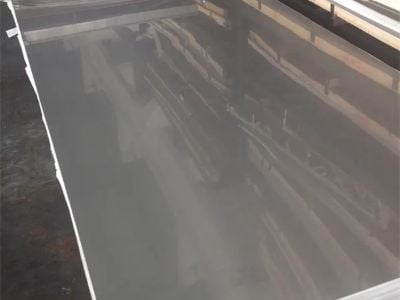
Understanding how PPGI steel coating systems affect surface durability is critical for buyers in the manufacturing and construction sectors. PPGI, or Pre-Painted Galvanized Iron, offers enhanced protection against corrosion and physical damage while maintaining aesthetic appeal. Buyers often face concerns regarding quality, longevity, and cost-effectiveness of these coatings. This article will help clarify how PPGI coatings can improve surface durability, the specifications to consider, cost factors, installation guidelines, and other essential insights for making informed purchasing decisions
How PPGI Steel Coating Systems Enhance Surface Durability
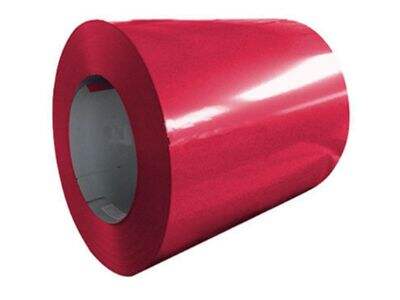
PPGI steel coating systems enhance surface durability through a multi-layer application process that provides robust protection against environmental factors. The primary layer, typically made of galvanized steel, acts as a barrier against moisture and corrosive elements. The subsequent paint layers, often polyester or epoxy-based, add resistance to scratches, UV radiation, and chemical exposure
Key benefits of PPGI include
Corrosion Resistance: The zinc layer in galvanized steel protects the underlying metal from oxidation. This is particularly important in humid or coastal environments where exposure to moisture can accelerate rusting
Impact Resistance: The coatings are designed to withstand physical impacts, which is essential for applications in high-traffic areas or where mechanical abrasion is expected
Aesthetic Longevity: The surface finish is not only protective but also visually appealing, maintaining its color and gloss over time without significant degradation
Ease of Maintenance: PPGI surfaces can be cleaned easily, which reduces maintenance costs and extends the life of the product
Understanding these factors can help buyers evaluate how well PPGI steel coating systems will perform in their specific applications
Key Specifications for Evaluating PPGI Steel Coating Quality
When assessing PPGI steel coating quality, several specifications should be considered
Thickness of Coating: The total thickness of the coating, which includes the zinc layer and paint layers, is crucial. A thicker coating generally offers better protection, but it should be balanced with weight and flexibility requirements
Adhesion Strength: This measures how well the paint adheres to the galvanized surface. Poor adhesion can lead to peeling and reduced durability. Testing methods such as cross-hatch adhesion tests can provide insights into the coating's performance
Chemical Resistance: Buyers should check the resistance of the coating to various chemicals, especially if the application involves exposure to harsh environments. This includes assessing the coating's performance in acidic or alkaline conditions
UV Resistance: Coatings should resist fading and degradation from UV exposure, particularly for applications where aesthetics matter, such as in architectural elements
Impact and Scratch Resistance: Evaluate how the coating performs under mechanical stress. This information can often be obtained from the manufacturer’s testing protocols or certifications
By focusing on these specifications, buyers can ensure that they select PPGI coatings that meet their operational needs and environmental challenges
Cost Factors to Consider When Purchasing PPGI Steel Coating
Cost considerations for PPGI steel coatings go beyond the unit price. Buyers should account for several factors that influence total cost
Material Costs: The quality of the raw materials, including the type of steel and coating, affects the price. Premium coatings may come at a higher initial cost but offer superior durability and longevity
Customization Requirements: Custom colors or specific coating thicknesses may increase costs. It's essential to discuss these needs upfront with suppliers to understand the implications on pricing
Order Quantity: Bulk orders often result in lower per-unit costs, but buyers should also consider their inventory management capabilities
Shipping and Handling: The cost of transporting PPGI materials can vary significantly based on distance, weight, and packaging. Buyers should clarify shipping terms and costs with suppliers
Long-term Value: While upfront costs are important, consider the long-term value provided by the coating. A more durable product may lead to lower maintenance and replacement costs over time
By carefully evaluating these cost factors, buyers can make more informed purchasing decisions that align with their budget and operational needs
Installation Guidelines for PPGI Steel Coating Systems
Proper installation of PPGI steel coating systems is crucial for maximizing their performance and durability. Here are key installation guidelines
Surface Preparation: Ensure that the surfaces are clean and free from contaminants such as oil, grease, and dust. Proper cleaning improves adhesion and overall coating performance
Environmental Conditions: Installation should occur in favorable weather conditions. High humidity or extreme temperatures can affect the curing process of the coating
Application Method: Follow the manufacturer's recommended application method, whether it be spraying, rolling, or dipping. Each method has specific advantages and should be chosen based on the application environment
Curing Time: Allow appropriate curing time between layers and after the final application. Inadequate curing can lead to defects and reduced durability
Quality Control: Implement a quality control process during installation to monitor adherence to specifications and detect any issues early
By adhering to these installation guidelines, buyers can ensure that PPGI coating systems perform optimally and achieve their expected lifespan
What You Need to Know
When considering PPGI steel coating systems, it is essential to gather comprehensive information for a successful purchasing process
Request Detailed Specifications: Provide potential suppliers with specific requirements such as dimensions, application environments, and performance characteristics. This helps in obtaining accurate quotations
Sample Approval: Before placing a large order, request samples to evaluate the coating's performance under your specific conditions. This can help identify any potential issues before mass production
Certification and Compliance: Verify that the manufacturer complies with industry standards and regulations relevant to your application. This ensures the quality and safety of the coating systems
Supplier Evaluation: Assess suppliers based on their manufacturing capabilities, previous customer reviews, and their ability to meet your specific requirements
By focusing on these key areas, buyers can make informed decisions that align with their operational needs and project specifications