 EN
EN
 AR
AR
 BG
BG
 HR
HR
 CS
CS
 DA
DA
 NL
NL
 FI
FI
 FR
FR
 DE
DE
 EL
EL
 HI
HI
 IT
IT
 JA
JA
 KO
KO
 NO
NO
 PL
PL
 PT
PT
 RO
RO
 RU
RU
 ES
ES
 SV
SV
 TL
TL
 ID
ID
 UK
UK
 VI
VI
 SQ
SQ
 HU
HU
 TH
TH
 TR
TR
 BE
BE
 AZ
AZ
 LO
LO
 MN
MN
 MY
MY
 KK
KK
 SU
SU
 UZ
UZ
 KY
KY

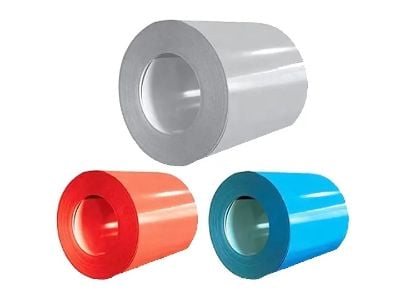
PPGI (Pre-Painted Galvanized Iron) steel coating technology has seen significant advancements, becoming essential for various industrial applications. This article explores the latest trends in PPGI steel coating technology, focusing on what B2B buyers need to know, including specifications, evaluation criteria, sourcing options, and common installation challenges. As organizations look to enhance durability, aesthetics, and functionality in their projects, understanding these trends will aid purchasing managers, engineers, and product managers in making informed decisions.
Latest Innovations in PPGI Steel Coating Technology for Buyers
Recent innovations in PPGI steel coating technology have focused on improving durability, corrosion resistance, and aesthetic appeal. New formulations for coatings now incorporate advanced polymers and nanotechnology, resulting in finishes that provide enhanced protection against environmental factors such as UV radiation, moisture, and chemical exposure. For example, some coatings now offer self-cleaning properties, reducing maintenance needs and extending the lifespan of the material. Moreover, advancements in color retention technology ensure that colors remain vibrant over time, even in harsh conditions. Buyers should consider these innovations when sourcing PPGI Silicon electrical steel, as they directly impact the longevity and performance of the materials in their specific applications, whether in roofing, wall panels, or automotive parts.
Key Specifications to Consider When Sourcing PPGI Steel
When sourcing PPGI steel, several key specifications must be evaluated to ensure the material meets the desired performance requirements. These include:
Coating Thickness: The thickness of the paint layer can significantly affect durability and corrosion resistance. Standard coatings range from 15 to 30 microns, but buyers may require thicker coatings for harsher environments.
Material Composition: Understanding the base steel's composition is crucial. PPGI typically uses galvanized steel with a zinc coating, but variations in the steel quality can affect performance. Buyers should verify the grade of zinc used and its coating weight, as this can influence the steel's corrosion protection.
Color and Finish: Color options and surface finishes (gloss, matte, textured) are vital for aesthetic applications. Buyers should ensure that the coatings meet aesthetic and functional requirements for their specific use cases.
Compliance with Standards: Buyers should confirm that the PPGI Steel rebar meets relevant industry standards and certifications, ensuring it is suitable for the intended application, especially in sectors like construction or automotive.
By confirming these specifications, buyers can avoid common pitfalls associated with sourcing PPGI steel, such as selecting materials that do not meet performance expectations.
Evaluating PPGI Steel Coating Options for Bulk Orders
When evaluating PPGI steel coating options for bulk orders, it is essential to engage in a thorough vetting process. Buyers should consider the following factors:
Supplier Reputation: Investigate the supplier's track record in producing high-quality PPGI steel. This includes looking for customer reviews, case studies, and any industry certifications that demonstrate reliability.
Sample Approval: Before committing to a bulk order, request samples to assess the quality, color accuracy, and finish. Testing samples under actual operating conditions can reveal potential issues not apparent on paper.
Lead Times and Production Capacity: Discuss lead times with suppliers to ensure they can meet your project timelines. Understanding their production capacity can help you gauge whether they can handle your order volume without compromising quality.
Customization Capabilities: If your project requires specific colors, finishes, or dimensions, confirm the supplier's ability to customize PPGI steel. Not all manufacturers have the same capabilities, so clarity on this aspect is crucial.
By following these evaluation steps, buyers can mitigate risks associated with bulk purchases and ensure they receive products that align with their requirements.
Where to Find Reliable Suppliers of PPGI Steel Coatings?
Finding reliable suppliers of PPGI steel coatings involves a strategic approach. Here are some effective methods:
Industry Trade Shows and Exhibitions: Attending relevant trade shows provides opportunities to meet manufacturers and suppliers face-to-face. This not only allows buyers to see products firsthand but also facilitates discussions about specifications and capabilities.
Online Marketplaces and Directories: Utilizing platforms that specialize in B2B transactions can help buyers discover various suppliers. Look for those that offer reviews and ratings to gauge supplier credibility.
Networking with Industry Peers: Engaging with peers in the industry can yield recommendations for reputable suppliers. Personal experiences shared within professional networks often lead to trustworthy connections.
Requesting Quotes: Sending out requests for quotes (RFQs) to multiple suppliers can help buyers compare pricing, lead times, and service levels. Ensure that the RFQ includes detailed specifications to receive accurate quotes.
By employing these strategies, buyers can identify suppliers that not only meet their quality standards but also align with their operational needs.
Common Installation Problems with PPGI Steel Coatings and Solutions
While PPGI steel coatings offer numerous benefits, installation challenges can arise. Here are some common issues and practical solutions:
Poor Adhesion: If the PPGI steel does not adhere properly during installation, it can lead to peeling or chipping. This often results from inadequate surface preparation. Ensure the substrate is clean and dry before installation, and follow the manufacturer’s guidelines for application.
Moisture Trapping: Improper installation can trap moisture, leading to corrosion. It’s essential to ensure that there is proper drainage and that coatings are applied in appropriate environmental conditions to avoid moisture accumulation.
Thermal Expansion: PPGI steel can expand and contract with temperature changes, potentially causing warping or stress fractures. To mitigate this, ensure that the installation allows for movement and does not restrict the natural expansion of the material.
Color Variability: Inconsistent color between batches can occur, especially with large orders. To prevent this, always order consistent batches from the same manufacturer and specify that color matching is necessary during production.
Understanding these common installation problems and their solutions can help buyers prepare adequately, ensuring a smooth installation process and optimal performance of PPGI steel coatings. By staying informed about the latest trends in PPGI steel galvanized coating technology and understanding the intricacies of sourcing and installation, B2B buyers can make more informed decisions that enhance the quality and longevity of their projects.