 EN
 AR
 BG
 HR
 CS
 DA
 NL
 FI
 FR
 DE
 EL
 HI
 IT
 JA
 KO
 NO
 PL
 PT
 RO
 RU
 ES
 SV
 TL
 ID
 UK
 VI
 SQ
 HU
 TH
 TR
 BE
 AZ
 LO
 MN
 MY
 KK
 SU
 UZ
 KY

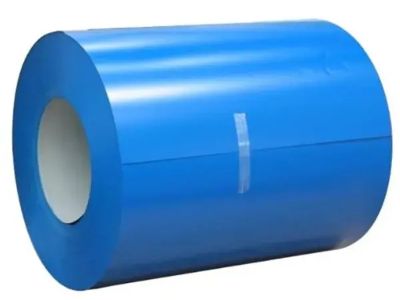
Understanding the role of surface finish in GI coil applications is essential for manufacturers and buyers alike. The surface finish can significantly impact the performance, durability, and aesthetic appeal of galvanized steel coils. Buyers often seek clarity on how different finishes affect their applications, as well as the associated costs and quality considerations. This article will explore how to choose the right surface finish for your gi coil needs, the cost factors involved, how to source quality products, and the importance of surface finish in overall performance.
How to Choose the Right Surface Finish for Your GI Coil Needs?
Selecting the appropriate surface finish for GI coils involves understanding the application environment and performance requirements. There are several common finishes, including hot-dip galvanization, electro-galvanization, and various paint coatings. Each finish offers different levels of corrosion resistance, adhesion properties, and aesthetic qualities.
Application Suitability: Determine where and how the coils will be used. For instance, if the colour coated coil will be exposed to harsh weather conditions, a thicker layer of galvanization may be necessary to enhance durability. Conversely, a lighter finish may suffice for indoor applications.
Surface Preparation: The surface finish process often begins with surface preparation, which is crucial for ensuring proper adhesion of the finish. This may involve cleaning, polishing, or treating the steel to remove contaminants. For example, a clean surface will improve the longevity of painted finishes.
Customization: Depending on your application, custom finishes may be required. Discussing your specific needs with your supplier can help ensure that you receive a product that meets both aesthetic and functional demands.
Performance Requirements: Evaluate the mechanical properties needed for your application, such as tensile strength or flexibility. The surface finish can influence these characteristics, impacting how the coils behave under stress.
By considering these factors, buyers can make informed decisions that align with their project specifications.
Cost Factors of Surface Finishes in GI Coil Manufacturing
The cost of surface finishes in GI coil manufacturing can vary widely based on several factors. Understanding these elements can help buyers budget effectively and make informed purchasing decisions.
Type of Finish: Different finishes come with varying price tags. Hot-dip galvanization is generally more expensive than electro-galvanization due to the additional processing involved. Custom finishes, including specialized coatings, can also elevate costs.
Volume and MOQ: The minimum order quantity (MOQ) can affect pricing. Larger orders may reduce the per-unit cost, making it worthwhile to consider bulk purchases when possible.
Surface Preparation: The extent of surface preparation required can influence the final price. More intricate preparations that enhance adhesion or aesthetic quality may lead to higher costs.
Market Demand: Fluctuations in raw material prices and market demand can also impact costs. It’s wise to stay informed about market trends to anticipate pricing changes.
Supplier Capabilities: The manufacturer's capabilities and experience can also affect pricing. Suppliers with advanced technology and efficient processes may offer better value for high-quality finishes.
By taking these cost factors into account, buyers can better navigate the financial aspects of acquiring galvanized sheet coil with the desired surface finishes.
Sourcing Quality GI Coils with Proper Finishing
When sourcing GI coils, ensuring quality and the right finishing is crucial. Here are key steps to help buyers find reliable suppliers:
Supplier Evaluation: Research potential suppliers thoroughly. Look for manufacturers with a proven track record in producing high-quality GI coils. Certifications, such as quality management systems, can also indicate a commitment to excellence.
Material Specifications: Request detailed information about the materials used, including the type of steel and any additives. Understanding the composition can help ascertain the suitability of the coils for specific applications.
Quality Control Processes: Inquire about the quality control measures in place during production. This includes inspections for surface finish consistency, adhesion tests, and corrosion resistance evaluations.
Samples and Testing: Before placing a large order, request samples and conduct tests under actual operating conditions. This step is crucial for assessing whether the finish meets your performance expectations.
Feedback and References: Seek feedback from other buyers or industry peers who have sourced from the supplier. References can provide insight into product quality and customer service.
By following these sourcing practices, buyers can ensure they receive GI coils that meet their specific requirements and maintain high-quality standards.
The Role of Surface Finish
The surface finish of GI coils serves multiple critical functions that directly affect their performance and lifespan. Here are some key roles that surface finish plays:
Corrosion Resistance: The primary purpose of surface finishing is to provide a protective layer that prevents corrosion. Hot-dip galvanization, for instance, offers robust protection against environmental factors, extending the lifecycle of the coils.
Aesthetic Appeal: Surface finishes not only protect but also enhance the visual aspects of the coils. A well-finished coil can improve the overall appearance of the final product, making it more appealing for commercial applications.
Adhesion Properties: The surface finish can affect how well other materials, such as paint or adhesives, bond to the surface. Proper finishing ensures that these materials adhere effectively, which is crucial for applications where additional coatings are used.
Surface Smoothness and Texture: The texture of the surface finish can influence how the coils interact with other components in an assembly. For example, a smoother surface may reduce friction in mechanical applications, while a textured surface might provide better grip.
Understanding these roles helps buyers appreciate the significance of surface finishes beyond aesthetics, driving home the importance of quality in production.
Why Surface Finish Matters for Performance?
The performance of GI coils is intricately linked to their surface finish. Here’s why buyers should prioritize surface finish in their decision-making process:
Durability and Longevity: Coils with high-quality surface finishes tend to have longer lifespans. A robust finish can withstand environmental stresses such as moisture, chemicals, and mechanical wear, ensuring that the coils perform effectively over time.
Cost of Ownership: While a higher-quality surface finish may come with a larger upfront investment, it often results in lower maintenance costs and fewer replacements over time. This long-term economic benefit can be significant, especially in large-scale applications.
Application Performance: The specific requirements of the application often dictate the necessary surface finish. For instance, in automotive applications, a smooth finish may be essential for aerodynamics and overall vehicle performance.
Compliance and Standards: Many industries have strict regulations regarding surface finishes, particularly in sectors such as construction and automotive. Ensuring compliance with these standards can prevent costly penalties and enhance product acceptability in the market.
By recognizing the critical role of surface finish in performance, buyers can make informed decisions that align with their operational goals and industry standards.