 EN
 AR
 BG
 HR
 CS
 DA
 NL
 FI
 FR
 DE
 EL
 HI
 IT
 JA
 KO
 NO
 PL
 PT
 RO
 RU
 ES
 SV
 TL
 ID
 UK
 VI
 SQ
 HU
 TH
 TR
 BE
 AZ
 LO
 MN
 MY
 KK
 SU
 UZ
 KY

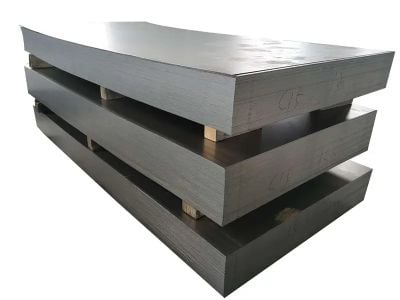
Galvanized tubing is a widely used product in various industries, known for its corrosion resistance and durability due to a protective zinc coating. Understanding the quality standards that apply to galvanized tubing is essential for purchasing managers, engineers, and distributors. This article will explore the relevant quality standards, provide insights into selecting the right supplier, and detail the specifications that should be considered when sourcing galvanized tubing. Additionally, we will discuss cost factors and best practices for installation, ensuring compliance and optimal performance.
What Quality Standards Should Buyers Know for Galvanized Tubing?
Quality standards for galvanized tubing are vital for ensuring the product meets the necessary performance and safety requirements for its intended applications. Common standards include ASTM A53, ASTM A500, and ASTM A123.
ASTM A53 specifies the requirements for seamless and welded black and hot-dipped galvanized steel pipe for mechanical and pressure applications. It covers various grades, allowing for versatility in usage.
ASTM A500 pertains to cold-formed welded and seamless steel structural 1.5 stainless tubing, which is critical in structural applications.
ASTM A123 outlines the specifications for zinc coating on iron and steel products, ensuring adequate protection against corrosion.
These standards not only dictate the material properties and dimensions but also set parameters for testing and inspection, ensuring that the tubing can withstand operational stresses and environmental factors. Buyers should verify that their suppliers comply with these standards and have the necessary certifications to support their quality claims.
Choosing the Right Supplier for High-Quality Galvanized Tubing
Selecting a reliable supplier is crucial for obtaining high-quality galvanized tubing. Buyers should consider several factors when evaluating potential suppliers:
Manufacturing Capability: Assess whether the supplier has the necessary equipment and processes to produce high-quality products. Advanced equipment, like precision cutting and bending machines, ensures uniformity and adherence to specifications.
Quality Control Processes: A supplier should have a robust quality control system in place, including regular inspections and testing throughout the manufacturing process. This can include dimensional checks, coating thickness measurements, and tensile strength tests.
Experience and Reputation: Look for suppliers with a proven track record in the industry. Established manufacturers like Shandong Jiate Steel Co., Ltd. have the experience to understand and meet diverse customer requirements, offering products backed by industry knowledge.
Customization Capabilities: Depending on the application, buyers may need customized solutions regarding dimensions, coating thickness, or additional treatments. Ensure that the supplier can accommodate specific requests.
Customer Support: A responsive customer service team can assist with inquiries, provide technical support, and address any issues that may arise during the purchasing process.
Specifications to Consider When Sourcing Galvanized Tubing
When sourcing galvanized tubing, several key specifications must be confirmed to ensure the product meets the intended application requirements:
Dimensions: The outer diameter (OD) and wall thickness are critical for compatibility with existing systems and structural integrity. Buyers should specify these dimensions based on industry standards or project needs.
Coating Thickness: The thickness of the zinc coating affects corrosion resistance. Standard coating weights are defined in ASTM A123, and buyers should confirm that the supplier meets these specifications to ensure longevity in corrosive environments.
Chemical Composition: The steel grade and its chemical composition can significantly impact the 304 stainless exhaust tubing performance. Buyers should verify that the steel meets the necessary standards to ensure it can withstand the application environment.
Mechanical Properties: Tensile strength, yield strength, and elongation are important factors that determine how the tubing will perform under load. These properties should be aligned with the intended use to prevent failures.
Finish and Appearance: The surface finish can be important for aesthetic reasons or to meet specific application standards. Buyers should discuss any requirements regarding surface quality with their supplier.
Cost Factors Affecting Quality Standards in Galvanized Tubing
Several cost factors can influence the pricing of galvanized tubing, which often correlates with the quality standards of the product:
Material Costs: The price of raw materials, including steel and zinc, can fluctuate based on market conditions. High-quality steel may come at a premium but will provide better performance and longevity.
Production Processes: Advanced manufacturing techniques and equipment can increase production costs. However, investing in quality processes may reduce long-term costs associated with repairs and replacements.
Customization Requests: Any alterations to standard products, such as specific dimensions or additional coatings, can increase costs. Buyers should assess whether the benefits of customization justify the additional expense.
Testing and Certification: Comprehensive quality testing and certifications can add to the initial cost but are essential for ensuring compliance with industry standards. Buyers should weigh the importance of these certifications against potential risks in their applications.
Installation Best Practices for Galvanized Tubing Compliance
Proper installation of galvanized tubing is crucial for ensuring compliance with quality standards and maximizing the product's lifespan. Here are some best practices to consider:
Surface Preparation: Before installation, inspect the tubing for any damage to the zinc coating. If any areas are scratched or compromised, consider applying touch-up galvanizing to maintain corrosion resistance.
Correct Handling: Tubing should be handled carefully to prevent dents and scratches, which can undermine the protective coating. Use appropriate lifting equipment and techniques during transportation and installation.
Proper Support: Ensure that the polished stainless steel tubing is adequately supported during installation. This prevents stress concentrations that could lead to failure under load.
Follow Manufacturer Guidelines: Adhere to the installation guidelines provided by the manufacturer. These may include specific recommendations for welding, cutting, and joining, which can influence the integrity of the product.
Regular Inspections: After installation, conduct periodic inspections to check for signs of corrosion or structural failure. Early detection can help mitigate issues and extend the life of the tubing.
By considering these factors and best practices, buyers can make informed decisions regarding galvanized tubing procurement and installation, ensuring compliance with quality standards and optimal performance in their applications.
Table of Contents
- What Quality Standards Should Buyers Know for Galvanized Tubing?
- Choosing the Right Supplier for High-Quality Galvanized Tubing
- Specifications to Consider When Sourcing Galvanized Tubing
- Cost Factors Affecting Quality Standards in Galvanized Tubing
- Installation Best Practices for Galvanized Tubing Compliance