 EN
 AR
 BG
 HR
 CS
 DA
 NL
 FI
 FR
 DE
 EL
 HI
 IT
 JA
 KO
 NO
 PL
 PT
 RO
 RU
 ES
 SV
 TL
 ID
 UK
 VI
 SQ
 HU
 TH
 TR
 BE
 AZ
 LO
 MN
 MY
 KK
 SU
 UZ
 KY

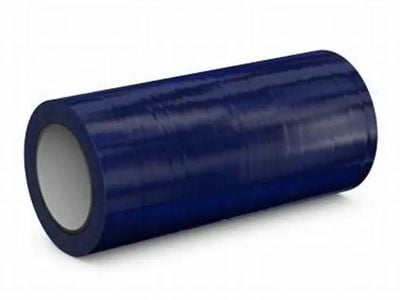
GI coil, or galvanized iron coil, is a versatile material extensively used in large-scale metal fabrication. Its unique properties make it suitable for various applications in industries such as construction, automotive, and manufacturing. Buyers concerned with durability, corrosion resistance, and cost-effectiveness often turn to GI coil for their projects. This article will explore why coil is favored in large-scale metal fabrication, providing insights into evaluating its quality, installation challenges, supplier reliability, comparisons with other materials, and tips for bulk purchasing.
How to Evaluate the Quality of GI Coil for Your Projects?
When assessing the quality of GI coil, several key specifications must be considered. First, check the zinc coating thickness, typically measured in grams per square meter (g/m²). A thicker coating provides better corrosion resistance, which is crucial for applications exposed to moisture or harsh environments. For example, a coil with a zinc coating of at least 275 g/m² is generally recommended for outdoor applications. Next, look for the coil's tensile strength, which affects its workability and durability. A tensile strength of 340-550 MPa is common for coil sheet, ensuring it can withstand the mechanical stresses encountered during fabrication. Buyers should also consider the surface finish quality; smooth finishes are ideal for painting and coating, while rough finishes may require additional processing. Lastly, verify compliance with relevant standards, such as ASTM A653 for galvanized steel. Sample testing can be beneficial obtaining samples for physical inspection and testing can help confirm that the product meets your specific requirements before committing to a bulk order.
Common Installation Challenges with GI Coil and Their Solutions
Installing GI coil can present various challenges, particularly in large-scale projects. One common issue is the coil's tendency to warp or distort during cutting and forming processes. This can be mitigated by using proper tooling and techniques, such as ensuring that cutting equipment is sharp and well-calibrated, which helps maintain dimensional accuracy. Another challenge is ensuring a secure and watertight seal during installation, especially for roofing or siding applications. Utilizing compatible fasteners and sealants designed for use with galvanized materials is essential to prevent corrosion at connection points. Additionally, it's important to allow for thermal expansion, as Gi coil galvanized steel can expand and contract with temperature changes. Installing with sufficient spacing can help accommodate this movement. Lastly, handling and transporting GI coil requires care to avoid scratches or abrasions that can compromise the zinc coating. Implementing a proper handling protocol, including using protective wraps and careful lifting techniques, can reduce damage risk.
Where to Find Reliable Suppliers of GI Coil for Bulk Orders?
Finding reliable suppliers for GI coil is crucial for ensuring consistent quality and supply. Start by researching manufacturers with a solid reputation in the industry. Look for companies that have been in business for several years and specialize in steel production, like Shandong Jiate Steel Co., Ltd., known for its comprehensive steel processing capabilities. Attend industry trade shows and conferences where you can meet suppliers in person and discuss your specific needs. Online B2B marketplaces can also be valuable resources, but always verify supplier credentials and read reviews from other customers.
Requesting samples before placing a bulk order is a practical approach. This allows you to assess the quality of the coil firsthand, ensuring it meets your specifications. Additionally, discussing your requirements directly with suppliers can lead to tailored solutions and potential cost savings through negotiated pricing for larger orders.
Comparing GI Coil with Other Materials for Industrial Applications
When comparing GI coil with other materials, such as stainless steel and aluminum, several factors come into play. GI coil is often more cost-effective than stainless steel, making it an attractive option for budget-sensitive projects. However, while GI coil offers excellent corrosion resistance due to its zinc coating, it may not provide the same level of protection as stainless steel in highly corrosive environments. Aluminum, on the other hand, is lighter and more resistant to corrosion but is typically more expensive than GI coil. Additionally, aluminum may require different fabrication techniques due to its unique properties, which can influence overall project costs. Ultimately, the choice between these materials should be driven by the specific application requirements. For instance, if weight is a critical factor, aluminum may be preferable, whereas GI coil is often chosen for budget-conscious projects where moderate corrosion resistance is sufficient.
Ensuring Supplier Reliability When Purchasing GI Coil in Bulk
To ensure supplier reliability when purchasing GI coil in bulk, establish clear criteria for evaluation. Start by verifying the supplier's certifications and quality control processes. A reputable supplier should have established quality management systems, such as ISO 9001, indicating their commitment to maintaining high production standards. Evaluate the supplier's production capabilities, including their ability to meet your required specifications and lead times. Inquire about their production equipment and technology; advanced machinery can enhance precision and consistency in manufacturing. Lastly, inspect the supplier's track record with previous clients. Request references and case studies to assess their reliability in delivering quality products on time. Frequent communication and a clear understanding of your needs will also help foster a strong supplier relationship, ensuring that your bulk orders are fulfilled efficiently and to your satisfaction. By focusing on these aspects, you can make informed decisions regarding GI coil procurement, ultimately leading to successful project outcomes.
Table of Contents
- How to Evaluate the Quality of GI Coil for Your Projects?
- Common Installation Challenges with GI Coil and Their Solutions
- Where to Find Reliable Suppliers of GI Coil for Bulk Orders?
- Comparing GI Coil with Other Materials for Industrial Applications
- Ensuring Supplier Reliability When Purchasing GI Coil in Bulk