 EN
EN
 AR
AR
 BG
BG
 HR
HR
 CS
CS
 DA
DA
 NL
NL
 FI
FI
 FR
FR
 DE
DE
 EL
EL
 HI
HI
 IT
IT
 JA
JA
 KO
KO
 NO
NO
 PL
PL
 PT
PT
 RO
RO
 RU
RU
 ES
ES
 SV
SV
 TL
TL
 ID
ID
 UK
UK
 VI
VI
 SQ
SQ
 HU
HU
 TH
TH
 TR
TR
 BE
BE
 AZ
AZ
 LO
LO
 MN
MN
 MY
MY
 KK
KK
 SU
SU
 UZ
UZ
 KY
KY

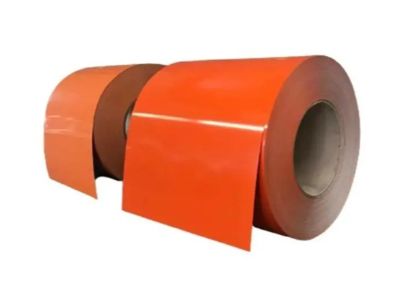
PPGI steel, or pre-painted galvanized iron, is a versatile material known for its aesthetic appeal and durability. Understanding how PPGI steel handles different outdoor exposure conditions is crucial for B2B buyers, especially those in manufacturing, construction, and other outdoor applications. This article will explore the performance of ppgi sheet in various environments, its suitability for challenging weather conditions, and key considerations for buyers looking to incorporate this material into their projects. By reading this, purchasing managers and engineers will gain valuable insights into product specifications, application suitability, and cost factors associated with PPGI steel.
How PPGI Steel Performs in Diverse Outdoor Environments
PPGI steel is renowned for its ability to withstand diverse outdoor exposure conditions due to its protective coating and inherent material properties. The galvanized layer, usually made of zinc, provides corrosion resistance, while the paint layer enhances aesthetic appeal and UV resistance.
Understanding the specific outdoor conditions is crucial for determining the suitability of PPGI steel. For example, in coastal environments with high humidity and saline air, the zinc coating's thickness can significantly influence corrosion resistance. Buyers should consider a thicker galvanization standard, such as Z275, to ensure durability against saltwater corrosion. In arid environments, the paint layer's adhesion and UV stability become critical, as prolonged exposure to intense sunlight can degrade lower-quality coatings.
Additionally, PPGI steel can be formulated to meet different climate challenges. For instance, incorporating special polymers can improve the paint's UV resistance, making it suitable for regions with extreme sunlight. Buyers should inquire about the specific coatings used and their performance ratings to ensure they meet their environmental challenges.
Choosing PPGI Steel for Challenging Weather Conditions
When selecting PPGI steel for projects in challenging weather conditions, several factors come into play. Buyers must evaluate the coating system, which consists of the primer, paint, and the galvanized layer. Each component plays a role in the steel's overall performance.
For regions prone to heavy rainfall or snow, the drainage capability of the PPGI steel structure should be assessed. Proper design can prevent water pooling, which can lead to premature corrosion. Furthermore, during the selection process, buyers should consider the manufacturer's recommendations on material thickness and coating types suitable for specific climates.
It's also essential to ensure that the PPGI steel complies with relevant standards and certifications that guarantee its performance in extreme conditions. This includes testing for impact resistance, flexural strength, and UV exposure. Buyers should request this information during the quotation process to ensure they choose a product that meets their performance expectations.
PPGI Steel for Outdoor Applications
PPGI steel is widely used in outdoor applications such as roofing, wall cladding, and fencing. Its lightweight nature and ease of installation make it a preferred choice among contractors and builders. However, the application type dictates the specific ppgi coil sheet specifications required.
For roofing applications, factors like the slope, potential snowfall load, and wind uplift should be considered. A thicker gauge of PPGI steel may be necessary for roofs in areas with heavy snow to ensure structural integrity. Moreover, certain paint types may be better suited for roofing to provide higher thermal reflectivity, improving energy efficiency.
In the case of wall cladding, aesthetic considerations often take precedence. Buyers should evaluate the color retention and gloss levels of the paint used. Outdoor exposure can lead to fading, so selecting high-quality paints with excellent color stability is recommended. Additionally, understanding the building's environmental exposure will help determine the necessary thickness and coating type.
Evaluating Cost Factors for PPGI Steel in Wholesale Orders
Cost is a crucial consideration when purchasing PPGI steel, especially for wholesale orders. Several factors influence pricing, including material thickness, coating types, and order volume. Generally, bulk orders may benefit from reduced per-unit costs, but buyers should thoroughly evaluate the specifications to ensure they are not compromising on quality.
Another significant cost factor is logistics. The delivery location can impact shipping fees, especially if the destination is remote or requires special handling. Buyers should factor in these costs when calculating the overall budget.
Additionally, buyers should inquire about the Minimum Order Quantity (MOQ). Manufacturers like Shandong Jiate Steel Co., Ltd. may have specific MOQs based on the product type. Understanding these requirements can help buyers assess their purchasing strategy and manage inventory effectively.
Common Challenges and Solutions with PPGI Steel Outdoors
While PPGI steel offers numerous advantages for outdoor applications, some challenges may arise. One common issue is corrosion, which can occur if the protective coating is damaged or inadequate for the environmental conditions. To mitigate this risk, buyers should ensure that proper handling and installation practices are followed to prevent scratches or abrasions during transport and installation.
Another challenge is color fading due to prolonged sun exposure. Buyers should select high-quality coatings specifically designed for outdoor durability. Requesting samples for testing under actual conditions can provide insight into how the material will perform over time.
Lastly, buyers should be aware of the potential for thermal expansion and contraction, which can lead to warping or buckling if not properly accounted for in the design. Employing appropriate fastening methods and allowing for movement can help prevent these issues.
understanding how PPGI steel handles different outdoor exposure conditions is essential for making informed purchasing decisions. By considering the factors discussed, such as environmental challenges, application suitability, cost factors, and common challenges, B2B buyers can select the right ppgi colour coated sheet products for their projects, ensuring long-term performance and satisfaction.