 EN
 AR
 BG
 HR
 CS
 DA
 NL
 FI
 FR
 DE
 EL
 HI
 IT
 JA
 KO
 NO
 PL
 PT
 RO
 RU
 ES
 SV
 TL
 ID
 UK
 VI
 SQ
 HU
 TH
 TR
 BE
 AZ
 LO
 MN
 MY
 KK
 SU
 UZ
 KY

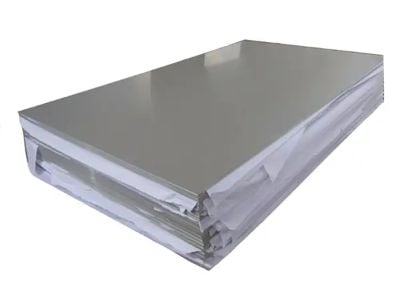
Understanding the various steel grades available for GI (Galvanized Iron) steel production is crucial for professionals in manufacturing and construction. This knowledge not only impacts the performance and durability of the end products but also influences cost-efficiency and compliance with industry standards. We will explore the essential steel grades for GI steel production, their quality and performance characteristics, and practical considerations for selecting the most suitable grade for your applications
What Steel Grades Are Essential for GI Steel Production
GI steel production primarily utilizes specific grades of carbon steel, which may include grades such as SPCC (Cold Rolled Carbon Steel), DX51D, and SGCC
SPCC: This is a common cold-rolled steel grade, recognized for its excellent formability and surface quality. It’s often used in applications that require a smooth finish and good weldability
DX51D: This galvanizing grade is designed for general applications. It offers a balanced combination of strength and ductility, making it ideal for various structural applications
SGCC: This hot-dip galvanized steel grade provides enhanced corrosion resistance due to its thicker zinc coating. It's commonly used in outdoor and exposed environments
Selecting the right steel grade is crucial as it affects the overall performance, durability, and suitability for different applications, from automotive parts to building structures
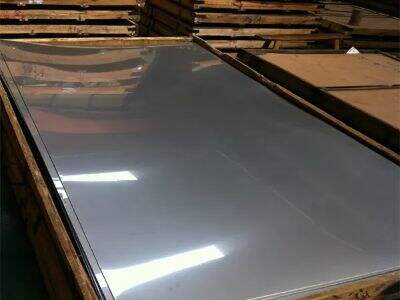
Quality and Performance in GI Steel
The quality of GI steel is determined by several factors, including the steel grade, the manufacturing process, and the quality control measures implemented during production
When evaluating steel grades, consider the following performance parameters
Tensile Strength: Essential for determining how much stress the material can withstand without failing. Higher tensile strength indicates better performance in load-bearing applications
Ductility: This property allows the steel to deform under stress without breaking. It is important for applications requiring bending or shaping
Corrosion Resistance: Particularly critical for GI steel, as the galvanization process provides a protective zinc coating, enhancing the steel's longevity in corrosive environments
Shandong Jiate Steel Co., Ltd. emphasizes rigorous quality control processes to ensure that each steel grade meets industry specifications and customer requirements, thus guaranteeing the necessary performance levels for varied applications
Evaluating Steel Grades for Cost Efficiency
Cost efficiency in steel procurement is influenced by several factors beyond just the initial purchase price
Material Costs: Different steel grades come with varying costs based on their composition and properties. For example, higher-grade steels with enhanced performance characteristics may have a higher upfront cost but can save money in the long term due to reduced maintenance and longer life cycles
Processing Costs: The ease of processing a particular steel grade can also affect overall costs. Grades that are easier to work with may reduce machining and labor costs during production
Performance Longevity: Investing in higher-quality steel grades can lead to fewer replacements and repairs over time, contributing to greater cost savings in the lifecycle of the product
When evaluating potential suppliers, it is beneficial to request detailed quotations that break down material, processing, and potential long-term savings associated with different steel grades
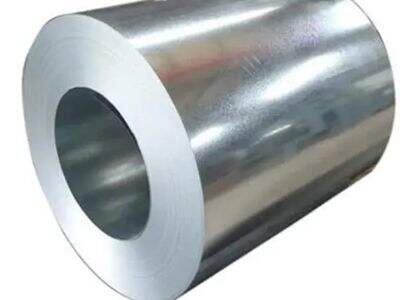
Common Issues with Steel Grades and Their Effective Solutions
Selecting the wrong steel grade can lead to various challenges during production and application. Common issues include
Inadequate Strength: Using a lower-grade steel in a high-stress application can lead to failures. To address this, always conduct a thorough assessment of the mechanical requirements before finalizing a steel grade
Weldability Problems: Certain steel grades may present challenges when welding, leading to weaker joints. Understanding the specific welding characteristics of each grade helps in making informed decisions
Corrosion and Wear: Inappropriate steel grades may not offer sufficient corrosion resistance for specific environments. It is essential to consider the operational environment and select a grade that provides adequate protection
To mitigate these issues, it is advisable to conduct sample testing under actual operating conditions before committing to mass production. This enables buyers to confirm that the selected grade meets all performance criteria
Selecting the Best Steel Grade for Use
Choosing the appropriate steel grade for GI steel production involves several critical considerations
Application Requirements: Assess the specific needs of your project, including load-bearing capacities, exposure to elements, and aesthetic requirements. This will guide the selection of grades that meet these criteria
Manufacturing Capabilities: Consider the capabilities of your production processes. For example, if your processes require extensive bending or shaping, prioritize grades with high ductility
Quality Standards: Ensure that the selected steel grade complies with relevant industry standards and certifications. This not only guarantees product quality but also aids in maintaining compliance with regulatory requirements
Supplier Expertise: Partnering with a reputable manufacturer like Shandong Jiate Steel Co., Ltd. can provide valuable insights into material selection, processing capabilities, and quality assurance. Their manufacturing expertise can help you navigate the complexities of steel grade selection effectively
In summary, understanding the specific steel grades available for GI steel production and their implications on quality, cost, and performance is vital for making informed purchasing decisions. By considering application requirements, manufacturing capabilities, and potential challenges, buyers can ensure they select the best steel grade for their needs