 EN
EN
 AR
AR
 BG
BG
 HR
HR
 CS
CS
 DA
DA
 NL
NL
 FI
FI
 FR
FR
 DE
DE
 EL
EL
 HI
HI
 IT
IT
 JA
JA
 KO
KO
 NO
NO
 PL
PL
 PT
PT
 RO
RO
 RU
RU
 ES
ES
 SV
SV
 TL
TL
 ID
ID
 UK
UK
 VI
VI
 SQ
SQ
 HU
HU
 TH
TH
 TR
TR
 BE
BE
 AZ
AZ
 LO
LO
 MN
MN
 MY
MY
 KK
KK
 SU
SU
 UZ
UZ
 KY
KY

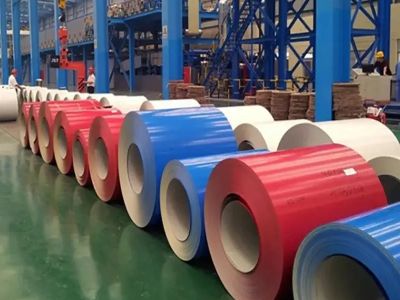
Understanding the role of paint thickness in PPGI (Pre-Painted Galvanized Iron) steel performance is crucial for ensuring durability and functionality in various applications. For B2B buyers, including purchasing managers and engineers, concerns often center around the protective qualities of the paint, its impact on the overall lifespan of the steel, and how it affects production processes. This article will delve into the significance of paint thickness, its effects on performance, and how to select the right specifications based on application needs.
Understanding the Importance of Paint Thickness in PPGI Steel
Paint thickness in PPGI steel is a critical factor that impacts both aesthetic and functional properties. A thicker paint layer generally offers better protection against environmental factors such as moisture, corrosion, and UV radiation. This is particularly important in outdoor applications where exposure to harsh weather conditions can lead to rapid deterioration of unprotected Ppgi sheet. The thickness of the paint also influences the adhesion of the coating to the steel substrate. Insufficient thickness can result in peeling or flaking, while excessive thickness may lead to cracking due to thermal expansion and contraction. Understanding the balance is essential for achieving optimal performance and longevity of PPGI steel products.
How Paint Thickness Affects PPGI Steel Performance and Durability?
The durability of PPGI steel is significantly affected by the paint thickness applied during the manufacturing process. Thicker coatings provide enhanced resistance to scratches, chemicals, and corrosion, making them suitable for industrial and commercial environments. Conversely, thinner coatings may not offer adequate protection, potentially leading to premature failure of the product. Moreover, the paint thickness can influence the thermal performance of the steel. Thicker coatings may insulate the metal, reducing heat transfer and aiding in temperature control for certain applications. However, it is essential for manufacturers to assess the specific needs of the application to determine the ideal paint thickness, as this can vary depending on factors such as exposure conditions and intended use.
Choosing the Right Paint Thickness for Your PPGI Steel Needs
Selecting the appropriate paint thickness for PPGI steel involves evaluating several critical factors. First, consider the intended application outdoor applications generally require thicker coatings to withstand environmental stressors, while indoor applications may allow for thinner layers. Secondly, assess the environmental conditions the steel will face. Areas with high humidity, saltwater exposure, or extreme temperatures may necessitate thicker protective layers to prevent corrosion and maintain structural integrity. Lastly, it is advisable to consult with manufacturers, like Shandong Jiate Steel Co., Ltd., who can provide insights based on their production capabilities and previous experience. They can recommend suitable thickness levels based on industry standards and specific client needs, ensuring that the final product meets performance expectations.
Comparing Paint Thickness Options for Optimal PPGI Steel Quality
When evaluating different paint thickness options for PPGI steel, it is useful to consider industry standards and guidelines. Common thickness ranges for PPGI coatings typically fall between 15 to 30 microns, depending on the application. For example, a 25-micron coating may be sufficient for roofing materials, while a 30-micron coating might be required for applications facing harsh environmental conditions. Additionally, buyers should assess the type of paint used. Different painting processes, such as electrostatic spraying or roller coating, can yield varying thicknesses and finishes. Each method has its advantages and drawbacks, influencing not only the final appearance but also the protective performance of the Ppgi coil sheet. It is crucial to compare these options against the expected service life of the product and the cost implications of thicker versus thinner coatings. While thicker coatings may incur higher material costs, they can provide significant savings in maintenance and replacement over time.
Common Issues with Paint Thickness in PPGI Steel Applications
Several challenges can arise concerning paint thickness in PPGI steel applications. One common issue is the inconsistency in coating thickness, which can result from variations in the manufacturing process. Inconsistent coatings may lead to areas of vulnerability where corrosion can initiate, undermining the overall durability of the product. Another issue is the potential for defects caused by improper curing or drying conditions. If the paint is not adequately cured, it may not bond properly to the steel, leading to chipping and peeling. Regular quality control checks during production can help mitigate these risks. Lastly, when buyers are evaluating samples or requesting quotes, it is essential to specify desired paint thickness and confirm that the manufacturer can meet these requirements consistently. This proactive approach helps ensure that the final product meets quality standards and performs reliably in its intended application. Understanding the role of paint thickness in Ppgi colour coated sheet is vital for making informed purchasing decisions. It impacts performance, durability, and overall application suitability, making it a key consideration for any B2B buyer in the manufacturing and industrial sectors. By evaluating the factors discussed, buyers can better navigate their options and select the right specifications to meet their needs.
Table of Contents
- Understanding the Importance of Paint Thickness in PPGI Steel
- How Paint Thickness Affects PPGI Steel Performance and Durability?
- Choosing the Right Paint Thickness for Your PPGI Steel Needs
- Comparing Paint Thickness Options for Optimal PPGI Steel Quality
- Common Issues with Paint Thickness in PPGI Steel Applications