
 EN
 AR
 BG
 HR
 CS
 DA
 NL
 FI
 FR
 DE
 EL
 HI
 IT
 JA
 KO
 NO
 PL
 PT
 RO
 RU
 ES
 SV
 TL
 ID
 UK
 VI
 SQ
 HU
 TH
 TR
 BE
 AZ
 LO
 MN
 MY
 KK
 SU
 UZ
 KY

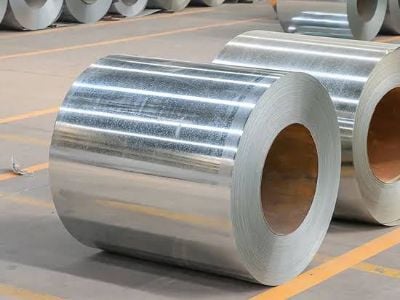
Understanding the various factors that determine the thickness range of galvanized iron (GI) coil is crucial for making informed purchasing decisions. This article will delve into the key aspects that influence GI coil thickness, including specifications, quality, and performance implications. By understanding these elements, purchasing managers and engineers can ensure they select the right product for their applications while minimizing potential issues during manufacturing and installation
What Factors Influence the Thickness Range of GI Coil
The thickness range of Gi coil is influenced by several factors, including the intended application, manufacturing capabilities, and industry standards. Firstly, the application plays a significant role; for instance, coils used in construction may require different thicknesses compared to those used in automotive manufacturing
Moreover, manufacturers like Shandong Jiate Steel Co., Ltd. have specific production capabilities that dictate the range of thicknesses they can offer. Their advanced processing equipment allows for precise control over thickness, which can vary between 0.3 mm to 3.0 mm or more, depending on customer specifications
Industry standards also influence thickness requirements. Compliance with regulations such as ASTM or ISO standards ensures that the coils meet necessary safety and performance criteria. Buyers should communicate their specific requirements clearly, as this will help manufacturers determine the appropriate thickness for their needs
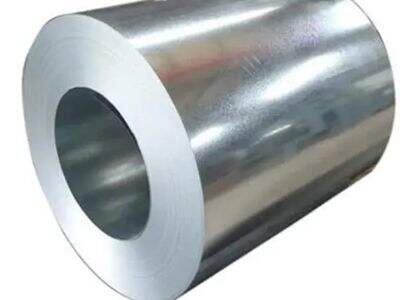
Thickness Options for GI Coil
GI coil thickness options typically range from 0.3 mm to 3.0 mm, with variations depending on the application and manufacturer capabilities. Here are some common thickness options
Light Gauge (0.3 mm - 0.7 mm): Often used for household appliances, decorative panels, and light construction applications
Medium Gauge (0.7 mm - 1.2 mm): Suitable for roofing, siding, and some automotive parts
Heavy Gauge (1.2 mm and above): Commonly used in industrial applications, heavy machinery, and structural components
When requesting a quotation, it’s essential to specify the required thickness along with the application details. This information helps the manufacturer provide the most suitable options and pricing
Thickness and Quality of GI Coil Explained
The thickness of a GI coil directly correlates with its quality and performance characteristics. Thicker coils generally provide greater durability and resistance to deformation under load. For example, in construction applications, thicker coils can withstand higher wind loads and stresses, making them more suitable for structural uses
Quality control processes are critical in manufacturing GI coils. At Shandong Jiate Steel Co., Ltd., strict inspection measures are implemented throughout production to ensure that the specified thickness is maintained and that the coils meet industry standards. A common practice is to conduct dimensional checks and tensile strength tests to confirm that the finished product meets the established specifications
Buyers should assess the quality of the GI coil by reviewing the manufacturer's quality certifications and inspection reports. This can help prevent potential issues during installation or use, as variations in thickness can lead to problems such as warping or inadequate load-bearing capacity
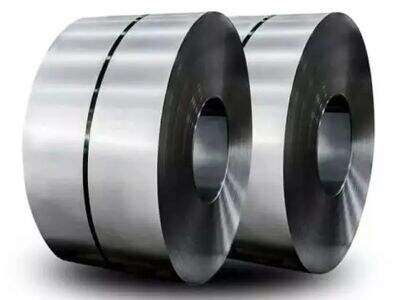
Thickness Impact on Performance
The thickness of GI coil has a significant impact on its performance in various applications. Thicker coils typically offer enhanced mechanical properties, including
Increased Load-Bearing Capacity: Thicker coils can support heavier loads, making them ideal for structural applications
Improved Corrosion Resistance: While galvanized coatings provide protection against rust, a thicker base material can extend the service life of the coil, especially in harsh environments
Better Formability: Thicker materials can be more challenging to bend or form. Understanding the required thickness based on the intended fabrication process is essential for ensuring that the coil can be processed without compromising its integrity
When selecting GI coil, buyers should consider the balance between required thickness and the specific performance characteristics needed for their application. Engaging with the manufacturer about these requirements will lead to better outcomes in terms of product suitability and cost-effectiveness
Common Problems with GI Coil Thickness and Effective Solutions
Variations in GI coil thickness can lead to several common problems that affect performance and usability. Here are a few issues along with effective solutions
Inconsistent Thickness: This can result in weak spots or areas that are more prone to corrosion. To mitigate this, buyers should request sample coils for inspection before placing a mass order. Ensuring that samples meet specified thickness and quality standards is crucial
Improper Fit During Installation: If the coil thickness does not match the specifications of the equipment or structure it is intended for, it may lead to installation challenges. Buyers should communicate precise dimensions and tolerances when placing orders to avoid this issue
Increased Production Costs: Thicker coils may lead to higher material costs and increased processing times. Buyers should work closely with manufacturers to understand how thickness affects pricing and lead times, allowing for better decision-making when it comes to balancing performance and cost
Wastage During Fabrication: Excessive thickness can lead to wastage if the material cannot be effectively used in the intended application. Buyers should assess the required thickness based on the manufacturing process to optimize material usage
By understanding these potential issues and maintaining open communication with suppliers like Shandong Jiate Steel Co., Ltd., buyers can effectively navigate challenges associated with GI coil thickness, ensuring a smoother procurement and production process
Comprehending what determines the thickness range of GI coil is essential for making informed purchasing decisions. By considering factors such as application requirements, manufacturing capabilities, and quality control measures, buyers can ensure they select the appropriate thickness for their specific needs, leading to greater efficiency and effectiveness in their projects