 EN
 AR
 BG
 HR
 CS
 DA
 NL
 FI
 FR
 DE
 EL
 HI
 IT
 JA
 KO
 NO
 PL
 PT
 RO
 RU
 ES
 SV
 TL
 ID
 UK
 VI
 SQ
 HU
 TH
 TR
 BE
 AZ
 LO
 MN
 MY
 KK
 SU
 UZ
 KY

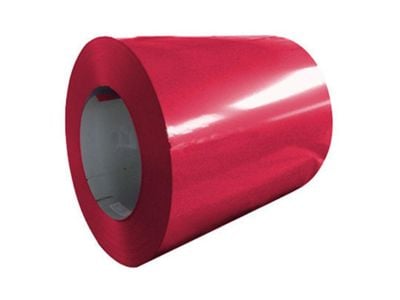
Understanding how coil thickness influences GI steel processing is essential for manufacturers and buyers alike. The thickness of the steel coil can significantly affect product quality, processing efficiency, and suitability for specific applications. This article will explore the implications of coil thickness, addressing common concerns for B2B buyers, such as material selection, processing capabilities, and potential issues related to inadequate thickness choices. By the end, you will gain valuable insights to make informed decisions regarding your project needs.
How Coil Thickness Affects Quality in GI Steel Processing?
Coil thickness plays a pivotal role in determining the overall quality of galvanized iron (GI) steel products. Thicker Gi sheet coil tend to exhibit greater structural integrity, making them suitable for applications requiring higher strength and durability. Conversely, thinner coils may be more susceptible to deformation and damage during processing and handling.
Quality control processes are crucial in ensuring that the coil thickness meets the specified standards. Deviations from the required thickness can lead to issues such as inconsistent surface quality, uneven galvanization, and compromised mechanical properties. For instance, a galvanized coil that is too thin may not withstand the rigorous demands of applications in sectors like construction or automotive manufacturing. Therefore, it is vital for buyers to verify the thickness specifications and assess how they align with their intended use.
Choosing the Right Coil Thickness for Your Project Needs
Selecting the appropriate coil thickness is essential for achieving optimal performance in your projects. Factors to consider include the specific application requirements, load-bearing capacities, and environmental conditions. For example, if the end product will be exposed to high stress or harsh environments, opting for a thicker coil can provide enhanced protection and longevity.
Additionally, buyers should evaluate the compatibility of their processing equipment with the chosen coil thickness. Machinery designed for specific thickness ranges may experience operational inefficiencies or increased wear when processing coils outside those specifications. Therefore, it's advisable to consult with your equipment suppliers and ensure that your manufacturing capabilities align with the coil thickness you intend to use.
Coil Thickness and Its Influence on Processing
The processing of GI steel is directly influenced by coil thickness. Thicker coils can complicate operations such as bending, cutting, and polishing, as they may require more robust machinery and increased processing times. On the other hand, thinner coils can facilitate quicker processing but may demand stricter handling protocols to prevent damage.
Moreover, the choice of thickness can impact the final product's surface finish. For instance, thicker coils may require more intensive polishing to achieve a desired aesthetic quality, while thinner coils might allow for a smoother finish due to their ease of manipulation. Understanding these processing dynamics helps buyers anticipate potential challenges and select the right gi coil thickness that aligns with their production capabilities and quality standards.
Comparing Coil Thickness Options for Optimal Product Performance
When evaluating coil thickness options, it's essential to compare the performance characteristics of each choice. Thicker coils generally offer superior strength and durability, making them ideal for heavy-duty applications. For products that require lightweight characteristics, thinner coils may be more advantageous while still meeting performance requirements.
Buyers should also consider the cost implications of different thickness options. Thicker coils often come at a higher price point due to increased material usage and processing complexity. However, the long-term benefits, such as reduced maintenance and extended product life, may justify the initial investment. It is advisable to conduct a cost-benefit analysis that considers both upfront costs and the anticipated lifecycle of the product.
Common Problems Linked to Inadequate Coil Thickness Choices
Choosing the wrong coil thickness can lead to several common problems, affecting both production efficiency and product performance. One frequent issue is the risk of warping or buckling during processing, which can occur if a coil is too thin for the intended application. This can result in wasted materials, increased rework, and delayed project timelines.
Another concern is the potential for inadequate galvanization. Thinner coils may not receive uniform coating during galvanization, which compromises corrosion resistance and leads to premature failure in service. Buyers should ensure that the specified coil thickness aligns with galvanization standards and processing requirements to prevent such issues.
Additionally, a mismatch between coil thickness and machinery specifications can lead to operational inefficiencies. Equipment designed for specific thickness ranges may struggle with coils that do not meet those criteria, leading to increased downtime and maintenance costs. Therefore, buyers should communicate their requirements clearly and work closely with suppliers to ensure that the chosen coil thickness meets both processing and application needs.
By understanding the implications of coil thickness on GI steel processing, you will be better equipped to make informed purchasing decisions that align with your project goals and operational capabilities.