 EN
 AR
 BG
 HR
 CS
 DA
 NL
 FI
 FR
 DE
 EL
 HI
 IT
 JA
 KO
 NO
 PL
 PT
 RO
 RU
 ES
 SV
 TL
 ID
 UK
 VI
 SQ
 HU
 TH
 TR
 BE
 AZ
 LO
 MN
 MY
 KK
 SU
 UZ
 KY

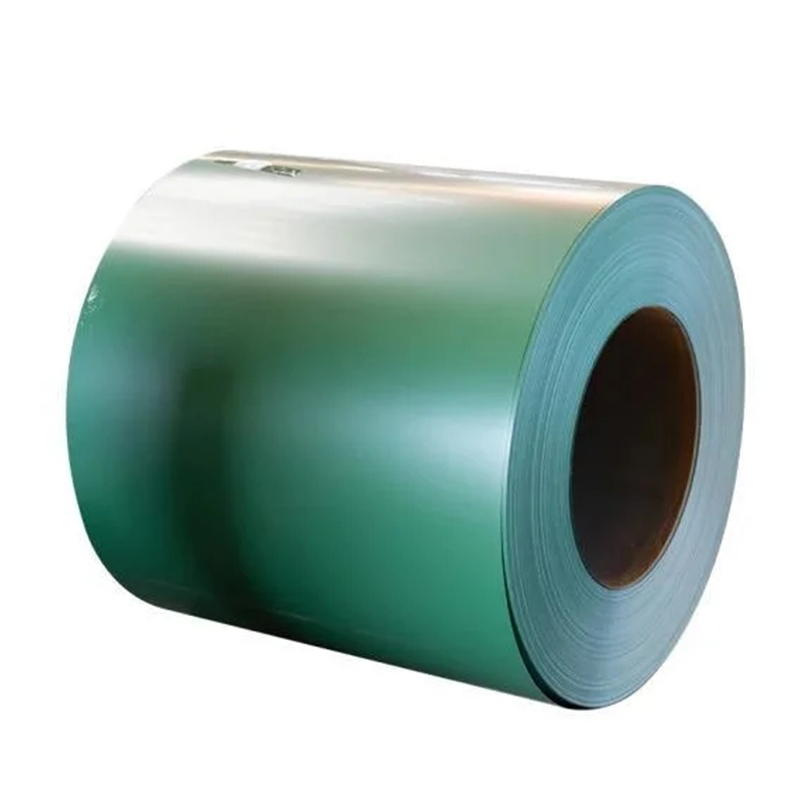
The production process behind reliable GI pipe supplier services involves intricate steps that ensure the quality and durability of galvanized iron pipes. As a purchasing manager or engineer, understanding the nuances of this process can help you make informed decisions when sourcing GI pipes for your projects. This article will provide insights into the production stages, key considerations for bulk orders, and how to navigate common installation challenges, all while emphasizing the benefits of choosing galvanized steel for your applications.
Understanding the Production Process of High-Quality GI Pipes
The production of high-quality galvanized iron PPGI/GI/PPGL pipes begins with selecting the appropriate steel material, typically carbon steel, which is then subjected to a series of manufacturing processes. The first step is the formation of steel sheets into pipe shapes through processes like electric resistance welding or seamless methods.
Once the pipe is formed, it undergoes galvanization, where it is coated with a layer of zinc. This is typically done using hot-dip galvanization, a process that immerses the steel pipe in molten zinc, ensuring a robust protective layer that resists corrosion. The quality of galvanization is crucial; inadequate coating can lead to premature rusting and failure in applications.
Finally, rigorous quality control checks are performed, including dimensional inspections and adherence to relevant industry standards. These steps ensure consistent production quality, which is vital for the reliability of GI pipes in various applications.
What to Consider for Bulk GI Pipe Orders
When placing bulk orders for GI pipes, several factors come into play that can impact both cost and suitability for your projects. First, it's essential to confirm specifications such as the diameter, wall thickness, and length of the pipes required. These specifications directly affect the pipes' performance in different applications, such as plumbing, construction, or industrial use.
Additionally, consider the minimum order quantity (MOQ) set by the supplier, as this can vary significantly among manufacturers. Understanding your project's demand will help you negotiate better pricing and avoid excess inventory.
Lead time is another critical factor. Production and shipping times can vary, so it's advisable to discuss these timelines with the supplier early in the process. Lastly, inquire about customization options, as many suppliers, including Shandong Jiate Steel Co., Ltd., may offer tailored solutions such as specific lengths, diameters, or additional processing services like cutting or polishing.
What Makes Us Stand Out
At Shandong Jiate Steel Co., Ltd., our commitment to quality and customer satisfaction sets us apart in the marketplace. With over a decade of experience in steel production, we leverage advanced manufacturing equipment and a rigorous quality control process to deliver reliable GI pipe. Our expertise in producing various steel products including pipes, plates, bars, and coils ensures that we can meet diverse customer needs.
Our skilled team is dedicated to understanding each client's unique requirements, allowing us to provide customized solutions that enhance project efficiency. Whether it's modifying dimensions or offering specific packaging options, we work closely with clients to deliver products that meet their exact specifications.
Common Installation Challenges with GI Pipes and Solutions
Installing GI pipes can present several challenges that, if not addressed, may lead to system inefficiencies or failures. One common issue is misalignment, which can occur due to improper handling or installation techniques. This misalignment can lead to leaks and pressure loss in the system. To mitigate this, ensure that all connections are properly aligned and use appropriate supports to maintain pipe stability.
Another challenge is corrosion at the joints or connections, particularly if the galvanization is compromised. Using compatible sealing materials and ensuring that all connections are well-protected during installation can help prevent corrosion.
Lastly, handling and transportation can lead to physical damage, such as dents or scratches, which may affect the pipe's integrity. When receiving GI pipes, inspect them thoroughly for any signs of damage and report any issues to the supplier immediately. Proper storage and handling procedures are essential to preserve the quality of the pipes until installation.
Material Advantages of Galvanized Steel in GI Pipe Applications
Galvanized steel offers several advantages that make it a preferred choice for GI pipe applications. The primary benefit is its corrosion resistance, which is significantly enhanced by the zinc coating. This property extends the lifespan of the pipes, making them suitable for both indoor and outdoor applications.
Another advantage is the cost-effectiveness of galvanized steel compared to other materials. While the initial investment may be slightly higher, the long-term savings due to reduced maintenance and replacement costs are substantial.
Galvanized steel pipes also provide excellent strength and durability, making them capable of withstanding high pressures and harsh environmental conditions. Furthermore, they are relatively lightweight, which simplifies transportation and installation processes.
In summary, understanding the production process behind reliable GI pipe supplier services is crucial for making informed purchasing decisions. By considering factors such as production quality, bulk order specifics, installation challenges, and the inherent advantages of galvanized steel, you can optimize your sourcing strategy for GI pipes.