 EN
EN
 AR
AR
 BG
BG
 HR
HR
 CS
CS
 DA
DA
 NL
NL
 FI
FI
 FR
FR
 DE
DE
 EL
EL
 HI
HI
 IT
IT
 JA
JA
 KO
KO
 NO
NO
 PL
PL
 PT
PT
 RO
RO
 RU
RU
 ES
ES
 SV
SV
 TL
TL
 ID
ID
 UK
UK
 VI
VI
 SQ
SQ
 HU
HU
 TH
TH
 TR
TR
 BE
BE
 AZ
AZ
 LO
LO
 MN
MN
 MY
MY
 KK
KK
 SU
SU
 UZ
UZ
 KY
KY

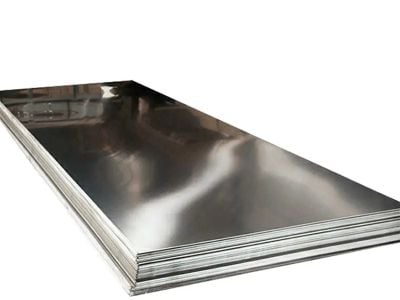
Hot dip galvanized steel is a critical material in construction, known for its corrosion resistance and durability. This article explores how hot dip galvanized steel meets various construction specifications, addressing key buyer concerns such as material performance, application suitability, and sourcing reliable suppliers. By understanding these elements, purchasing managers, engineers, and product managers can make informed decisions for their next project.
Choosing Hot Dip Galvanized Steel for Your Next Project
When selecting materials for construction, hot dip galvanized steel stands out due to its exceptional resistance to corrosion, making it suitable for both structural and aesthetic applications. This steel is produced by submerging steel components in molten zinc, resulting in a robust coating that provides long-lasting protection against environmental elements. B2B buyers should consider several factors when choosing hot dip galvanized steel. First, assess the specific requirements of the project, including exposure to moisture, chemicals, and temperature fluctuations. For instance, in coastal projects where saltwater exposure is a concern, hot dip galvanized stainless steel sheet is often preferred to ensure longevity and reduced maintenance costs. Additionally, consider the weight and structural integrity of the steel. Different gauges and dimensions can impact the load-bearing capabilities of the material, which is crucial for structural applications. Collaborating with manufacturers like Shandong Jiate Steel Co., Ltd., which specializes in various steel products, can help buyers identify the appropriate specifications for their needs.
Key Specifications for Hot Dip Galvanized Steel Products
Understanding the essential specifications of hot dip galvanized steel is vital for ensuring that the selected material meets the necessary construction standards. Key specifications include:
Thickness: The thickness of the steel affects its strength and weight. For structural applications, a minimum thickness may be required to support load-bearing capabilities.
Zinc Coating Weight: The amount of zinc applied during the galvanization process significantly influences corrosion resistance. ASTM A123 specifies minimum coating weights, which vary based on the steel's thickness and intended use.
Mechanical Properties: These include yield strength, tensile strength, and elongation percentages. Buyers should verify that the steel meets the relevant ASTM standards (e. g., ASTM A36 for carbon steel) to ensure it can withstand the required loads.
Dimensional Tolerances: Specific dimensions must be adhered to for compatibility with existing structures or components. Precision in dimensions ensures ease of installation and structural integrity.
Finish Quality: Surface finish must be free of defects that could compromise the performance of the stain steel sheets. Buyers should evaluate surface appearance and texture, as these can impact both aesthetics and functionality.
Confirming these specifications with the manufacturer before proceeding with an order helps mitigate risks and ensures that the hot dip galvanized steel meets all project requirements.
Installation Guidance for Hot Dip Galvanized Steel Applications
Installing hot dip galvanized steel requires careful planning and attention to detail to ensure optimal performance. Here are some key considerations for installation:
Surface Preparation: Before installation, surfaces must be clean and free of contaminants. This step is crucial, as contaminants can lead to corrosion under the coating.
Fastening Methods: The choice of fasteners should be compatible with galvanized steel to prevent galvanic corrosion. Stainless steel fasteners are often recommended, as they provide durability and corrosion resistance.
Expansion Gaps: Allow for thermal expansion by including gaps in the installation. As temperatures fluctuate, materials expand and contract neglecting this can lead to structural issues over time.
Inspection and Quality Control: After installation, conduct a thorough inspection to identify any potential defects or areas of concern. This includes checking for proper alignment, securing connections, and ensuring that no damage occurred during the installation process.
By following these guidelines and working closely with suppliers like Shandong Jiate stainless steel plate Co., Ltd., buyers can ensure that their hot dip galvanized steel applications are installed correctly and perform effectively.
Common Problems with Hot Dip Galvanized Steel and Solutions
While hot dip galvanized steel offers many advantages, buyers should be aware of potential issues that can arise:
Poor Coating Quality: Inadequate coating can result from improper galvanization processes. To avoid this, buyers should ensure that the supplier adheres to recognized standards and conducts thorough quality checks.
Corrosion Under Insulation: For applications involving insulation, moisture can become trapped, leading to corrosion. Buyers should consider using moisture barriers and ensure that insulation materials are compatible with galvanized steel.
Zinc Whiskers: These are fine protrusions of zinc that can form on galvanized surfaces and may affect electrical components or connections. Regular inspections and appropriate handling during installation can minimize this issue.
Welding Challenges: Welding galvanized steel requires specific techniques to prevent the release of toxic fumes from the zinc coating. Proper training and equipment are essential when welding these materials.
By understanding these common problems and working closely with experienced suppliers, buyers can implement effective solutions that enhance the longevity and performance of hot dip galvanized steel in their projects.
Where to Source Reliable Hot Dip Galvanized Steel Suppliers?
Finding a trustworthy supplier for hot dip galvanized steel is crucial for ensuring quality and reliability. Here are some tips for sourcing:
Evaluate Experience: Look for suppliers with a proven track record in manufacturing galvanized steel products. Companies like Shandong Jiate Steel Co., Ltd. have extensive experience in the industry, which can provide peace of mind regarding product quality.
Check Certifications: Ensure that the supplier complies with industry standards and holds relevant certifications. This not only validates their credibility but also assures adherence to quality control processes.
Request Samples: Before committing to a large order, request samples to evaluate the quality of the steel and its coating. Inspecting samples can help identify any potential issues early in the process.
Assess Customization Capabilities: Depending on your project requirements, you may need customized dimensions or specific characteristics. Ensure that the supplier can accommodate these needs without compromising on quality.
Review References: Ask for references or case studies from previous clients to gauge the supplier's reliability and customer service.
By following these guidelines, buyers can find suppliers that align with their project needs and contribute to the successful execution of their construction projects.