
 EN
EN
 AR
AR
 BG
BG
 HR
HR
 CS
CS
 DA
DA
 NL
NL
 FI
FI
 FR
FR
 DE
DE
 EL
EL
 HI
HI
 IT
IT
 JA
JA
 KO
KO
 NO
NO
 PL
PL
 PT
PT
 RO
RO
 RU
RU
 ES
ES
 SV
SV
 TL
TL
 ID
ID
 UK
UK
 VI
VI
 SQ
SQ
 HU
HU
 TH
TH
 TR
TR
 BE
BE
 AZ
AZ
 LO
LO
 MN
MN
 MY
MY
 KK
KK
 SU
SU
 UZ
UZ
 KY
KY

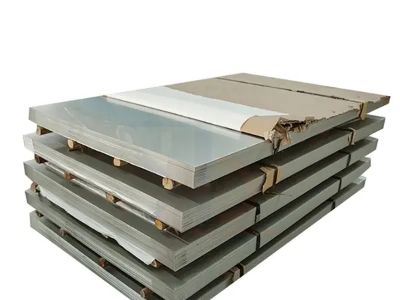
Understanding how steel grade influences hot dip galvanized steel performance is essential for ensuring optimal durability and application suitability in various industries. Buyers often face concerns regarding material specifications, quality, and the overall performance of galvanized steel products. This article will delve into the relationship between steel grade and the performance of hot dip galvanized steel, helping purchasing managers and engineers make informed decisions.
How Steel Grade Affects the Durability of Hot Dip Galvanized Steel
The grade of steel significantly impacts the durability and corrosion resistance of hot dip galvanized products. Different steel grades, such as carbon and stainless steel, have unique compositions that influence their mechanical properties and how they react to galvanizing. For instance, higher carbon content in steel can improve strength but may also increase brittleness, potentially leading to cracking during the galvanizing process.
A key factor in durability is the steel's alloying elements. Elements like silicon and phosphorus can enhance corrosion resistance but must be balanced to avoid complications during galvanizing. When selecting a steel grade, it's crucial to consider the end-use environment, as harsh conditions can exacerbate weaknesses in lower-grade materials. Therefore, a thorough understanding of steel grades can guide buyers towards materials that will withstand the test of time in their specific applications.
Choosing the Right Steel Grade for Optimal Galvanized Steel Performance
Selecting the appropriate steel grade for hot dip galvanizing involves evaluating the intended application, environmental exposure, and required performance characteristics. For instance, if the application requires high load-bearing capacity, structural grades like S235 or S355 may be suitable. In contrast, for aesthetic applications where appearance is critical, a stainless steel grade like 304 or 316 may be preferred due to its superior corrosion resistance and surface finish.
Buyers should also consider the fabrication processes involved. Some steel grades are easier to weld or cut, which can impact the overall efficiency of the manufacturing process. When requesting quotes or discussing specifications with suppliers, it's beneficial to provide details about the intended use, environmental conditions, and any specific performance requirements. This information enables suppliers to recommend the most suitable steel grades that align with the project's needs.
Key Specifications of Hot Dip Galvanized Steel by Grade
The specifications of hot dip galvanized steel vary significantly based on the steel grade. Key specifications to consider include:
Thickness of Coating: The thickness of the zinc coating affects corrosion resistance. Generally, a thicker coating provides better protection but may increase costs and alter the appearance.
Steel Composition: Buyers should be aware of the specific alloying elements present in the steel grade, as they can affect the galvanizing process and the performance of the final product.
Mechanical Properties: Yield strength, tensile strength, and elongation are crucial for determining how the steel will perform under load. Higher grades typically offer better mechanical properties, which can be advantageous in demanding applications.
Surface Finish: The quality of the surface finish after galvanizing can vary by steel grade. Higher grades tend to yield smoother finishes, which may be important for aesthetic applications.
Understanding these specifications allows buyers to evaluate the performance and suitability of galvanized steel for their particular needs, ensuring alignment with project requirements.
Common Problems with Galvanized Steel and Their Solutions
Despite its benefits, hot dip galvanized steel is not without challenges. Common issues include:
Poor Adhesion: Incompatibility between the steel grade and the galvanizing process can lead to poor adhesion of the zinc coating. To mitigate this, ensure proper surface preparation and choose a compatible steel grade.
White Rust Formation: This occurs when galvanized sheet metal is exposed to moisture and a lack of air circulation. To prevent white rust, ensure that products are stored in a dry environment and consider applying a passivation treatment.
Uneven Coating: Variability in the galvanizing process can result in uneven coating thickness. Buyers should discuss coating standards with suppliers and consider specifying minimum thickness requirements to avoid performance issues.
Addressing these common problems involves thorough supplier evaluation, clear communication of requirements, and understanding the limitations of the selected steel grade.
Applications of Hot Dip Galvanized Steel Based on Steel Grade
Hot dip galvanized steel finds applications across various industries, and the choice of steel grade can influence its suitability for specific uses.
Construction: Structural grades like S235 and S355 are commonly used for beams, columns, and other load-bearing elements. Their strength and durability make them ideal for building frameworks exposed to the elements.
Automotive: For automotive applications, lower alloy grades may be used for non-structural components where weight reduction is critical. The corrosion resistance provided by galvanizing enhances the longevity of these parts.
Agriculture: In agricultural settings, galvanized steel is often used for fencing, storage tanks, and equipment. The choice of steel grade should consider exposure to moisture and corrosive substances.
Infrastructure: Infrastructure applications, such as bridges and railings, benefit from higher-grade galvanized steel due to the need for enhanced strength and corrosion resistance under varying environmental conditions.
By aligning the steel grade with the intended application, buyers can ensure that the hot dip galvanized steel products will perform effectively and meet the necessary standards for safety and durability.
Understanding how steel grade influences hot dip galvanized steel performance is crucial for making informed purchasing decisions. By considering the factors mentioned, buyers can select the appropriate materials for their specific applications, ultimately leading to better performance and longevity of their projects.
Table of Contents
- How Steel Grade Affects the Durability of Hot Dip Galvanized Steel
- Choosing the Right Steel Grade for Optimal Galvanized Steel Performance
- Key Specifications of Hot Dip Galvanized Steel by Grade
- Common Problems with Galvanized Steel and Their Solutions
- Applications of Hot Dip Galvanized Steel Based on Steel Grade