 EN
 AR
 BG
 HR
 CS
 DA
 NL
 FI
 FR
 DE
 EL
 HI
 IT
 JA
 KO
 NO
 PL
 PT
 RO
 RU
 ES
 SV
 TL
 ID
 UK
 VI
 SQ
 HU
 TH
 TR
 BE
 AZ
 LO
 MN
 MY
 KK
 SU
 UZ
 KY

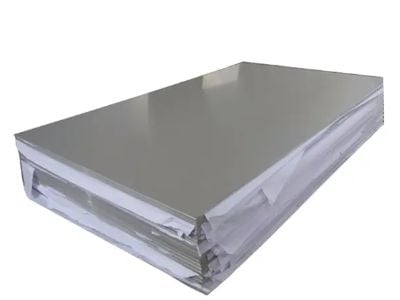
Understanding how zinc coating weight influences GI coil service life is crucial for buyers in the manufacturing and construction sectors. Zinc coatings, typically applied to galvanized steel coils, serve as a protective layer, extending the lifespan of the material by preventing corrosion. As purchasing managers and engineers evaluate materials for their projects, they often face concerns regarding durability, cost-effectiveness, and application suitability. This article will delve into the relationship between zinc coating weight and the service life of GI coils, helping you make informed decisions for your procurement needs.
How Zinc Coating Weight Affects GI Coil Durability and Lifespan
The weight of the zinc coating on galvanized iron (GI) coils plays a pivotal role in determining their durability and overall lifespan. Typically measured in grams per square meter (g/m²), the coating weight directly correlates with the level of corrosion protection the steel receives. A heavier zinc coating generally provides better resistance against environmental factors such as moisture, salt, and acids, significantly enhancing the coil's lifespan.
For example, a typical zinc coating weight of 275 g/m² can offer robust protection in moderately corrosive environments, whereas a higher weight of 450 g/m² may be necessary for harsher conditions, such as coastal areas where salt exposure is frequent. Buyers should consider the specific environmental conditions their products will face when determining the appropriate zinc coating weight, as insufficient protection may lead to premature corrosion and failure.
Which is Best for Your Application?
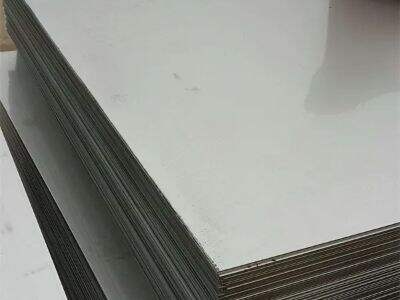
Selecting the right zinc coating weight for your application depends on several factors, including the intended use of the ppgi coil and the environmental conditions they will encounter. For applications in construction, automotive, or outdoor settings, a heavier zinc coating is often recommended to ensure longevity and reduce maintenance costs.
Conversely, if the coils will be used in less demanding environments or for indoor applications, a lighter coating may suffice, offering a more cost-effective solution. It is crucial to assess not only the environmental conditions but also the expected lifespan and maintenance schedule of the product. Engaging with a manufacturer like Shandong Jiate Steel Co., Ltd. can provide you with tailored recommendations based on your specific requirements.
Cost Implications of Zinc Coating Weight on GI Coil Purchases
The weight of the zinc coating significantly impacts the overall cost of GI coils. Heavier coatings typically result in higher material costs due to the increased quantity of zinc required. However, buyers must weigh these costs against the long-term benefits of reduced corrosion and extended service life.
While a lighter coating may seem more economical upfront, it could lead to higher maintenance or replacement costs if the product fails prematurely. Therefore, it is essential to conduct a total cost of ownership analysis when evaluating zinc coating options. Consider factors such as the expected lifespan, maintenance frequency, and potential downtime caused by product failure. This comprehensive approach will help you make a more informed purchasing decision.
Understanding Common Problems Related to Zinc Coating Weight
Buyers should be aware of common problems related to zinc coating weight that can arise during the manufacturing and application processes. One frequent issue is the inconsistency in coating thickness, which can lead to areas of the coil being more susceptible to corrosion than others. This variability can occur due to factors such as improper application techniques or equipment calibration issues.
Additionally, excessive zinc coating weight can lead to issues such as zinc creep, where the coating can flake off or peel under stress, compromising the protective layer. Buyers should ensure that their suppliers have stringent quality control processes in place to minimize these risks. Conducting thorough inspections and requiring detailed specifications before finalizing any orders can help mitigate potential problems associated with zinc coating weight.
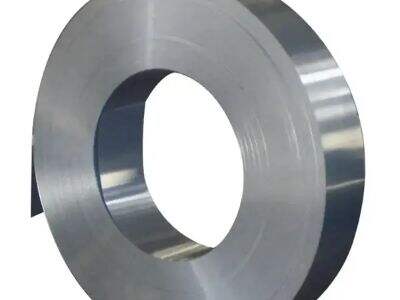
Expert Insights on Zinc Coating Weight and Its Impact on Service Life
From an expert perspective, the relationship between zinc coating weight and the service life of Ppgi coil sheet is nuanced and requires careful consideration. It is essential to understand that while a heavier zinc coating generally enhances protection, it is not the sole determinant of service life. Factors such as the base steel quality, manufacturing processes, and the application environment also play critical roles.
Moreover, engaging with a knowledgeable supplier can provide valuable insights into selecting the right zinc coating weight based on specific applications and environmental concerns. As a manufacturer with extensive experience in the production and processing of galvanized steel products, Shandong Jiate Steel Co., Ltd. can offer guidance on optimizing zinc coating weight for enhanced performance and longevity.
In summary, understanding how zinc coating weight influences GI coil service life is vital for buyers looking to procure durable and cost-effective materials. By considering factors such as application requirements, environmental conditions, and potential long-term costs, purchasing managers and engineers can make informed decisions that align with their project needs.