 EN
 AR
 BG
 HR
 CS
 DA
 NL
 FI
 FR
 DE
 EL
 HI
 IT
 JA
 KO
 NO
 PL
 PT
 RO
 RU
 ES
 SV
 TL
 ID
 UK
 VI
 SQ
 HU
 TH
 TR
 BE
 AZ
 LO
 MN
 MY
 KK
 SU
 UZ
 KY

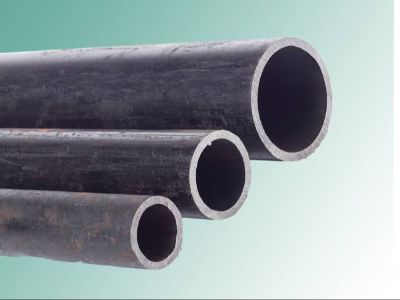
Understanding how a GI pipe supplier manages zinc coating requirements is essential for B2B buyers in the construction and manufacturing sectors. Zinc-coated galvanized iron (GI) pipes offer enhanced corrosion resistance, making them a preferred choice for various applications. However, purchasing managers and engineers must evaluate several factors, including coating specifications, installation requirements, and cost implications. This article will provide insights into how to select the right supplier, understand coating specifications, and make informed decisions regarding zinc-coated GI pipes
How to Choose the Right GI Pipe Supplier for Zinc Coating Needs
Selecting the right GI pipe supplier begins with evaluating their manufacturing capabilities and experience with zinc coating processes. Look for suppliers that have a history of producing galvanized products, as this indicates familiarity with the specific requirements of zinc coatings, such as thickness and uniformity
Inquire about the supplier’s quality control measures. A reliable supplier should have robust inspection procedures to ensure that the zinc coating meets industry standards. Certifications such as ISO 9001 can also indicate a commitment to quality management systems. Additionally, consider the supplier's production capacity and lead times, especially if your project requires bulk orders or rapid turnaround
Understanding the supplier's customization options is also crucial. If your project has unique requirements, a supplier that can tailor their products to your specifications will be invaluable. Ask about their ability to accommodate custom sizes, lengths, and coating thicknesses
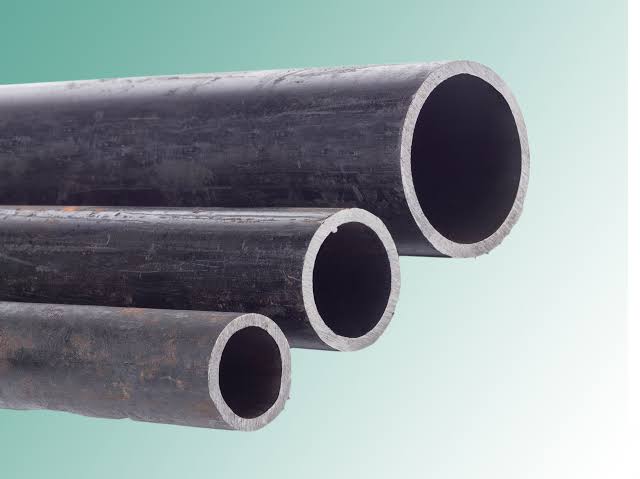
Understanding Zinc Coating Specifications for GI Pipe Applications
Zinc coating specifications for GI pipes typically include thickness, adherence, and the method of application. The most common standard for galvanized steel is ASTM A123, which outlines the minimum coating thickness based on the weight of the zinc applied. A thicker coating generally offers better corrosion protection, which is critical in environments with high humidity or exposure to chemicals
Adherence strength is another key specification. A well-applied zinc coating should bond firmly to the surface of the steel pipe, preventing flaking or peeling during installation or use. To ensure this, buyers should request information about the supplier’s coating process and any relevant testing methods used to verify adherence
Lastly, it's beneficial to understand the intended application of the GI pipes. For example, pipes used in underground installations may require different specifications compared to those used in above-ground structures. Discussing these details with the supplier will help confirm that the zinc coating meets the specific environmental conditions the pipes will face
The Cost Implications of Zinc Coating for GI Pipes in Bulk Orders
The cost of zinc-coated GI pipes can be influenced by several factors, particularly when ordering in bulk. While the price per unit may decrease with larger quantities, buyers should also consider the overall value, including quality and service. Low-cost options may compromise on coating quality, leading to higher maintenance costs or premature replacement
Zinc coating thickness and quality can also impact pricing. Suppliers may offer various coating grades, and while a thicker coating may have a higher upfront cost, it can lead to lower long-term costs due to enhanced durability. It’s essential to balance initial investment against expected lifecycle costs
Additionally, shipping costs can vary based on order size and delivery location. Discussing logistics with your supplier can help identify cost-effective solutions for transportation, particularly if your project requires multiple shipments or just-in-time delivery
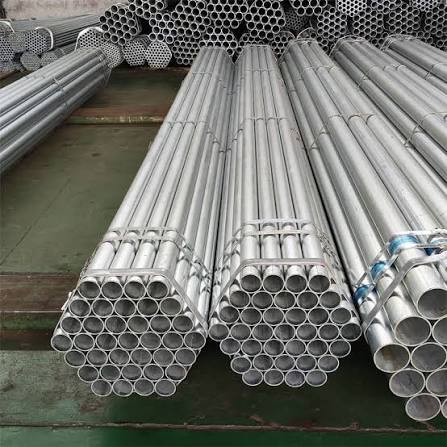
Installation Guidance for GI Pipes with Zinc Coating Requirements
Proper installation of zinc-coated GI pipes is crucial to maintaining the integrity of the coating and ensuring optimal performance. Before installation, it’s advisable to inspect the pipes for any damage that may have occurred during shipping. Check for defects such as scratches or areas where the coating may have been compromised, as these can lead to corrosion if not addressed
When joining pipes, consider using compatible materials to avoid galvanic corrosion. For example, connecting zinc-coated pipes to non-galvanized steel can lead to accelerated corrosion at the contact points. Always use appropriate sealants and gaskets that are compatible with galvanized surfaces
Finally, installation techniques should minimize abrasion and damage to the zinc coating. Use soft tools when handling the pipes and avoid dragging them across rough surfaces. Additionally, if cutting is necessary, employ methods that prevent the exposed cut edges from compromising the coating
Exploring the Advantages of Zinc Coated GI Pipes for Projects
Zinc-coated GI pipes offer several advantages for both construction and industrial applications. One of the most significant benefits is their corrosion resistance, which extends the lifespan of the pipes, reducing the need for frequent replacements. This durability is particularly advantageous in environments with high moisture levels or exposure to corrosive substances
Another advantage is the low maintenance requirement associated with zinc-coated pipes. The protective layer of zinc acts as a barrier against rust and deterioration, minimizing the frequency and extent of maintenance checks. This can save both time and costs in the long run
Zinc coatings also provide aesthetic benefits, as they give a clean, uniform appearance that can enhance the overall look of a project. For projects where visible piping is a concern, this can be an added advantage
In summary, understanding how a GI pipe supplier manages zinc coating requirements is essential for making informed purchasing decisions. By evaluating supplier capabilities, understanding specifications, and considering cost implications, buyers can ensure they select the right products for their projects
Table of Contents
- How to Choose the Right GI Pipe Supplier for Zinc Coating Needs
- Understanding Zinc Coating Specifications for GI Pipe Applications
- The Cost Implications of Zinc Coating for GI Pipes in Bulk Orders
- Installation Guidance for GI Pipes with Zinc Coating Requirements
- Exploring the Advantages of Zinc Coated GI Pipes for Projects