 EN
EN
 AR
AR
 BG
BG
 HR
HR
 CS
CS
 DA
DA
 NL
NL
 FI
FI
 FR
FR
 DE
DE
 EL
EL
 HI
HI
 IT
IT
 JA
JA
 KO
KO
 NO
NO
 PL
PL
 PT
PT
 RO
RO
 RU
RU
 ES
ES
 SV
SV
 TL
TL
 ID
ID
 UK
UK
 VI
VI
 SQ
SQ
 HU
HU
 TH
TH
 TR
TR
 BE
BE
 AZ
AZ
 LO
LO
 MN
MN
 MY
MY
 KK
KK
 SU
SU
 UZ
UZ
 KY
KY

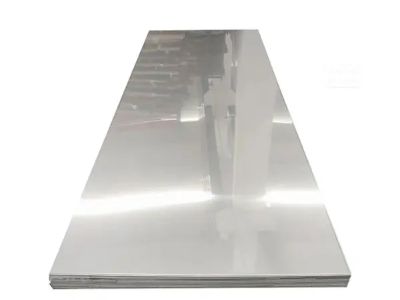
Understanding the color consistency of Pre-Painted Galvanized Iron (PPGI) steel is crucial for manufacturers and buyers in the construction and manufacturing sectors. PPGI steel is widely used in various applications, from roofing to appliance manufacturing, where aesthetic appeal and uniformity are important. This article will delve into what determines the color consistency of ppgi steel, addressing key buyer concerns such as material quality, manufacturing processes, and quality control measures.
What Factors Influence the Color Consistency of PPGI Steel?
Several factors affect the color consistency of PPGI steel, primarily related to the manufacturing process, material selection, and environmental conditions.
Coating Composition: The type of paint used in the coating process significantly influences color consistency. Different formulations can yield varying results, so it's essential to choose a supplier that can provide consistent paint compositions.
Surface Preparation: Proper surface preparation before painting is critical for achieving uniform color. This involves cleaning and priming the ppgi steel surface to ensure optimal adhesion of the paint. Any inconsistencies during this stage can lead to color variations.
Application Method: The method used to apply the paint, whether by roller, spray, or electrostatic coating, can impact the final appearance. Each technique has its nuances, and slight deviations in application can lead to uneven color distribution.
Environmental Factors: Humidity, temperature, and airflow during the painting process can affect how paint dries and adheres to the metal. For instance, high humidity can cause paint to run or not adhere properly, leading to inconsistencies in color.
Quality Control: Rigorous quality control measures, including regular testing of paint samples and finished products, are necessary to maintain color consistency. This includes checking for color matching against standardized samples throughout the production run.
Ensuring Consistent Color in PPGI Steel Products
To guarantee consistent color in PPGI steel products, manufacturers need to implement strict quality assurance protocols.
Pre-Production Samples: Requesting pre-production samples is a crucial step. Buyers should analyze samples under different lighting conditions to verify color consistency against their requirements. This step helps in identifying any potential issues before mass production begins.
Batch Testing: Regular testing of paint batches for color consistency is vital. Manufacturers should maintain records of color tests for different batches, ensuring any discrepancies are addressed promptly.
Supplier Collaboration: Close collaboration between buyers and suppliers can foster better communication about color requirements. Providing suppliers with clear specifications and expectations helps minimize misunderstandings and ensures the final product meets the desired standards.
Production Monitoring: Continuous monitoring during the production process can catch potential issues early. This includes checking the viscosity of the paint and ensuring that equipment is functioning correctly.
Post-Production Inspection: After production, inspecting the final products for color consistency is essential. This can involve visual checks and using color measurement instruments to ensure adherence to specified color standards.
Bulk Order Considerations for High-Quality PPGI Steel Color Consistency
When placing bulk orders for PPGI steel, several considerations can help ensure high-quality color consistency:
Minimum Order Quantity (MOQ): Discuss the MOQ with your supplier, as larger orders often allow for better quality control and consistency. With a higher quantity, the manufacturer can dedicate resources to achieve uniformity across the entire batch.
Lead Time: Be aware of the lead time required for production. Longer lead times can allow for more thorough quality checks, while tight schedules may lead to rushed production, increasing the risk of inconsistencies.
Custom Specifications: Clearly outline any custom specifications for color and finish in your order. Providing detailed requirements will help the manufacturer align their processes with your expectations.
Quality Assurance Agreements: Consider establishing quality assurance agreements that detail the expected standards for color consistency. This can include specific testing methods and acceptance criteria for the final products.
Supplier Reputation: Choose suppliers with a proven track record of delivering consistent quality. Research their manufacturing processes, quality control measures, and customer feedback to ensure reliability.
Where to Source PPGI Steel with Reliable Color Consistency?
Finding a reliable source for PPGI steel that ensures consistent color requires thorough evaluation:
Industry Reputation: Look for manufacturers with a strong reputation for quality and consistency. Established companies often have robust quality management systems in place.
Certifications: Verify if the manufacturer holds relevant industry certifications. Certifications can be indicators of a commitment to quality and adherence to international standards.
Production Capabilities: Assess the manufacturer’s production capabilities, including the technology and equipment used. Advanced machinery often leads to better precision and consistency in manufacturing processes.
Customer References: Request references from other clients who have ordered Ppgi steel sheet. Feedback from existing customers can provide insights into the manufacturer's reliability and the consistency of their products.
Local vs. International Suppliers: Consider the advantages of sourcing locally versus internationally. Local suppliers may offer quicker turnaround times and easier communication, while international suppliers might provide cost benefits.
Understanding the Cost Implications of PPGI Steel Color Variability
Color variability in PPGI steel can have significant cost implications for buyers:
Rework and Rejection Costs: If color inconsistencies are detected after production, costs associated with rework or product rejection can be substantial. Ensuring color consistency from the outset can mitigate these risks.
Impact on Brand Image: For companies using PPGI steel in visible applications, such as roofing or consumer goods, inconsistent color can negatively impact brand perception. Maintaining uniformity is crucial for upholding brand standards.
Supply Chain Disruptions: Color variability can disrupt supply chains if products need to be returned or replaced due to quality issues. This can lead to delays, impacting project timelines and overall efficiency.
Negotiation Leverage: Understanding the factors that contribute to color consistency can provide buyers with leverage during negotiations with suppliers. Articulating specific quality requirements can lead to better pricing and terms.
Long-Term Relationships: Establishing long-term relationships with suppliers who prioritize color consistency can lead to cost savings over time. Consistency in both product quality and pricing can enhance overall purchasing efficiency.
By understanding the factors that influence the color consistency of PPGI steel, buyers can make informed decisions that enhance their purchasing strategy, ensuring they receive high-quality products that meet their specific needs.
Table of Contents
- What Factors Influence the Color Consistency of PPGI Steel?
- Ensuring Consistent Color in PPGI Steel Products
- Bulk Order Considerations for High-Quality PPGI Steel Color Consistency
- Where to Source PPGI Steel with Reliable Color Consistency?
- Understanding the Cost Implications of PPGI Steel Color Variability