 EN
 AR
 BG
 HR
 CS
 DA
 NL
 FI
 FR
 DE
 EL
 HI
 IT
 JA
 KO
 NO
 PL
 PT
 RO
 RU
 ES
 SV
 TL
 ID
 UK
 VI
 SQ
 HU
 TH
 TR
 BE
 AZ
 LO
 MN
 MY
 KK
 SU
 UZ
 KY

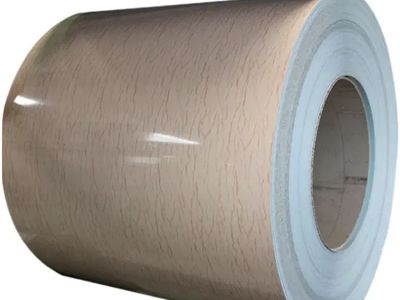
GI coil slitting is a critical manufacturing process that significantly impacts downstream processing in various applications. By accurately cutting galvanized steel coils into precise widths, manufacturers can enhance product quality and ensure that the final products meet specific industry requirements. This article will explore how gi coil slitting affects product quality, guide you in selecting the right slitting options, address common challenges in the process, and discuss its implications on your supply chain.
How GI Coil Slitting Influences Product Quality in Manufacturing?
The quality of GI coil slitting directly influences the integrity and performance of the final products. When slitting is performed with precision, manufacturers avoid issues such as burrs and irregular edges that can lead to complications further down the production line. Precise cuts not only improve the appearance of the product but also ensure that components fit together as intended in assembly processes.
Moreover, the thickness and width of the slit coils are crucial specifications that affect how well the product withstands environmental factors and mechanical stress during usage. For instance, if the Gi coil galvanized steel is too thin for its intended application, it may not offer the durability required, leading to premature failure. Therefore, working with a reliable manufacturer like Shandong Jiate Steel Co., Ltd., which employs advanced equipment and quality control processes, can help ensure that the slitting process meets the necessary standards.
Choosing the Right GI Coil Slitting for Your Project Needs
Selecting the right GI coil slitting service is critical for meeting project specifications. First, consider the material type whether you need stainless, carbon, or galvanized steel as this will determine the suitable slitting method and tools. Each material behaves differently during slitting; for example, stainless steel may require specialized blades to prevent deformation.
Next, evaluate the required dimensions. The width and thickness of the slit coils should align with your project’s specifications. Providing detailed information about your application can help suppliers suggest the most appropriate slitting options. Additionally, inquire about customization capabilities, as some projects may require specific tolerances or surface finishes that could impact downstream processing.
Common Problems in GI Coil Slitting and Their Solutions
Several challenges can arise during the GI coil slitting process, which may affect product quality and efficiency. One common issue is the presence of burrs on the edges of the slit coils, which can lead to complications in subsequent manufacturing steps. To mitigate this, manufacturers can implement deburring processes or use advanced slitting technologies that minimize edge deformation.
Another potential problem is coil distortion, which can occur if the material is not adequately supported during slitting. It’s essential to ensure that the slitting equipment is properly calibrated to handle the specific material and thickness being processed. Regular maintenance of slitting machines is also crucial to prevent wear that can lead to inaccuracies.
Additionally, inconsistent feeding during the slitting process can cause variations in the widths of the coils. Utilizing automated feeding systems can help ensure uniformity and reduce the risk of errors. By addressing these common issues, manufacturers can maintain high-quality production standards.
How GI Coil Slitting Affects Your Supply Chain?
GI coil slitting plays an essential role in shaping the efficiency of your supply chain. When slitting is executed properly, it can reduce lead times significantly, as the precision cuts allow for faster processing in downstream applications. This efficiency can lead to improved inventory management, as accurately cut coils can be stored and transported more easily.
Conversely, if slitting is poorly executed, it can lead to delays caused by rework or quality inspections that require additional time and resources. A reliable supplier, like Shandong Jiate Steel Co., Ltd., can ensure that slitting is performed accurately, thus enhancing the overall flow of materials through your supply chain.
Furthermore, slitting affects packaging and shipping considerations. Properly slit coils can be packaged more efficiently, reducing wasted space and lowering shipping costs. As a result, buyers should prioritize selecting manufacturers with a strong track record in slitting precision to streamline their supply chain operations.
Evaluating Specifications of GI Coils for Bulk Orders and Purchases
When placing bulk orders for GI coils, it is vital to evaluate several specifications to ensure that the materials meet your project requirements. Key factors to consider include:
Thickness: Ensure that the coil thickness aligns with your application needs. Too thick may lead to unnecessary weight, while too thin could compromise structural integrity.
Width: The width should be tailored to fit the specific manufacturing processes in which the gi steel coils will be used. Inaccurate widths can lead to additional costs in customization or waste.
Material Type: Depending on environmental considerations, choose between stainless, carbon, or galvanized steel. Each material has unique properties that affect durability and corrosion resistance.
Surface Finish: Confirm the required surface finish based on the end use of the product. Some applications may require polished or coated surfaces for better performance.
Additionally, discuss minimum order quantities (MOQ) and lead times with your supplier. Bulk orders can often lead to cost savings, but it’s essential to confirm that the supplier can meet your delivery timelines without compromising on quality.
By thoroughly evaluating these specifications and working closely with a knowledgeable supplier, you can optimize your purchasing process and ensure that the GI coils will perform as expected in your applications.