 EN
 AR
 BG
 HR
 CS
 DA
 NL
 FI
 FR
 DE
 EL
 HI
 IT
 JA
 KO
 NO
 PL
 PT
 RO
 RU
 ES
 SV
 TL
 ID
 UK
 VI
 SQ
 HU
 TH
 TR
 BE
 AZ
 LO
 MN
 MY
 KK
 SU
 UZ
 KY

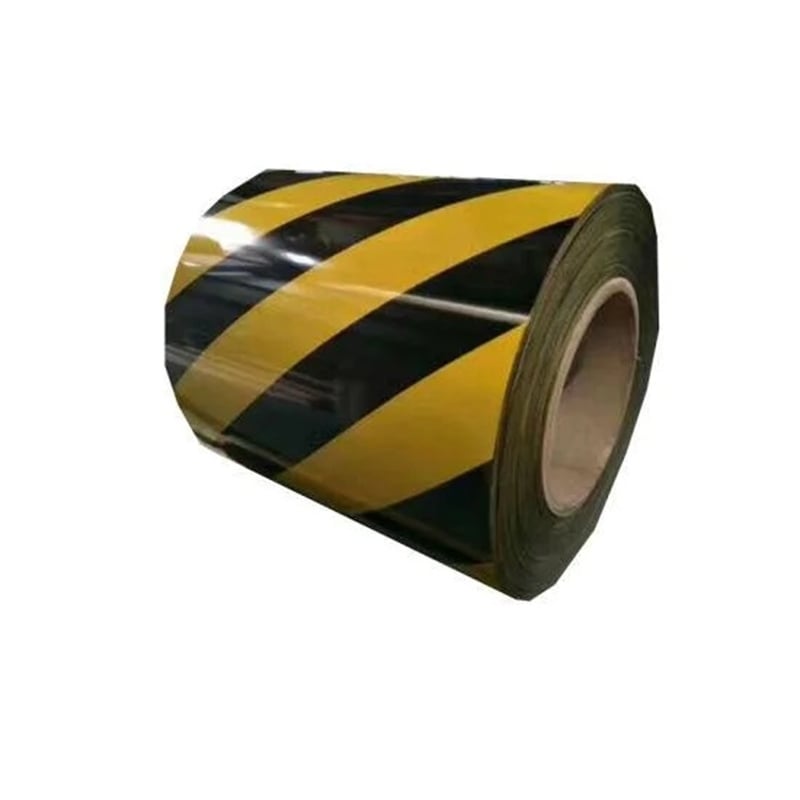
In the evolving landscape of construction and industrial applications, galvanized iron (GI) pipes continue to play a crucial role. As a leading provider of manufacturing services, Shandong Jiate Steel Co., Ltd. understands the significance of staying updated on the latest trends in GI pipe supplier manufacturing services. This article aims to address key concerns for B2B buyers including quality assessment, supplier reliability, and application advantages while providing actionable insights to streamline purchasing decisions.
How to Evaluate the Quality of GI Pipes from Manufacturers
When purchasing PPGI/GI/PPGL pipes, quality evaluation is paramount. Buyers should focus on several critical specifications, including wall thickness, diameter, and material composition. The wall thickness affects the pipe's strength and ability to withstand pressure. A thicker wall typically indicates a more durable product, suitable for high-stress applications. It's advisable to request detailed specifications from the manufacturer, and consider testing samples to confirm durability and adherence to industry standards.
Another essential aspect is the galvanization process. The quality of the zinc coating protects against corrosion, extending the pipe's lifespan. Buyers should inquire about the coating thickness, which can be measured in microns. A minimum of 45 microns is often recommended for optimal performance in most environments. Conducting a visual inspection for uniformity and absence of corrosion spots is also advisable. Finally, ensure that the manufacturer follows stringent quality control processes, including third-party testing for compliance with relevant standards.
A Guide for Wholesale Buyers
Wholesale buyers looking to acquire GI pipes should compile a comprehensive request for quotation (RFQ) that includes specific details. Key factors to include are pipe dimensions, quantities, and intended applications. For instance, if the pipes are intended for water supply, specifications regarding pressure ratings and potential chemical exposure should be clearly outlined.
Additionally, buyers should establish a clear understanding of their customization needs. Common customizations may include specific lengths, fittings, or surface treatments. It's crucial to communicate these requirements early in the negotiation process to avoid misunderstandings later on.
Lead time is another essential consideration. Confirm with the supplier how long it will take from order placement to delivery, especially if your project timeline is tight. Understanding both minimum order quantities (MOQ) and potential bulk discounts can also facilitate more cost-effective purchasing decisions.
Where to Find Reliable GI Pipe Suppliers for Your Projects
Identifying trustworthy galvanized coil pipe suppliers requires diligent research. Start by examining industry directories and trade platforms that list manufacturers with a proven track record. Look for suppliers who have established reputations and certifications that validate their manufacturing processes.
Networking within industry associations can also yield valuable insights. Engaging in forums or attending trade shows can help buyers connect directly with manufacturers and gain firsthand feedback from other industry professionals regarding their experiences with specific suppliers.
Additionally, online reviews can provide useful information about supplier reliability and customer service. Pay attention to feedback on product quality, delivery times, and responsiveness to inquiries. When considering a supplier, request samples to evaluate product quality before finalizing any agreements.
Advantages of Using Galvanized Steel Pipes in Construction Projects
Galvanized steel pipes offer several advantages that make them a preferred choice in construction applications. One of the primary benefits is their resistance to corrosion, which significantly extends their lifespan compared to uncoated steel. This durability makes them ideal for outdoor and industrial settings where exposure to moisture and environmental factors can lead to rapid deterioration.
Another advantage is the ease of installation. Galvanized pipes are lightweight relative to other materials, making them easier to handle and transport. Additionally, their compatibility with standard fittings simplifies the construction process.
Galvanized pipes also provide good flow characteristics due to their smooth interior surfaces, which reduce friction and increase fluid flow efficiency. This is particularly beneficial in plumbing applications. Buyers should also consider the aesthetic appeal of galvanized pipes, as their shiny surface can enhance the overall appearance of installations.
Selecting the Right GI Pipes
Choosing the appropriate galvanized steel pipe for a project involves careful consideration of several factors. Start by determining the application requirements, including the type of fluid being transported, pressure conditions, and environmental factors. For instance, pipes used in chemical applications may require special coatings to mitigate chemical reactions.
Next, evaluate the size and dimensions required for your project. Ensure that the selected pipes can accommodate the flow rates and pressure requirements specific to your application. Consulting with engineers or industry experts can provide additional insights into optimal sizing and compatibility with existing systems.
Customization is also a significant factor. Buyers may require specific lengths, fittings, or surface treatments based on their project needs. Discussing these requirements with the manufacturer early in the procurement process can help avoid delays and ensure that the final products meet exact specifications.
In summary, understanding the latest trends in GI pipe supplier manufacturing services is crucial for making informed purchasing decisions. By evaluating quality, establishing clear specifications, and choosing reliable suppliers, B2B buyers can ensure successful project outcomes.