 EN
 AR
 BG
 HR
 CS
 DA
 NL
 FI
 FR
 DE
 EL
 HI
 IT
 JA
 KO
 NO
 PL
 PT
 RO
 RU
 ES
 SV
 TL
 ID
 UK
 VI
 SQ
 HU
 TH
 TR
 BE
 AZ
 LO
 MN
 MY
 KK
 SU
 UZ
 KY

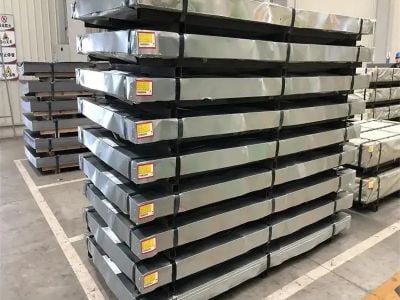
Galvanized tubing is widely used in various industrial applications due to its corrosion-resistant properties. However, understanding the different surface finishes available for galvanized tubing is crucial for ensuring durability and suitability for specific applications. This article will explore the various surface finishes for galvanized tubing, addressing key concerns for purchasing managers, engineers and product managers. By the end, you will have a clearer understanding of how to choose the right finish to meet your operational needs.
What Surface Finishes Enhance the Durability of Galvanized Tubing?
Several surface finishes can significantly enhance the durability of galvanized tubing. The most common finishes include:
Hot-Dip Galvanizing: This process involves dipping the steel tube into molten zinc, creating a thick protective layer. This finish is renowned for its superior corrosion resistance and longevity in harsh environments.
Electro-Galvanizing: In this finish, a thin layer of zinc is applied through electroplating. While it provides adequate corrosion protection, it is less durable than hot-dip galvanizing, making it suitable for less demanding applications.
Powder Coating: Applying a powder coating over galvanized seamless hydraulic tubing adds an additional layer of protection against scratches and environmental damage. This finish can also enhance aesthetic appeal but may require careful selection of powder materials to ensure compatibility with the underlying galvanized layer.
Passivation: This chemical treatment enhances the surface of galvanized steel, improving its corrosion resistance by forming a protective oxide layer. Passivated surfaces are particularly useful in environments with high moisture or chemical exposure.
When selecting a finish, consider the specific environmental conditions the tubing will face, as this directly impacts its longevity and performance.
How to Choose the Right Surface Finish for Your Galvanized Tubing Needs?
Choosing the right surface finish for galvanized tubing involves several key considerations:
Application Environment: Analyze the operational environment. For instance, if the tubing will be exposed to high humidity or corrosive chemicals, a hot-dip galvanizing finish may be more appropriate due to its enhanced protection.
Load and Stress Conditions: Consider the mechanical stress the precision stainless steel tubing will encounter. Some finishes may alter the mechanical properties of the steel. For heavy-duty applications, hot-dip galvanizing is often preferred.
Aesthetic Requirements: If appearance is a concern, powder coating can provide a visually appealing finish while enhancing durability. Ensure that the chosen coating is compatible with galvanized surfaces.
Cost Considerations: Budget constraints may also influence your decision. While hot-dip galvanizing offers the best protection, it may be more expensive than electro-galvanizing or passivation. Evaluate the long-term benefits versus initial costs.
Compatibility with Additional Treatments: If further treatments such as painting or wrapping are planned, ensure the surface finish allows for proper adhesion and compatibility.
By thoroughly assessing these factors, you can make an informed decision that aligns with your operational goals.
Where to Source High-Quality Galvanized Tubing with Various Finishes?
Sourcing high-quality galvanized tubing with the right finishes involves selecting reputable suppliers known for their manufacturing capabilities and product quality. Here are some tips for finding reliable sources:
Manufacturer Reputation: Look for manufacturers with a proven track record in producing galvanized tubing. Companies like Shandong Jiate Steel Co., Ltd. specialize in various steel products, including galvanized tubing, and often offer customization options.
Certification and Compliance: Ensure that the supplier adheres to industry standards and certifications, which can be indicative of quality control processes. This may include ISO certifications or compliance with ASTM standards.
Technical Support: Choose suppliers that provide technical assistance, helping you understand the best finishes for your specific applications. A knowledgeable provider can guide you in making the right choices based on your needs.
Sample Availability: Request samples before placing bulk orders. This allows you to inspect the galvanized tubing finish and quality, ensuring it meets your expectations.
Customization Options: If your project has unique specifications, ensure that the manufacturer can accommodate custom finishes or dimensions.
By carefully evaluating potential suppliers, you can secure high-quality galvanized tubing that meets your operational requirements.
Understanding Surface Finish Specifications for Galvanized Tubing
When dealing with galvanized tubing, understanding surface finish specifications is vital for ensuring compliance with application needs. Key specifications to consider include:
Finish Thickness: The thickness of the zinc coating affects corrosion resistance. Hot-dip galvanized tubing typically features a thicker coat compared to electro-galvanized options. Ensure the thickness meets industry standards for your application.
Surface Roughness: The roughness of the finish can impact adhesion for additional coatings. A smooth surface may be required for painting, while a rough surface can enhance mechanical bonding in some applications.
Chemical Composition: Understanding the alloy composition of the galvanized layer is crucial for compatibility with the environment. For instance, different zinc alloys may offer varying levels of performance in corrosive situations.
Adhesion Properties: If the tubing will be coated or painted, check the adhesion properties of the surface finish. A proper finish should allow for strong adhesion of any additional treatments.
Testing and Certification: Ensure that the finishes have been tested and certified according to relevant standards. This verification helps assure quality and performance.
By focusing on these specifications, you can ensure that the galvanized tubing will perform effectively in its intended application.
Common Problems with Surface Finishes on Galvanized Tubing and Solutions
Despite the effectiveness of various surface finishes, several common problems can arise, impacting the performance of galvanized tubing. Here are some issues and potential solutions:
Corrosion Under Coatings: Inadequate surface preparation can lead to corrosion beneath paint or powder coatings. To mitigate this, ensure proper cleaning and surface treatment before applying any additional layers.
Peeling or Lifting of Coatings: Poor adhesion of coatings can result from incompatible finishes or insufficient curing times. Selecting appropriate finish combinations and ensuring thorough curing can help prevent these issues.
Surface Defects: Imperfections such as pitting or uneven coating can compromise the protective layer. Engaging with reputable manufacturers who implement strict quality control can minimize the occurrence of defects.
Environmental Damage: In extreme environments, even galvanized surfaces may deteriorate. Regular inspections and maintenance can help identify early signs of wear, allowing for timely interventions.
Limited Durability of Thinner Finishes: Electro-galvanized surfaces may not provide sufficient protection for high-stress applications. In such cases, opting for thicker coatings or alternative finishes can enhance longevity.
By being aware of these common problems and their solutions, you can enhance the performance and lifespan of your galvanized tubing, ultimately leading to better operational outcomes.
Table of Contents
- What Surface Finishes Enhance the Durability of Galvanized Tubing?
- How to Choose the Right Surface Finish for Your Galvanized Tubing Needs?
- Where to Source High-Quality Galvanized Tubing with Various Finishes?
- Understanding Surface Finish Specifications for Galvanized Tubing
- Common Problems with Surface Finishes on Galvanized Tubing and Solutions