
 EN
EN
 AR
AR
 BG
BG
 HR
HR
 CS
CS
 DA
DA
 NL
NL
 FI
FI
 FR
FR
 DE
DE
 EL
EL
 HI
HI
 IT
IT
 JA
JA
 KO
KO
 NO
NO
 PL
PL
 PT
PT
 RO
RO
 RU
RU
 ES
ES
 SV
SV
 TL
TL
 ID
ID
 UK
UK
 VI
VI
 SQ
SQ
 HU
HU
 TH
TH
 TR
TR
 BE
BE
 AZ
AZ
 LO
LO
 MN
MN
 MY
MY
 KK
KK
 SU
SU
 UZ
UZ
 KY
KY

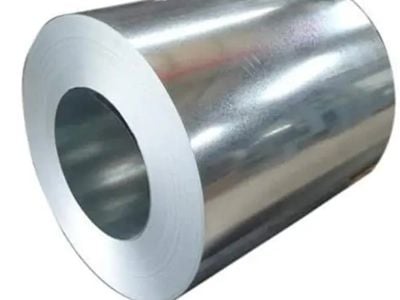
PPGI (Pre-Painted Galvanized Iron) steel is widely used in various industries due to its excellent durability and aesthetic appeal. The choice of substrate grades for PPGI steel can significantly influence its performance, application suitability, and cost. We will explore the common substrate grades used for PPGI steel, addressing key buyer concerns such as material specifications, installation tips, and pricing factors. This information will help you make informed decisions when sourcing PPGI steel for your projects
How to Choose the Right Substrate Grade for Your PPGI Needs
Selecting the appropriate substrate grade for your PPGI requirements involves understanding the specific application and performance needs. Common substrate grades include SGCC (Hot-Dip Galvanized Steel) and SPCC (Cold-Rolled Steel
Application Suitability: Assess where and how the PPGI will be used. For outdoor applications, SGCC is often preferred due to its superior corrosion resistance. In contrast, SPCC may be more suitable for indoor applications where exposure to harsh environments is minimal
Performance Requirements: Consider specifications such as thickness, yield strength, and coating weight. For instance, a thicker substrate may enhance durability but could increase costs. It's essential to balance performance requirements with budget constraints
Customization Needs: Depending on your project's unique demands, you may require specific dimensions or finishes. Working closely with suppliers like Shandong Jiate Steel Co., Ltd. allows for tailored solutions that align with your operational needs
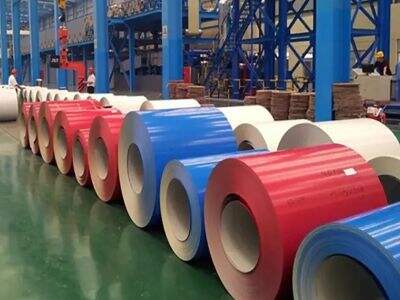
Understanding PPGI Steel Substrate Specifications for Buyers
When evaluating PPGI steel, buyers should familiarize themselves with crucial substrate specifications, including
Thickness: Typically ranging from 0.3mm to 1.2mm, thickness affects durability and flexibility. Thicker substrates offer better resistance to impact and bending
Coating Weight: The weight of the zinc coating, measured in grams per square meter (g/m²), plays a critical role in corrosion resistance. A higher coating weight often translates to longer service life, especially in harsh environments
Mechanical Properties: Yield strength and tensile strength are vital indicators of a substrate's capacity to withstand stress without deformation. Confirming these specifications ensures the material will perform adequately under operational loads
Understanding these specifications helps buyers ensure that the chosen substrate grade meets their operational and safety requirements
Reliable Substrate Grades for PPGI Steel
Several reliable substrate grades are commonly used for PPGI steel, each with its unique properties
SGCC (Hot-Dip Galvanized Steel): Known for its excellent corrosion resistance, SGCC is ideal for outdoor applications and environments prone to moisture. The hot-dip galvanizing process ensures a robust protective layer, extending the lifespan of the final product
SPCC (Cold-Rolled Steel): This grade offers good mechanical properties and surface finish, making it suitable for indoor applications where aesthetics are important but exposure to the elements is limited
DX51D: A common European standard for galvanized steel, DX51D is widely used in construction and automotive applications due to its balanced properties of formability and strength
Selecting the right substrate grade is crucial, as it directly influences the PPGI's performance and durability in its intended application
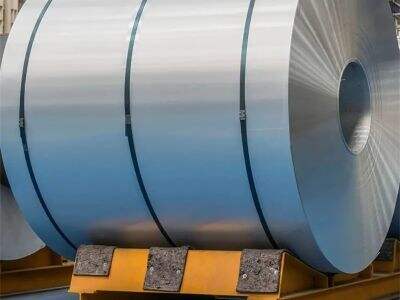
Installation Tips for Different Substrate Grades in PPGI Steel
Installing PPGI steel requires careful consideration of the substrate grades to ensure optimal performance
Preparation: Before installation, ensure that the surfaces are clean and free from contaminants. This is especially important for SGCC, as any dirt or grease can compromise the protective layer
Handling: Use appropriate lifting techniques to avoid bending or damaging the substrate during transport and installation. For thinner substrates like SPCC, extra caution is required to prevent deformation
Fastening: When securing PPGI steel, consider the use of compatible fasteners that prevent galvanic corrosion. Stainless steel fasteners are recommended for SGCC to maintain the integrity of the protective coating
Joint Design: Proper joint design is essential for maintaining the durability of the installation. Overlapping joints should be avoided where possible, as they can trap moisture and lead to corrosion
Following these installation tips can enhance the longevity and performance of PPGI steel in various applications
Substrate Grades Affecting PPGI Steel Pricing
Understanding how substrate grades influence pricing is critical for budget-conscious buyers. Several factors contribute to the overall cost of PPGI steel
Material Costs: The choice of substrate grade directly impacts material costs. SGCC, for example, is generally more expensive than SPCC due to the additional processing involved in galvanization
Thickness and Coating Weight: Thicker substrates and higher coating weights often lead to increased pricing. It's essential to assess the necessary specifications against your budget and project requirements
Customization and Order Size: Custom orders may incur additional fees, while larger orders can benefit from economies of scale. Discussing these factors with suppliers like Shandong Jiate Steel Co., Ltd. can help optimize costs while meeting project specifications
Market Conditions: Fluctuations in the steel market can affect pricing as well. Staying informed about market trends is beneficial for purchasing managers to negotiate better deals
By understanding these pricing factors, buyers can make more informed purchasing decisions when sourcing PPGI steel
Selecting the right substrate grade for PPGI steel involves careful consideration of application requirements, specifications, and pricing factors. By leveraging practical insights and collaborating with experienced manufacturers, buyers can ensure they choose the most suitable substrate grade for their needs