 EN
EN
 AR
AR
 BG
BG
 HR
HR
 CS
CS
 DA
DA
 NL
NL
 FI
FI
 FR
FR
 DE
DE
 EL
EL
 HI
HI
 IT
IT
 JA
JA
 KO
KO
 NO
NO
 PL
PL
 PT
PT
 RO
RO
 RU
RU
 ES
ES
 SV
SV
 TL
TL
 ID
ID
 UK
UK
 VI
VI
 SQ
SQ
 HU
HU
 TH
TH
 TR
TR
 BE
BE
 AZ
AZ
 LO
LO
 MN
MN
 MY
MY
 KK
KK
 SU
SU
 UZ
UZ
 KY
KY

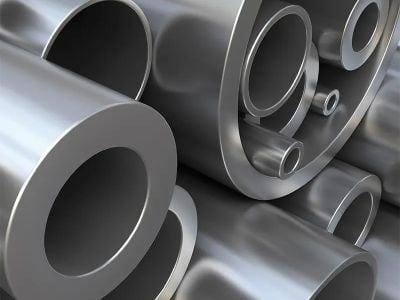
Hot dip galvanized steel is a critical material in many industrial applications, especially in environments that pose significant challenges to structural integrity. This article explores how hot dip galvanized steel performs in harsh industrial environments, addressing key buyer concerns, specifications, cost factors, and how to choose the right product. Understanding these aspects will help purchasing managers and engineers make informed decisions that meet their operational needs.
How Hot Dip Galvanized Steel Resists Corrosion in Tough Environments?
Hot dip galvanized steel (HDG) is renowned for its exceptional corrosion resistance, making it an ideal choice for harsh environments such as coastal areas, chemical processing plants, and heavy industrial sites. The process involves immersing steel in molten zinc, which forms a robust, bonded coating. This zinc layer not only protects the steel from moisture and corrosive agents but also sacrifices itself in the presence of corrosion, ensuring the underlying stainless steel sheet remains intact. In tough environments, factors like humidity, salt exposure, and industrial pollutants can accelerate corrosion. HDG's ability to withstand these conditions is particularly beneficial in applications such as outdoor structures, marine environments, and agricultural equipment. However, the effectiveness of this protection can depend on the coating thickness, which is measured in microns. Buyers should consider this specification carefully, as it directly impacts the longevity and performance of the steel in specific applications.
Key Specifications of Hot Dip Galvanized Steel for Wholesale Buyers
When sourcing hot dip galvanized steel, wholesale buyers should consider several key specifications to ensure the materials meet their project requirements. These specifications include:
Coating Thickness: Typically ranging from 45 to 100 microns, the thickness of the zinc layer is a critical factor in determining corrosion resistance. Thicker coatings provide better protection but may influence the overall weight and cost of the steel.
Steel Grade: Common grades include ASTM A53 for pipes and ASTM A992 for structural stain steel sheets. Each grade has different mechanical properties and is suited for various applications.
Dimensions: Buyers must specify the exact dimensions required for their projects, as this can affect load-bearing capacities and compatibility with existing structures.
Zinc Coating Process: Understanding the galvanizing process whether continuous or batch can impact lead times, costs, and the uniformity of the coating.
Surface Finish: Options for surface finishes can vary from smooth to rough, depending on the application and aesthetic requirements.
By confirming these specifications, buyers can ensure that the galvanized steel they procure will perform optimally in their intended applications.
Cost Considerations for Bulk Orders of Hot Dip Galvanized Steel
Pricing for hot dip galvanized steel can vary significantly based on several factors, including material costs, coating thickness, order volume, and market demand. Generally, bulk orders may benefit from economies of scale, which can reduce the per-unit cost. However, buyers should also factor in additional costs such as shipping, handling, and potential tariffs if importing from overseas. Another critical consideration is the total cost of ownership. While hot dip galvanized steel may have a higher upfront cost compared to untreated steel sheet stainless, its longevity and low maintenance needs can lead to significant savings over time. Buyers should evaluate the total lifecycle costs, including installation, maintenance, and replacement, to make a more informed purchasing decision. Lastly, when negotiating prices, consider requesting quotes from multiple suppliers and discussing options for customization or modifications based on specific project requirements. This can lead to better pricing arrangements and ensure a more tailored solution for your needs.
How to Choose the Right Hot Dip Galvanized Steel for Your Projects?
Selecting the right hot dip galvanized steel involves a blend of technical specifications and practical considerations related to the intended application. Here are some steps to guide your selection process:
Assess Environmental Conditions: Understand the specific environmental factors your project will face, such as exposure to chemicals, moisture levels, and temperature fluctuations. This will help determine the necessary coating thickness and type of steel grade.
Evaluate Load Requirements: Consider the structural loads that the galvanized steel will need to support. This is crucial for applications like construction and heavy machinery, where structural integrity is paramount.
Customization Needs: Determine if your project requires any specific modifications, such as custom lengths, bends, or surface treatments. Many manufacturers, including Shandong Jiate Steel Co., Ltd., offer customization capabilities to meet unique project specifications.
Review Manufacturer Specifications: Always request detailed technical specifications and certification documents from suppliers to ensure the materials meet industry standards and your project requirements.
Sample Approval: Before placing a bulk order, it is advisable to request a sample of the hot dip galvanized steel. This allows you to assess the quality, coating thickness, and overall suitability for your application. Testing under actual operating conditions can also reveal potential issues that might not be apparent from specifications alone.
By following these steps, buyers can make confident choices that align with their project goals and operational requirements.
Evaluating the Quality of Hot Dip Galvanized Steel Products
Quality evaluation of hot dip galvanized steel products is essential to ensure they meet performance expectations. Here are some key aspects to consider during the evaluation process:
Coating Inspection: Use methods such as visual inspection, coating thickness measurement, and adhesion tests to assess the integrity of the zinc coating. A consistent and uniform coating is critical for optimal corrosion resistance.
Mechanical Properties Testing: Verify that the steel meets the specified mechanical properties, including tensile strength and yield strength. This information is typically available in the product specifications from the manufacturer.
Surface Quality Checks: Inspect the surface for defects such as rust spots, blisters, or uneven coatings. Any irregularities can compromise the performance of the galvanized steel.
Certification Verification: Ensure the product comes with relevant certifications, such as ISO or ASTM standards, which verify the manufacturing processes and quality control measures in place.
Supplier Reputation: Research the supplier’s track record in the industry, including their experience and customer reviews. A reputable supplier is more likely to provide high-quality products that meet your specifications.
By systematically evaluating these quality indicators, buyers can mitigate risks associated with unsatisfactory products and ensure that the hot dip galvanized steel they procure will perform reliably in their intended applications.
Table of Contents
- How Hot Dip Galvanized Steel Resists Corrosion in Tough Environments?
- Key Specifications of Hot Dip Galvanized Steel for Wholesale Buyers
- Cost Considerations for Bulk Orders of Hot Dip Galvanized Steel
- How to Choose the Right Hot Dip Galvanized Steel for Your Projects?
- Evaluating the Quality of Hot Dip Galvanized Steel Products