 EN
EN
 AR
AR
 BG
BG
 HR
HR
 CS
CS
 DA
DA
 NL
NL
 FI
FI
 FR
FR
 DE
DE
 EL
EL
 HI
HI
 IT
IT
 JA
JA
 KO
KO
 NO
NO
 PL
PL
 PT
PT
 RO
RO
 RU
RU
 ES
ES
 SV
SV
 TL
TL
 ID
ID
 UK
UK
 VI
VI
 SQ
SQ
 HU
HU
 TH
TH
 TR
TR
 BE
BE
 AZ
AZ
 LO
LO
 MN
MN
 MY
MY
 KK
KK
 SU
SU
 UZ
UZ
 KY
KY

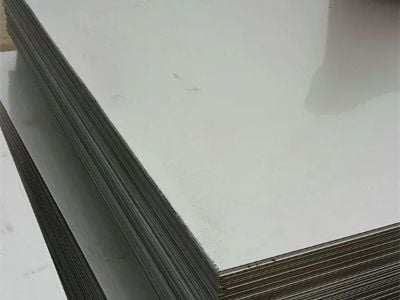
High-grade PPGI (Pre-Painted Galvanized Iron) steel is a popular choice in various industrial applications due to its durability, aesthetic appeal, and resistance to corrosion. Understanding what quality parameters define high-grade PPGI steel is essential for purchasing managers, engineers, and other B2B buyers to ensure they select the right materials for their projects. This article will delve into the critical specifications, cost considerations, common problems, advantages, and installation guidelines to help you make informed decisions.
Key Specifications for Reliable PPGI Steel Supply
When evaluating PPGI steel, several key specifications must be considered:
Thickness: The thickness of the steel sheet influences its strength and durability. Common thicknesses range from 0.3 mm to 1.2 mm. Selecting the right thickness is critical for applications requiring structural integrity and durability, such as roofing or wall cladding.
Coating Weight: The amount of zinc coating affects corrosion resistance. Galvanized steel typically has a coating weight of 80 g/m² to 275 g/m², with higher weights offering increased protection against rust and environmental factors.
Paint Type and Thickness: The type of paint and its thickness can impact both aesthetics and longevity. High-grade ppgi steel coil.
often features a polyester or PVDF (Polyvinylidene Fluoride) coating, with thicknesses from 15 µm to 35 µm. This enhances UV resistance, color retention, and overall durability.
Yield Strength: This is the stress at which the material begins to deform permanently. A yield strength of 250 MPa to 350 MPa is typical for high-grade PPGI steel, making it suitable for various structural applications.
Surface Finish: The surface finish, whether matte or glossy, affects not only the appearance but also the material's resistance to scratches and fading. Buyers should select finishes based on their application environment.
Understanding these specifications allows buyers to select PPGI steel that meets their specific project requirements and ensures optimal performance in their intended applications. 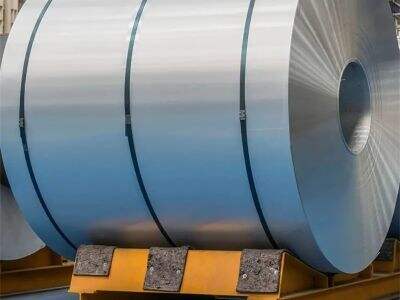
Cost Factors to Consider When Purchasing PPGI Steel
Several cost factors influence the pricing of PPGI steel, and being aware of these can help in budgeting and negotiation:
Material Costs: The base steel price fluctuates based on global market conditions. Prices may vary significantly based on the quality of steel, with high-grade materials typically commanding a premium due to their enhanced properties.
Coating and Finishing: The type and thickness of the coating directly affect the price. Higher coating weights and specialized finishes, such as PVDF, will increase costs but provide better protection and aesthetics.
Volume and MOQ: Bulk purchases often lead to lower unit costs. Buyers should consider the manufacturer's minimum order quantity (MOQ) to avoid excess costs on smaller orders.
Customization: Custom sizes, colors, and finishes may incur additional charges. Buyers should have clear specifications to minimize unexpected costs.
Transportation and Handling: Shipping costs can vary based on distance, weight, and packaging requirements. Properly assessing these factors can provide a more accurate total cost of ownership.
By evaluating these cost factors, purchasing managers can make more informed decisions and negotiate better terms.
Common Problems with PPGI Steel and Their Solutions
While PPGI steel offers numerous benefits, it can also present challenges that buyers should be aware of:
Corrosion: If the coating is damaged, corrosion can occur. Buyers should ensure that the steel is inspected for any scratches or flaws in the coating before installation. Regular maintenance and repainting can mitigate long-term damage.
Color Fading: Some lower-quality paints may fade over time, particularly in harsh environments. Selecting high-grade coatings with UV resistance can help maintain color integrity.
Denting and Scratching: PPGI steel can be susceptible to dents and scratches during transport and installation. Proper handling and protection during installation are crucial to prevent damage.
Welding Issues: PPGI steel can sometimes be challenging to weld due to the zinc coating. Buyers should consult with manufacturers on the best practices for welding, which may include removing the coating in the welding area.
Identifying these potential problems and understanding their solutions can help buyers avoid costly mistakes and ensure the longevity of their projects.
Advantages of High-Grade PPGI Steel in Industrial Applications
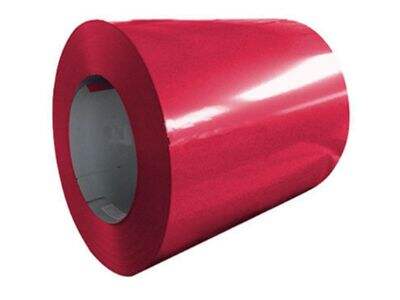
High-grade Ppgi steel coils offers several advantages that make it a preferred choice in various industrial applications:
Durability: With proper coating and thickness, PPGI steel exhibits excellent resistance to corrosion, making it suitable for outdoor applications such as roofing, fencing, and cladding.
Aesthetic Appeal: The availability of various colors and finishes improves the visual aspects of buildings, enhancing their marketability and appeal.
Lightweight: PPGI steel is lighter than traditional materials like aluminum or stainless steel, making it easier and more cost-effective to transport and install.
Cost-Effectiveness: The long lifespan and low maintenance needs of high-grade PPGI steel can result in lower total lifecycle costs compared to other materials.
Versatility: PPGI steel can be used in diverse applications, from residential roofing to large-scale industrial projects, making it a flexible choice for manufacturers and builders alike.
These advantages make high-grade PPGI steel a smart investment for industrial applications, combining performance with cost efficiency.
Installation Guidelines for Optimal Performance of PPGI Steel
To ensure optimal performance and longevity of PPGI steel, buyers should follow these installation guidelines:
Surface Preparation: Ensure that surfaces are clean, dry, and free from debris before installation. This will enhance adhesion and prevent corrosion.
Handling: Use appropriate lifting equipment to avoid dents and scratches. Avoid dragging PPGI sheets across rough surfaces during transport.
Fastening: Use compatible fasteners to prevent galvanic corrosion. Stainless steel or coated screws are recommended to maintain the integrity of the coating.
Sealing: If welding is necessary, ensure that the weld area is properly sealed and painted after the process to prevent corrosion.
Ventilation: Ensure that there is adequate space for air circulation in installations to prevent moisture buildup, which can lead to corrosion.
By adhering to these guidelines, buyers can maximize the performance and lifespan of their PPGI steel installations.
Understanding these critical elements will empower B2B buyers to make informed, strategic decisions when sourcing high-grade PPGI steel, ensuring their projects meet quality and performance standards.