 EN
 AR
 BG
 HR
 CS
 DA
 NL
 FI
 FR
 DE
 EL
 HI
 IT
 JA
 KO
 NO
 PL
 PT
 RO
 RU
 ES
 SV
 TL
 ID
 UK
 VI
 SQ
 HU
 TH
 TR
 BE
 AZ
 LO
 MN
 MY
 KK
 SU
 UZ
 KY

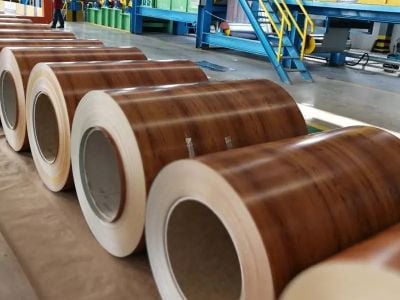
Understanding the inspection standards that apply to galvanized iron (GI) steel products is crucial for businesses in the manufacturing and construction sectors. These standards ensure that the materials meet specific quality and safety requirements, which is vital for performance and longevity. This article will help purchasing managers, distributors, and engineers identify the essential inspection standards for GI steel products, understand key parameters, and address common challenges encountered during the inspection process.
What Inspection Standards Are Essential for GI Steel Products?
Inspection standards for GI steel products are designed to verify the quality, performance, and safety of the materials used in various applications. The primary standards include those set by organizations such as ASTM International and ISO (International Organization for Standardization).
ASTM A123/A123M: This standard covers specifications for zinc (hot-dip galvanized) coatings on iron and steel products. It stipulates the minimum coating thickness and quality of the coating to ensure corrosion resistance.
ISO 1461: This international standard specifies the requirements for hot-dip galvanized coatings, including their thickness and adherence to the substrate.
EN 10240: This European standard outlines the requirements for the protection of steel and iron products using zinc coatings, focusing on the performance of the coatings in various environments.
Adhering to these standards is critical for ensuring that ppgi steel coil products will function correctly in their intended applications, particularly in construction and structural applications where material failure could have significant consequences.
Key Inspection Standards for GI Steel Products
When sourcing GI steel products, it is important to consider the following key inspection standards and specifications:
Coating Thickness: The thickness of the galvanization layer is crucial for corrosion resistance. It should meet the minimum requirements outlined in ASTM A123. For example, a thickness of at least 85 microns is often required for structural applications.
Visual Inspection: This includes checking for uniformity of the coating, absence of defects, and any signs of rust or corrosion. Visual inspections can help identify issues before the materials are put into service.
Adhesion Tests: Ensuring that the galvanized coating adheres properly to the substrate is vital. The coating should withstand various tests such as the cross-cut test, which evaluates the adhesion of the coating to the steel surface.
Impact Resistance: gi steel products often undergo impact tests to ensure they can withstand physical stress during handling and installation.
Chemical Composition: Verification of the chemical composition of the steel is essential to ensure it meets specified grades and standards. This includes checking for carbon content and the presence of alloying elements.
By understanding and applying these inspection standards, companies can ensure they select high-quality GI steel products that meet their operational requirements.
Compare Inspection Standards for GI Steel Products in Bulk Orders
When purchasing GI steel products in bulk, it is crucial to compare the inspection standards and processes from different suppliers. This can help mitigate risks associated with quality inconsistencies. Here are some factors to consider:
Supplier Certifications: Check if suppliers hold certifications for quality management systems like ISO 9001. This indicates that they adhere to international quality standards throughout their production processes.
Inspection Frequency: Understand how often the supplier conducts inspections during production. Regular inspections can lead to early detection of potential issues and ensure consistent quality.
Testing Reports: Request detailed testing reports that outline the results of the specified inspections, including coating thickness, adhesion tests, and visual assessments. This documentation can provide assurance of compliance with standards.
Third-party Inspections: Some companies opt for third-party inspectors who can provide unbiased evaluations of the GI steel products. This adds an additional layer of trust in the quality assurance process.
By comparing these factors, businesses can make informed decisions and select suppliers that consistently deliver high-quality GI steel products.
What Are Common Problems with GI Steel Products and Their Solutions?
Common issues encountered with GI steel products include:
Inadequate Coating Thickness: A coating that is too thin can lead to premature rusting and corrosion.
Solution: Always verify coating thickness through test reports and enforce strict adherence to ASTM A123 specifications.
Poor Adhesion: If the galvanized coating does not adhere well to the steel, it can peel or flake off, compromising corrosion protection.
Solution: Conduct adhesion tests as part of the quality control process and communicate any issues to the supplier immediately.
Surface Defects: Visual defects such as blisters, rust spots, or uneven coating can affect the aesthetic and functional qualities of the steel.
Solution: Implement a thorough visual inspection process and reject any products that do not meet the visual standards.
Rust Formation: Even with galvanization, exposure to harsh environments can lead to rust if the coating is damaged.
Solution: Ensure that the products are packaged and shipped properly to avoid damage during transport, and consider additional protective coatings for high-risk environments.
By being aware of these common problems and their solutions, buyers can take proactive measures to ensure the quality and reliability of their GI steel products.
Ensuring Compliance with GI Steel Standards
To ensure compliance with GI steel standards, buyers should follow these best practices:
Pre-Order Requirements: Clearly outline the specifications required for the GI steel products in the initial request for quotation (RFQ). This should include material grade, coating thickness, and any relevant standards.
Sample Approval: Before committing to a bulk order, request samples from the supplier. Inspect these samples to ensure they meet your quality expectations and specifications.
Continuous Communication: Maintain open lines of communication with suppliers throughout the ordering process. Discuss any potential issues that arise and ensure they understand your quality requirements.
Regular Audits: If you have a long-term relationship with a supplier, consider conducting regular audits of their production processes to ensure ongoing compliance with the required standards.
Feedback Loop: After receiving the products, provide feedback to the supplier regarding quality and performance. This can help them improve and aligns their production processes with your expectations.
By implementing these practices, businesses can enhance their compliance with PPGI steel standards and ensure that their products consistently meet the required quality specifications.