 EN
EN
 AR
AR
 BG
BG
 HR
HR
 CS
CS
 DA
DA
 NL
NL
 FI
FI
 FR
FR
 DE
DE
 EL
EL
 HI
HI
 IT
IT
 JA
JA
 KO
KO
 NO
NO
 PL
PL
 PT
PT
 RO
RO
 RU
RU
 ES
ES
 SV
SV
 TL
TL
 ID
ID
 UK
UK
 VI
VI
 SQ
SQ
 HU
HU
 TH
TH
 TR
TR
 BE
BE
 AZ
AZ
 LO
LO
 MN
MN
 MY
MY
 KK
KK
 SU
SU
 UZ
UZ
 KY
KY

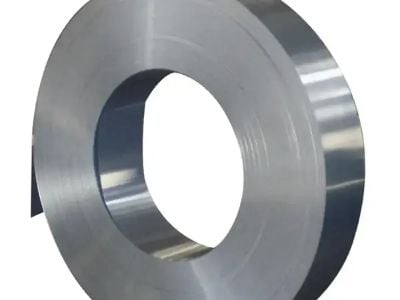
Continuous galvanizing is a critical process in the steel manufacturing industry, particularly for producing galvanized steel products known for their corrosion resistance and durability. This article will explore how GI steel is manufactured through continuous galvanizing, addressing key buyer concerns such as production quality, cost factors, and practical applications. By gaining a deeper understanding of the continuous galvanizing process, purchasing managers, engineers, and product managers can make informed decisions regarding their procurement of GI steel products like Gi coil galvanized steel.
Comparing Cost Factors for Continuous Galvanized Steel Products
When evaluating the cost of continuous galvanized steel products, several factors come into play. Firstly, the raw material cost specifically, the price of steel and zinc can significantly influence overall pricing. The thickness and quality of the steel, along with the zinc coating's weight, determine the final material cost. Buyers should also consider the manufacturing process's efficiency; a streamlined continuous galvanizing line can reduce production time and labor costs, ultimately affecting the unit price.
Additionally, factors such as order volume and delivery logistics can impact pricing. Bulk orders often come with price breaks, while shipping distances may incur varying freight costs. It's advisable for buyers to request detailed quotations that break down these elements, allowing for transparent comparisons among suppliers.
Installation Guidance for Contractors Using GI Steel Products
Contractors using GI steel products must be aware of several installation considerations to ensure optimal performance. The first step is confirming the compatibility of gi coil with other materials used in the project. For example, when joining galvanized steel with non-galvanized components, corrosion can occur due to galvanic reactions. It is crucial to use compatible fasteners and connectors to mitigate this risk.
When handling and installing GI steel, contractors should also consider the environmental conditions of the installation site. Humidity, temperature fluctuations, and exposure to harsh chemicals can affect the longevity of the galvanized coating. Proper sealing and protective measures during installation will enhance the lifespan of the product. Finally, ensuring that the installation adheres to local building codes and regulations is essential for compliance and safety.
Common Problems with GI Steel and Effective Solutions
While GI steel products offer numerous advantages, they are not without potential issues. One common problem is the formation of rust if the galvanized coating is damaged or improperly applied. This can occur during shipping, handling, or installation. To mitigate this, buyers should inspect the products upon delivery and ensure they are free from scratches or defects that could compromise the coating.
Another issue can arise from poor adhesion of the zinc coating, leading to premature failure of the galvanized finish. Buyers should request information about the manufacturer's quality control processes, particularly regarding the coating thickness and adhesion tests. If problems arise post-installation, applying a touch-up galvanizing compound can help restore protection to the affected areas.
Evaluating Material Advantages of Continuous Galvanized Steel
Continuous galvanized steel presents several advantages that make it an attractive choice for various applications. One of the primary benefits is its corrosion resistance, which extends the product's lifespan and reduces maintenance costs. The continuous galvanizing process ensures a uniform coating, providing consistent protection across the entire surface of the steel.
Additionally, GI steel products can be customized to fit specific project requirements. Buyers can specify dimensions, coating thickness, and even surface finishes, allowing for flexibility in design and application. This adaptability makes continuous galvanized steel suitable for industries ranging from construction to automotive manufacturing, where durability and performance are paramount.
Moreover, GI steel's excellent weldability and formability allow for easy integration into various structures and components. Contractors and engineers can work with the material efficiently, facilitating faster project timelines and reducing labor costs.
Where to Find Trusted Suppliers for Bulk GI Steel Orders
Finding a reliable supplier for bulk GI steel orders is essential for ensuring consistent quality and timely delivery. Buyers should start by researching manufacturers with a proven track record in the industry, focusing on their production capabilities and quality control processes. Look for gi steel suppliers that have experience in continuous galvanizing and can provide certifications or test reports verifying the quality of their products.
Networking within industry associations or trade shows can also be beneficial in identifying reputable suppliers. Engaging with peers and asking for recommendations can lead to trustworthy contacts. Additionally, buyers should request samples and perform quality inspections before placing large orders. This step allows for firsthand evaluation of the product's performance and adherence to specifications.
Finally, consider the supplier's customer service and support capabilities. A responsive supplier that can address concerns and provide technical assistance will enhance the purchasing experience and ensure that any issues can be resolved promptly.
By understanding the manufacturing process of continuous galvanized steel, including cost factors, installation considerations, common problems, material advantages, and supplier selection, B2B buyers can make informed decisions that meet their operational needs and ensure the longevity of their projects.