 EN
EN
 AR
AR
 BG
BG
 HR
HR
 CS
CS
 DA
DA
 NL
NL
 FI
FI
 FR
FR
 DE
DE
 EL
EL
 HI
HI
 IT
IT
 JA
JA
 KO
KO
 NO
NO
 PL
PL
 PT
PT
 RO
RO
 RU
RU
 ES
ES
 SV
SV
 TL
TL
 ID
ID
 UK
UK
 VI
VI
 SQ
SQ
 HU
HU
 TH
TH
 TR
TR
 BE
BE
 AZ
AZ
 LO
LO
 MN
MN
 MY
MY
 KK
KK
 SU
SU
 UZ
UZ
 KY
KY

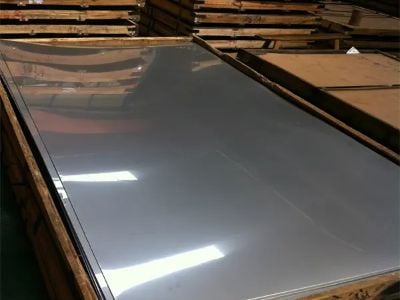
Understanding how GI steel performs during cutting and forming processes is crucial for B2B buyers, specifically those involved in manufacturing and engineering. This article addresses key specifications and practical considerations that influence the performance of GI steel in various applications. By exploring these aspects, purchasing managers and engineers can make informed decisions when selecting materials for their projects, ensuring compatibility with manufacturing processes and cost-effectiveness
Key Specifications of GI Steel for Optimal Performance
GI steel, or galvanized iron Steel, is known for its corrosion resistance and durability, making it an ideal choice for various industrial applications. Key specifications that determine the performance of GI steel during cutting and forming processes include the thickness of the zinc coating, the base metal's tensile strength, and the ductility of the material
Zinc Coating Thickness: The zinc coating acts as a barrier against corrosion, and its thickness can significantly impact the steel's longevity. A standard gauge for GI steel is typically between 40 and 275 grams per square meter. Buyers should verify the coating thickness based on the environmental conditions expected in the application, as more corrosive environments may require thicker coatings for optimal protection
Tensile Strength: The tensile strength of GI steel influences its ability to withstand pulling forces during cutting and forming. Common tensile strength values range from 250 MPa to over 600 MPa, depending on the specific alloy and processing method. Buyers should consider the required tensile strength based on the expected loads and stresses in their applications
Ductility: Ductility refers to the material's ability to deform without breaking. This property is essential for successful forming processes, as higher ductility allows for more intricate designs and shapes without compromising structural integrity. Evaluating the ductility of GI steel can help prevent issues such as cracking during bending or shaping operation
Understanding these specifications helps buyers assess the suitability of GI steel for their cutting and forming needs, ensuring that they select a product that meets performance requirements
Cost Considerations for Bulk Orders of GI Steel Products
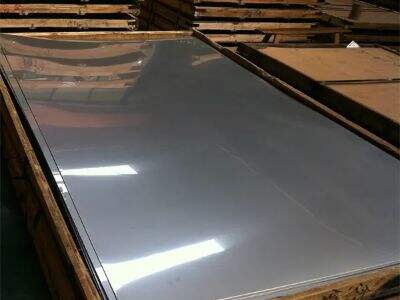
When purchasing GI steel in bulk, cost considerations become a primary concern for many B2B buyers. Factors that can influence pricing include material specifications, order volume, and supplier capabilities
Material Specifications: Higher-quality GI steel with enhanced properties, such as thicker coatings or superior tensile strength, typically comes at a higher price. Buyers must weigh the long-term benefits of investing in higher-quality materials against initial cost savings
Order Volume: Bulk orders generally lead to lower per-unit costs due to economies of scale. However, buyers should confirm the minimum order quantities (MOQ) with suppliers and consider negotiating pricing based on larger orders to maximize savings
Supplier Capabilities: The manufacturer’s production capacity and customization options can also impact costs. Suppliers with advanced processing equipment may offer more efficient production methods, potentially reducing costs. It is advisable for buyers to evaluate multiple suppliers to find the best combination of price and quality for their needs
By considering these cost factors, buyers can better strategize their purchasing decisions to align with their project budgets while ensuring quality
Where to Source High-Quality GI Steel for Your Projects
Sourcing high-quality GI steel involves identifying reliable suppliers that can meet specific project requirements. Buyers should consider the following approaches
Industry Associations and Directories: Utilizing industry-specific directories and associations can help identify reputable suppliers in the steel manufacturing sector. These resources often list manufacturers with a proven track record and customer reviews
Trade Shows and Exhibitions: Attending industry trade shows provides an opportunity to meet steel manufacturers face-to-face, allowing buyers to assess product quality firsthand. Trade shows often showcase the latest innovations in steel technology, which may benefit future projects
Supplier Certifications: When evaluating potential suppliers, buyers should look for certifications that indicate adherence to quality standards, such as ISO certifications or compliance with industry-specific regulations. These certifications can provide assurance of the supplier's commitment to quality and reliability
By strategically sourcing GI steel, buyers can ensure they are working with suppliers that meet their quality and performance expectations
Working with GI Steel in Industrial Applications
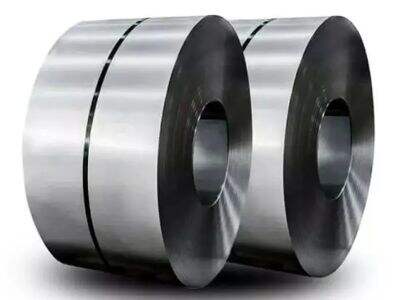
GI steel's versatility makes it suitable for a wide range of industrial applications, including construction, automotive, and manufacturing. Understanding the specific requirements for working with GI steel can enhance project outcomes
Cutting Techniques: The choice of cutting method, whether shearing, laser cutting, or water jet cutting, can influence the quality of the finished product. It is essential to select a cutting technique that suits the thickness and specifications of the GI steel being used. For instance, laser cutting can provide precision for intricate designs, while shearing may be more cost-effective for thicker materials
Forming Processes: Bending and shaping GI steel require consideration of its ductility and tensile strength. The use of appropriate tooling and machinery is crucial to avoid defects. For example, using a press brake with the correct tonnage ensures that the metal is formed without cracking. It is advisable for manufacturers to conduct preliminary tests on samples before mass production to identify any potential issues
Surface Treatment: Depending on the application, additional surface treatments such as painting or powder coating may be required to enhance corrosion resistance or aesthetics. Buyers should confirm compatibility between the GI steel and any additional treatments to ensure long-term performance
By understanding these factors, buyers can effectively integrate GI steel into their industrial applications, optimizing both performance and cost
Evaluating the Quality of GI Steel for Manufacturing Needs
Quality evaluation of GI steel is vital to ensure that it meets the necessary standards for manufacturing applications. Here are key considerations for assessing quality
Visual Inspection: A thorough visual inspection can reveal surface defects such as rust, pitting, or inconsistent coating. Buyers should look for uniformity in appearance and ensure that the zinc coating is consistent across the surface area
Mechanical Testing: Conducting mechanical tests, such as tensile testing and bend tests, can provide insights into the material's performance under stress. Buyers should request test reports from suppliers to verify that the GI steel meets specified standards
Sample Approval: Before mass production, buyers should always request a sample for approval. This step allows for verification of dimensions, surface finish, and performance under expected working conditions. It is crucial to test the sample in actual application scenarios to identify potential issues early in the process
By following these evaluation steps, buyers can ensure that the GI steel they select aligns with their manufacturing needs, reducing the risk of costly production errors