 EN
EN
 AR
AR
 BG
BG
 HR
HR
 CS
CS
 DA
DA
 NL
NL
 FI
FI
 FR
FR
 DE
DE
 EL
EL
 HI
HI
 IT
IT
 JA
JA
 KO
KO
 NO
NO
 PL
PL
 PT
PT
 RO
RO
 RU
RU
 ES
ES
 SV
SV
 TL
TL
 ID
ID
 UK
UK
 VI
VI
 SQ
SQ
 HU
HU
 TH
TH
 TR
TR
 BE
BE
 AZ
AZ
 LO
LO
 MN
MN
 MY
MY
 KK
KK
 SU
SU
 UZ
UZ
 KY
KY

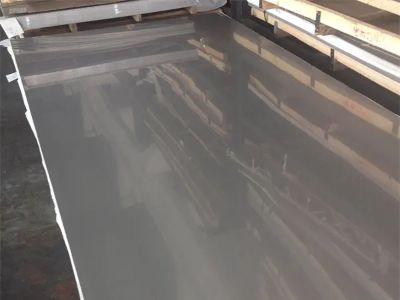
Understanding how GI steel surface treatment affects fabrication results is crucial for buyers in the manufacturing and construction sectors. This process enhances the steel's performance characteristics, which directly influences product quality, durability, and cost-effectiveness. As buyers evaluate options for steel products, they often have concerns about quality, application suitability, and sourcing reliable suppliers. This article will explore the fundamentals of GI steel surface treatment, its key specifications, sourcing strategies, common fabrication challenges, and the benefits it offers to distributors and contractors
How GI Steel Surface Treatment Enhances Product Quality for Buyers
GI steel surface treatment refers to the various processes applied to galvanized Steel to improve its surface characteristics. These treatments can significantly enhance the quality of products by providing corrosion resistance, improving aesthetic appeal, and increasing adhesion for further processing. For example, polishing can remove surface imperfections and contaminants, ensuring a clean, smooth finish that is crucial for applications requiring tight tolerances
Buyers should consider that the effectiveness of these treatments is often reflected in the final product’s lifespan and maintenance requirements. A well-treated GI steel product can reduce the need for frequent replacements and repairs, thereby lowering total cost over time. Additionally, surface treatments can improve the performance of paint and coatings, leading to better visual and structural outcomes in the end products
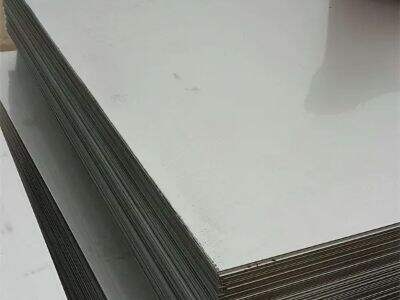
Key Specifications of GI Steel Surface Treatments for Wholesale Orders
When procuring GI steel, understanding the key specifications of surface treatments is essential. Important factors include
Thickness of Coating: The thickness of the zinc coating affects corrosion resistance. A thicker layer provides better protection, particularly in harsh environments
Surface Profile: The surface finish (smooth, rough, or textured) impacts adhesion properties for further coatings or treatments
Chemical Composition: The alloying elements in the zinc can influence the performance characteristics of the galvanized steel, affecting factors like ductility and weldability
Standard Compliance: Ensuring that the steel meets relevant standards, such as ASTM A123 for hot-dip galvanized coatings, is necessary for quality assurance
Before placing a wholesale order, buyers should confirm these specifications align with their project requirements. This ensures that the materials ordered will perform as needed in their specific applications
Where to Source Reliable GI Steel Suppliers for Your Projects
Sourcing reliable GI steel suppliers begins with identifying manufacturers with a proven track record in quality and service. Look for suppliers that
Have Established Manufacturing Capabilities: Check if the supplier offers advanced production methods and quality control processes, which can assure you of consistent product quality
Provide Customization Options: Suppliers that can tailor products to meet specific project needs—such as size, shape, and surface treatment—are invaluable
Possess Relevant Certifications: Certifications such as ISO 9001 or ISO 14001 can indicate a commitment to quality and environmental management
Building relationships with suppliers who understand your industry’s challenges can lead to more successful sourcing experiences. Attending industry trade shows and networking events can also be beneficial in finding trustworthy partners
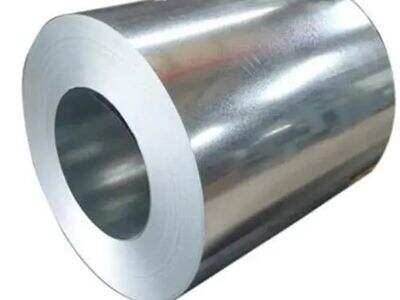
Common Problems in Fabrication and Solutions with GI Steel Applications
Fabrication with GI steel can present various challenges, including
Welding Issues: The presence of zinc can create difficulties when welding GI steel, leading to compromised joints. Using appropriate welding techniques, such as pre-heating or selecting suitable filler materials, can mitigate these issues
Corrosion During Fabrication: If not handled properly, GI steel can corrode before it is put to use. Ensuring that materials are stored in a dry environment and are handled with care can prevent premature corrosion
Dimensional Accuracy: Variations in the surface treatment can affect the dimensions of the final product. Close attention to specification details during the ordering process can help ensure the right tolerances are achieved
Identifying these potential problems early allows buyers and fabricators to implement solutions that maintain product integrity and performance
The Benefits of GI Steel Surface Treatment for Distributors and Contractors
For distributors and contractors, the benefits of GI steel surface treatment extend beyond product quality. These advantages include
Improved Durability: Treated GI steel is less prone to rust and wear, reducing the need for replacements—a key consideration for contractors focused on long-term project viability
Cost Efficiency: The reduced maintenance and replacement needs of well-treated GI steel can lead to substantial cost savings over the lifespan of a project
Enhanced Performance in Diverse Conditions: Whether in construction, manufacturing, or other applications, treated GI steel can better withstand environmental stresses, making it suitable for a wide range of uses
Distributors can leverage the quality and performance of treated GI steel to offer their clients superior products, thereby enhancing their market reputation and client trust
In summary, understanding how GI steel surface treatment affects fabrication results is vital for making informed purchasing decisions. By focusing on specifications, sourcing reliable suppliers, addressing common fabrication challenges, and recognizing the benefits of these treatments, buyers can enhance their project outcomes and build long-lasting relationships with manufacturers and distributors
Table of Contents
- How GI Steel Surface Treatment Enhances Product Quality for Buyers
- Key Specifications of GI Steel Surface Treatments for Wholesale Orders
- Where to Source Reliable GI Steel Suppliers for Your Projects
- Common Problems in Fabrication and Solutions with GI Steel Applications
- The Benefits of GI Steel Surface Treatment for Distributors and Contractors