 EN
 AR
 BG
 HR
 CS
 DA
 NL
 FI
 FR
 DE
 EL
 HI
 IT
 JA
 KO
 NO
 PL
 PT
 RO
 RU
 ES
 SV
 TL
 ID
 UK
 VI
 SQ
 HU
 TH
 TR
 BE
 AZ
 LO
 MN
 MY
 KK
 SU
 UZ
 KY

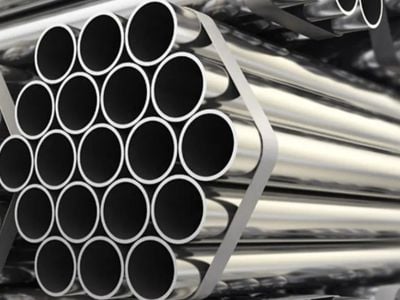
The manufacturing landscape for galvanized tubing is evolving rapidly, driven by advancements in technology and changing market demands. As a key component in various industrial applications, galvanized tubing requires careful consideration of factors such as material quality, manufacturing processes, and supplier reliability. This article explores the latest trends in galvanized tubing manufacturing, helping B2B buyers make informed decisions by addressing their primary concerns regarding sourcing, cost factors, product specifications, and installation challenges.
Latest Innovations in Galvanized Tubing Manufacturing Processes
Recent innovations in galvanized tubing manufacturing have significantly enhanced efficiency and product quality. One notable trend is the adoption of automated production lines, which minimize human error and improve consistency. These automated systems utilize advanced robotics and precise welding technologies, ensuring uniformity in dimensions and strength across batches.
Additionally, manufacturers are increasingly using advanced surface treatment techniques to enhance corrosion resistance. Innovations like hot-dip galvanizing produce a thicker zinc coating, offering superior protection against rust and extending the lifespan of the tubing in harsh environments. Furthermore, the integration of real-time monitoring systems allows manufacturers to track the quality of the galvanized finish during production, enabling immediate adjustments to maintain high standards.
Another important innovation is the move towards sustainable practices. Many manufacturers are exploring eco-friendly materials and processes, aiming to reduce waste and energy consumption. This not only meets regulatory pressures but also appeals to environmentally conscious buyers seeking sustainable sourcing options.
Where to Source Reliable Suppliers for Galvanized Tubing
Finding reliable suppliers for galvanized tubing involves several strategic considerations. First, evaluate suppliers based on their manufacturing capabilities, including equipment quality, production capacity, and certifications. Companies like Shandong Jiate Steel Co., Ltd. are known for their comprehensive production capabilities, from steel pipe manufacturing to processing services like polishing and cutting.
Next, consider the supplier's experience in your specific industry. Suppliers with a proven track record in sectors such as construction, automotive, or agriculture will understand the unique requirements of those applications and can better meet your needs. Additionally, checking for industry certifications can provide assurance of quality and compliance with international standards.
Networking within industry associations or attending trade shows can also yield valuable connections to reputable suppliers. Engaging directly with potential partners can facilitate discussions about customization capabilities and allow you to assess their responsiveness and willingness to collaborate.
Comparing Cost Factors for Galvanized Tubing Bulk Orders
When it comes to bulk orders of galvanized tubing, several cost factors come into play. The price per unit typically decreases with larger quantities, but buyers should also consider the following elements:
Material Quality: The choice between carbon steel and stainless steel for the base material can significantly impact pricing. Higher-quality materials may incur higher initial costs but can lead to cost savings in terms of maintenance and longevity.
Manufacturing Complexity: Custom requirements, such as specific lengths, diameters, or surface finishes, can influence production costs. Ensure that any customizations are clearly communicated during the quotation process to avoid unexpected expenses.
Logistics and Shipping: Freight costs can vary based on the destination and volume of the order. Understanding the total landed cost, including shipping and handling, is critical when evaluating supplier quotes.
Lead Time: Suppliers may offer different pricing tiers based on production speed. While expedited services can be beneficial, they often come at a premium. Balancing lead time with cost is essential for effective project management.
Payment Terms: Negotiating favorable payment terms can also affect cash flow and overall costs. Discussing options for payment schedules may provide financial flexibility and enhance supplier relationships.
Key Specifications to Evaluate in Galvanized Tubing Products
Before placing an order for galvanized tubing, buyers should thoroughly evaluate key specifications to ensure product suitability for their applications. Important specifications include:
Thickness of the Zinc Coating: This determines the level of corrosion resistance. Buyers should verify that the coating meets industry standards for their specific environment, as inadequate thickness may lead to premature failure.
Dimensional Accuracy: Tubing should meet precise dimensional tolerances to ensure compatibility with existing systems. Buyers should request detailed specifications and may consider sample testing to confirm that dimensions adhere to project requirements.
Mechanical Properties: Understanding tensile strength, yield strength, and elongation is crucial for applications requiring load-bearing capabilities. Buyers should confirm that these properties align with the intended use to avoid structural failures.
Surface Finish: The quality of the surface treatment affects both aesthetics and performance. Buyers should specify whether a smooth or textured finish is preferred, as this can impact installation methods and overall product durability.
Chemical Composition: Knowing the chemical makeup of the tubing can help assess its suitability for specific environments, especially where exposure to corrosive substances is a concern.
Common Installation Problems with Galvanized Tubing and Solutions
Installation issues can arise with galvanized tubing, potentially leading to project delays and increased costs. Here are some common problems and practical solutions:
Misalignment: Tubing that is not aligned correctly can result in stress concentrations and structural weaknesses. To mitigate this, ensure that all fittings and connectors are compatible and that proper measurement tools are used during installation. Conducting a dry fit before final assembly can help identify potential alignment issues.
Corrosion at Cut Edges: When hot dipped galvanized coil tubing is cut, the exposed edges can be prone to corrosion. To address this, apply a zinc-rich paint or cold galvanizing compound to the cut edges immediately after cutting to restore protection.
Inadequate Support: Insufficient support can lead to sagging or bending under load. It is essential to follow manufacturer recommendations for spacing and support brackets to ensure that the tubing can sustain anticipated loads without deformation.
Improper Joining Techniques: Using incorrect welding or joining techniques can weaken connections. Ensure that the installation team is trained in appropriate methods for joining galvanized sheet coil tubing, whether through welding or mechanical fittings, to maintain structural integrity.
By addressing these common installation challenges proactively, buyers can ensure smoother project execution and enhance the performance of their galvanized tubing systems.
navigating the complexities of galvanized tubing manufacturing requires a solid understanding of the latest trends, specifications, and potential challenges. By focusing on these key areas, B2B buyers can make informed purchasing decisions that align with their project requirements and operational goals.
Table of Contents
- Latest Innovations in Galvanized Tubing Manufacturing Processes
- Where to Source Reliable Suppliers for Galvanized Tubing
- Comparing Cost Factors for Galvanized Tubing Bulk Orders
- Key Specifications to Evaluate in Galvanized Tubing Products
- Common Installation Problems with Galvanized Tubing and Solutions