 EN
EN
 AR
AR
 BG
BG
 HR
HR
 CS
CS
 DA
DA
 NL
NL
 FI
FI
 FR
FR
 DE
DE
 EL
EL
 HI
HI
 IT
IT
 JA
JA
 KO
KO
 NO
NO
 PL
PL
 PT
PT
 RO
RO
 RU
RU
 ES
ES
 SV
SV
 TL
TL
 ID
ID
 UK
UK
 VI
VI
 SQ
SQ
 HU
HU
 TH
TH
 TR
TR
 BE
BE
 AZ
AZ
 LO
LO
 MN
MN
 MY
MY
 KK
KK
 SU
SU
 UZ
UZ
 KY
KY

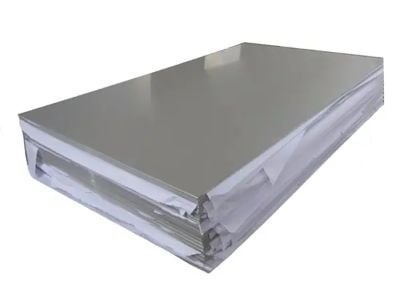
The production of galvanized iron (GI) steel involves several key factors, one of which is the role of spangle patterns. These patterns not only affect the aesthetic quality of the steel but also have implications for its performance and durability in various applications. For B2B buyers, understanding the significance of spangle patterns in GI steel production is crucial for ensuring that the products meet specific quality requirements. This article will explore how spangle patterns impact GI steel quality, guide buyers in sourcing reliable suppliers, outline key specifications to consider, discuss common installation challenges, and highlight the various applications of GI steel with spangle patterns
How Spangle Patterns Affect the Quality of GI Steel Products
Spangle patterns in GI steel are formed during the galvanization process, where zinc is applied to the surface of the steel to prevent corrosion. These patterns can either be fine, regular, or large, depending on several factors, including the cooling rate and the chemical composition of the zinc bath
The quality of the spangle pattern can significantly influence the mechanical properties of the steel. For example, a uniform spangle pattern generally indicates consistent coating thickness, which is essential for effective corrosion resistance. Conversely, irregular or overly large spangles may indicate uneven coating, potentially leading to areas of vulnerability where corrosion could initiate
For buyers, it's important to evaluate the spangle pattern during quality inspections. Inspecting for uniformity and size can provide insights into the steel's performance and longevity in its intended application. Additionally, understanding the spangle pattern can help purchasing managers gauge the aesthetic appeal of the finished product, which can be vital for applications where appearance matters
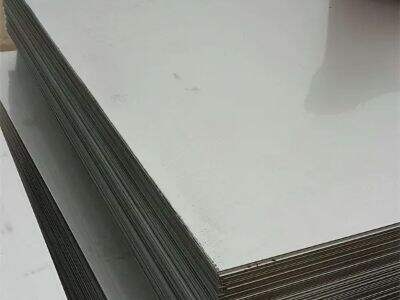
Where to Find Reliable Suppliers for GI Steel with Spangle Patterns
Identifying trustworthy suppliers for GI steel with specific spangle patterns involves several steps. Buyers should begin by researching manufacturers with a proven track record in producing galvanized steel. Key factors to consider include
Manufacturing Capabilities: Look for suppliers who have advanced galvanization equipment and quality control processes in place. Companies like Shandong Jiate Steel Co., Ltd. offer comprehensive manufacturing capabilities, including various steel processing services that can accommodate specific buyer requirements
Certifications: Check if the supplier has relevant industry certifications that demonstrate compliance with quality standards. Certifications can indicate a commitment to maintaining high production practices
Product Range: A reliable supplier should offer a range of GI steel products with different spangle patterns. This flexibility allows buyers to select products that best meet their project specifications
Customer Reviews and Case Studies: Investigate customer feedback and case studies to understand the supplier's reliability and product performance in real-world applications
Sample Requests: Before placing a bulk order, request samples to evaluate the spangle quality and overall product characteristics. This can help ensure that the materials meet your expectations before committing to a larger purchase
Key Specifications to Consider for GI Steel with Spangle Patterns
When sourcing GI steel with spangle patterns, buyers should consider several critical specifications that can affect the quality and suitability of the products for their intended application
Thickness: The thickness of the galvanization layer is crucial for protection against corrosion. A minimum thickness of 45 microns is typically recommended for standard applications, but this can vary based on the environment in which the steel will be used
Spangle Size and Type: As mentioned earlier, the size and type of spangle can affect both aesthetic and functional properties. Buyers should specify whether they require small, regular, or large spangles based on their application
Chemical Composition: Understanding the chemical composition of the galvanized layer is essential. Zinc purity and the presence of alloys can influence the durability and corrosion resistance of the steel
Mechanical Properties: Specifications such as yield strength and tensile strength must be evaluated, especially for structural applications where load-bearing capacity is a concern
Surface Treatment: Some applications may require additional surface treatments post-galvanization to enhance properties like paint adhesion or further corrosion resistance. Confirming these requirements with the supplier can ensure compatibility with end-use conditions
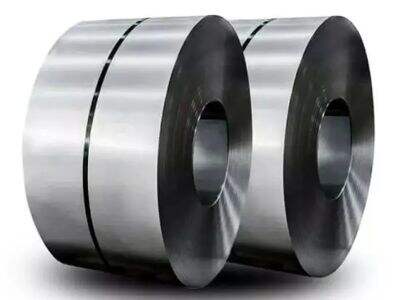
Common Installation Issues with GI Steel Featuring Spangle Patterns
While GI steel with spangle patterns is widely used, there are common installation challenges that buyers should be aware of. These include
Compatibility with Other Materials: When GI steel is used in conjunction with other metals, galvanic corrosion can occur if there is a lack of proper insulation. This is particularly important in multi-material assemblies where stainless steel or aluminum is involved
Surface Preparation: Proper surface preparation is essential for the successful installation of GI steel. If the spangle surface is not clean or properly treated, it may affect paint adhesion or lead to premature corrosion
Handling and Storage: Spangle patterns can be vulnerable to scratching or damage during handling. Proper storage methods should be employed to protect the surface from physical damage or exposure to corrosive environments before installation
Thermal Expansion: During installation, the thermal expansion of the steel must be considered, especially in larger structures. Ensuring that joints and fittings accommodate this expansion can prevent structural issues later on
Inspection and Quality Control: Regular inspections during installation can help identify any issues early, ensuring that the GI steel performs as expected in its intended application
Applications of GI Steel with Spangle Patterns in Various Industries
GI Steel with spangle patterns finds applications in a wide range of industries due to its durability and aesthetic appeal. Some notable applications include
Construction: In building construction, GI steel is commonly used for roofing, siding, and structural components. The spangle patterns can enhance the visual appeal of buildings while providing necessary corrosion resistance
Automotive: The automotive industry utilizes galvanized steel for body panels and structural components, where both aesthetics and corrosion resistance are critical
Home Appliances: Many home appliances, such as refrigerators and washing machines, employ GI steel due to its attractive finish and protective properties
Fencing and Outdoor Structures: The durability of GI steel makes it ideal for fencing and other outdoor structures, where exposure to the elements is a concern
Infrastructure: GI steel is also used in infrastructure projects, such as bridges and railings, where strength and longevity are paramount
As a B2B buyer, understanding the applications of GI steel with spangle patterns can help you make informed decisions that align with project requirements and performance expectations. By considering the factors discussed, you can ensure that your procurement process leads to high-quality materials that meet your specific needs
Table of Contents
- How Spangle Patterns Affect the Quality of GI Steel Products
- Where to Find Reliable Suppliers for GI Steel with Spangle Patterns
- Key Specifications to Consider for GI Steel with Spangle Patterns
- Common Installation Issues with GI Steel Featuring Spangle Patterns
- Applications of GI Steel with Spangle Patterns in Various Industries