
 EN
 AR
 BG
 HR
 CS
 DA
 NL
 FI
 FR
 DE
 EL
 HI
 IT
 JA
 KO
 NO
 PL
 PT
 RO
 RU
 ES
 SV
 TL
 ID
 UK
 VI
 SQ
 HU
 TH
 TR
 BE
 AZ
 LO
 MN
 MY
 KK
 SU
 UZ
 KY

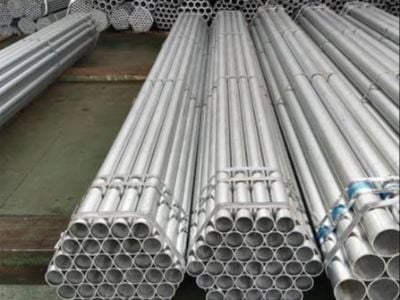
Understanding the wall thickness of galvanized tubing is crucial for ensuring the integrity and performance of various applications. This thickness impacts the tubing's strength, weight, and resistance to environmental factors, making it a key consideration for purchasing managers and engineers. We will explore what determines the wall thickness of galvanized tubing, helping you make informed decisions based on specifications, quality control measures, and sourcing options
How to Choose the Right Wall Thickness for Your Galvanized Tubing
Selecting the appropriate wall thickness for galvanized tubing requires a clear understanding of the application it will serve. Factors such as load requirements, environmental exposure, and regulatory standards play a pivotal role in this decision. For example, if the tubing is intended for structural applications, a thicker wall may be necessary to withstand higher stresses. Conversely, for applications where weight is a concern, such as in automotive or aerospace industries, a thinner wall may be preferred
Additionally, it’s important to consider the potential for corrosion and wear based on the environment in which the tubing will be used. Galvanized tubing offers excellent resistance to corrosion due to its zinc coating, but the thickness of the tubing can still affect its longevity. Buyers should evaluate the specific conditions their products will face, such as humidity, temperature fluctuations, and exposure to chemicals, to determine the best thickness for their needs
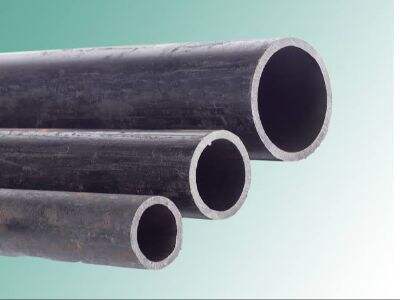
Understanding Wall Thickness
Wall thickness in galvanized tubing is generally measured in inches or millimeters and is one of the critical specifications that affect the product’s functionality. It is essential to understand the implications of varying wall thicknesses. Thicker walls provide enhanced durability and strength, making them suitable for high-pressure applications or where mechanical stress is significant. However, they may also increase the weight and cost of the product
For instance, in applications like scaffolding or structural supports, a thicker wall is often necessary to meet safety regulations and ensure structural integrity. On the other hand, thinner walls might suffice for non-load-bearing applications, where cost savings are more critical than strength. Buyers should carefully assess the application requirements and consult with manufacturers to ensure the chosen thickness meets all necessary specifications
Quality Control Measures for Galvanized Tubing Wall Thickness
Quality control is paramount when it comes to maintaining consistent wall thickness in galvanized tubing. Manufacturers typically implement several quality control measures during production to ensure that the tubing meets specified thickness tolerances. These measures may include
Material Inspection: Prior to production, raw materials should be inspected for consistency in thickness and quality. This initial step helps in minimizing defects in the final product
Thickness Measurement: During production, manufacturers should regularly measure wall thickness using calibrated tools such as micrometers or ultrasonic gauges. This ensures that any deviations from the specified thickness are identified and addressed promptly
Testing Samples: Before large-scale production, it is advisable to test samples of the galvanized tubing under conditions that mimic actual use. This can reveal any potential issues with thickness and performance
Certification and Compliance: Manufacturers should adhere to industry standards and certifications, which often dictate acceptable tolerances for wall thickness. Buyers should request documentation to ensure compliance with these standards
By focusing on these quality control measures, buyers can mitigate risks associated with inadequate wall thickness that could lead to structural failures or premature corrosion
Where to Source Reliable Galvanized Tubing with Optimal Thickness
When sourcing galvanized tubing, it is essential to partner with a reputable manufacturer known for producing high-quality products. Shandong Jiate Steel Co., Ltd. stands out as a comprehensive steel production and processing company, specializing in a wide range of steel products, including galvanized tubing. Their advanced manufacturing capabilities enable them to meet diverse thickness requirements while ensuring consistent quality
Buyers should consider several factors when selecting a supplier
Experience and Reputation: Look for manufacturers with a proven track record in the industry. This often correlates with better product quality and reliability
Customization Options: If your project has specific requirements, ensure the supplier can accommodate custom wall thicknesses and dimensions
Quality Assurance Processes: Inquire about the quality control measures the manufacturer employs, as these will significantly impact the performance of the tubing
Certifications: Check for industry-standard certifications that demonstrate the manufacturer’s commitment to quality and compliance
By carefully evaluating potential suppliers, buyers can secure reliable sources of galvanized tubing that meet their specific wall thickness needs
Comparing Wall Thickness Options in Galvanized Tubing for Projects
When comparing different wall thickness options in galvanized tubing, it is crucial to consider the project’s requirements alongside the specifications of the tubing. Here are key factors to evaluate
Load-Bearing Requirements: Assess the load the tubing will need to support. Thicker walls typically offer higher load capacities, making them ideal for heavy-duty applications
Cost Considerations: Thicker tubing generally comes at a higher price point. Buyers should weigh the cost against the benefits, especially if the application does not demand high strength
Service Life Expectations: Evaluate the expected service life of the tubing in relation to its thickness. In corrosive environments, opting for a thicker wall may extend the life of the tubing and reduce maintenance costs
Weight and Handling: For applications where weight is a concern, such as in transportation or portable structures, consider how wall thickness impacts the overall weight of the assembly
Regulatory Compliance: Ensure that the chosen wall thickness adheres to any relevant industry regulations or standards, which may specify minimum requirements for specific applications
By taking these factors into account, buyers can make well-informed decisions that align with their project goals while optimizing both performance and cost-efficiency
Understanding what determines the wall thickness of galvanized tubing is essential for making informed purchasing decisions. From evaluating application requirements to implementing quality control measures, buyers can navigate the complexities of selecting the right product for their needs