 EN
EN
 AR
AR
 BG
BG
 HR
HR
 CS
CS
 DA
DA
 NL
NL
 FI
FI
 FR
FR
 DE
DE
 EL
EL
 HI
HI
 IT
IT
 JA
JA
 KO
KO
 NO
NO
 PL
PL
 PT
PT
 RO
RO
 RU
RU
 ES
ES
 SV
SV
 TL
TL
 ID
ID
 UK
UK
 VI
VI
 SQ
SQ
 HU
HU
 TH
TH
 TR
TR
 BE
BE
 AZ
AZ
 LO
LO
 MN
MN
 MY
MY
 KK
KK
 SU
SU
 UZ
UZ
 KY
KY

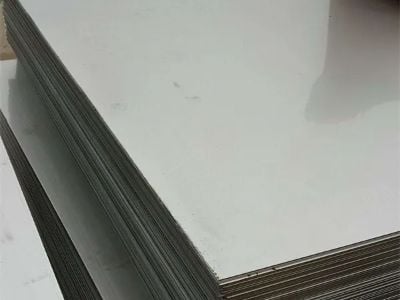
Understanding the factors that determine the zinc coating weight of Galvanized Iron (GI) steel is crucial for buyers in the manufacturing and construction sectors. Zinc coating not only enhances the steel's corrosion resistance but also affects its durability and overall performance in various applications. This article will explore the key factors influencing zinc coating weight, guide you on selecting the right coating for your projects, discuss quality control measures in manufacturing, and provide insights on sourcing reliable suppliers.
What Factors Influence the Zinc Coating Weight of GI Steel?
Several factors influence the zinc coating weight of GI steel, including the manufacturing process, the type of zinc used, and the specific application requirements.
Manufacturing Process: The hot-dip galvanizing process, which involves immersing steel in molten zinc, typically results in a heavier coating compared to electro-galvanizing, where zinc is applied through a chemical process. The immersion time and temperature also play a critical role in determining the final coating weight.
Steel Thickness and Surface Preparation: The thickness of the base steel can impact the amount of zinc that adheres during the galvanizing process. Proper surface preparation, including cleaning and pickling, is essential for optimal zinc adhesion. Insufficient preparation can lead to uneven coating weights.
Application Requirements: Different applications may require specific PPGI/GI/PPGL.
weights to ensure sufficient corrosion protection. For instance, structures exposed to harsh environmental conditions may necessitate a heavier zinc coating, whereas indoor applications may require a lighter coating.
-
Zinc Alloy Composition: The composition of the zinc alloy used can also affect the coating weight. Some alloys may provide better protection and adherence, influencing the thickness of the final coating.
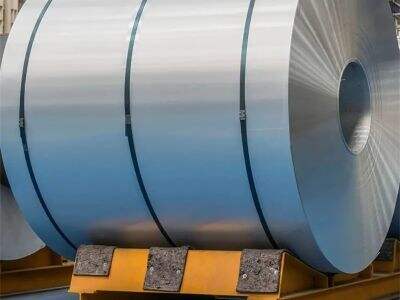
Understanding these factors can help buyers make informed decisions when selecting GI steel for their projects, ensuring that the coating weight meets the necessary performance criteria.
How to Choose the Right Zinc Coating Weight for Your Project?
Choosing the right Silicon steel/Electrical Steel weight for your project involves evaluating several critical factors, including environmental exposure, application type, and regulatory requirements.
Environmental Exposure: Assess the environment where the GI steel will be used. For example, coastal areas with high humidity and salt exposure often require thicker coatings (around 85-150 microns) to withstand corrosion. In contrast, indoor applications may suffice with a thinner layer (around 40-80 microns).
Application Type: Consider the specific application of the steel. Structural applications, such as beams and columns, may require heavier coatings due to the increased risk of corrosion. Conversely, decorative uses may prioritize aesthetics over thickness, allowing for lighter coatings.
Regulatory and Industry Standards: Be aware of any industry standards or regulations that dictate minimum coating weights. For example, certain construction codes may specify minimum zinc weights for safety and durability.
Cost Considerations: While thicker coatings offer better protection, they also increase material costs. Balance the need for protection with budget constraints to determine the most cost-effective solution.
By considering these factors, buyers can specify the appropriate zinc coating weight that aligns with their project requirements, ensuring longevity and performance. 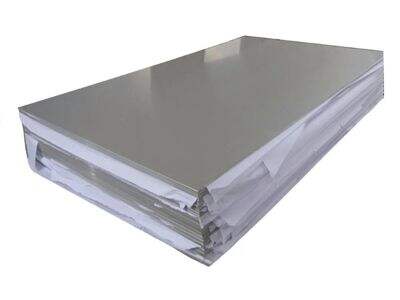
Quality Control Measures for Zinc Coated GI Steel Manufacturing
Implementing stringent quality control measures is essential in the manufacturing of zinc-coated GI steel to ensure consistency and performance. Key measures include:
Incoming Material Inspection: Quality control begins with inspecting incoming steel materials. Assessing the quality of the base metal before galvanization is critical; defects can affect the coating process and final product durability.
Process Monitoring: Continuous monitoring of the galvanizing process, including temperature, immersion time, and zinc bath composition, ensures that the coating adheres correctly. Any deviations from the established parameters can lead to inconsistent coating weights.
Coating Thickness Testing: Regularly testing the coating thickness using non-destructive methods, such as magnetic gauges or eddy current testing, helps confirm that the products meet specified requirements.
Adhesion Testing: Conducting adhesion tests to evaluate how well the zinc coating adheres to the steel substrate is essential. Poor adhesion can lead to premature coating failure.
Final Inspection: A thorough final inspection, including visual checks for surface defects and corrosion spots, ensures that only high-quality products are shipped to customers.
Shandong Jiate Steel Co., Ltd. employs these robust quality control measures throughout the manufacturing process to guarantee the reliability of its zinc-coated GI steel products.
Where to Source Reliable Suppliers of Zinc Coated GI Steel
Finding reliable suppliers for zinc-coated GI steel is crucial for ensuring quality and consistency. Here are some tips for sourcing:
Industry Experience: Look for suppliers with a proven track record in the steel manufacturing industry. Companies like Shandong Jiate Steel Co., Ltd. that have years of experience and a wide range of products can provide valuable insights and reliability.
Certifications and Compliance: Verify that suppliers adhere to industry standards and hold relevant certifications. This can include ISO certifications, which indicate adherence to quality management systems.
Customer Reviews and References: Seek feedback from other buyers who have worked with potential suppliers. Positive reviews & references can provide reassurance about the supplier's reliability and product quality.
Customization Capabilities: Choose suppliers that offer customization options to meet your specific project requirements. This flexibility can be crucial in obtaining the right zinc coating weight and other specifications.
Lead Times and Delivery: Assess the supplier’s lead times and delivery capabilities to ensure they can meet your project schedules. Reliable logistics are essential for timely project completion.
By carefully evaluating potential suppliers based on these criteria, buyers can secure high-quality zinc-coated GI steel that meets their specifications and performance needs.
What Buyers Should Know
When purchasing zinc-coated GI steel, buyers should keep several key considerations in mind:
Request Detailed Quotations: When requesting quotes, provide detailed information, including material specifications, coating weight, dimensions, and quantity. This clarity helps suppliers provide accurate estimates.
Confirm Specifications: Before placing an order, confirm all specifications, including coating weight, to ensure they meet your project requirements. A mismatch can lead to performance issues.
Inspect Samples: Always request samples before mass production. Testing the sample under actual operating conditions can reveal potential issues related to coating adhesion, thickness, and overall performance.
Monitor Packaging and Shipping: Ensure that the supplier has suitable packaging methods to protect the coated steel during transport. Proper handling reduces the risk of damage and corrosion.
Quality Assurance: Establish a clear understanding of the supplier's quality assurance processes. Knowing how they monitor and maintain quality can provide further confidence in your purchase.
By considering these factors, buyers can navigate the purchasing process more effectively, leading to better outcomes for their projects.