 EN
EN
 AR
AR
 BG
BG
 HR
HR
 CS
CS
 DA
DA
 NL
NL
 FI
FI
 FR
FR
 DE
DE
 EL
EL
 HI
HI
 IT
IT
 JA
JA
 KO
KO
 NO
NO
 PL
PL
 PT
PT
 RO
RO
 RU
RU
 ES
ES
 SV
SV
 TL
TL
 ID
ID
 UK
UK
 VI
VI
 SQ
SQ
 HU
HU
 TH
TH
 TR
TR
 BE
BE
 AZ
AZ
 LO
LO
 MN
MN
 MY
MY
 KK
KK
 SU
SU
 UZ
UZ
 KY
KY

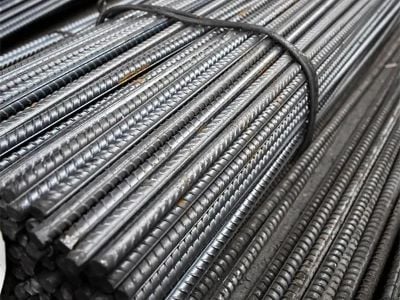
GI steel, or galvanized iron steel, is widely recognized for its role in construction components due to its durability and resistance to corrosion. As purchasing managers and engineers consider materials for building projects, understanding why GI steel is a preferred choice is vital. This article explores the benefits of GI steel in construction, how it enhances durability in components, the importance of quality control in its manufacturing, installation tips, and the cost factors involved when purchasing in bulk.
Why Choose GI Steel for Your Construction Projects?
Selecting Ppgi steel coils for construction projects offers numerous advantages. The galvanization process protects the steel from rust and corrosion, making it ideal for various applications, especially in environments where moisture exposure is a concern. This material is not only cost-effective but also provides long-term reliability, reducing the need for frequent replacements or maintenance.
Moreover, GI steel’s strength-to-weight ratio makes it suitable for a wide range of structural components, from beams to roofing. As a manufacturer, Shandong Jiate Steel Co., Ltd. emphasizes the importance of using high-quality raw materials and advanced processing techniques to enhance the performance of GI steel products. When evaluating suppliers, buyers should consider the manufacturer's capabilities in producing customized solutions that meet specific project requirements.
How GI Steel Enhances Durability in Building Components?
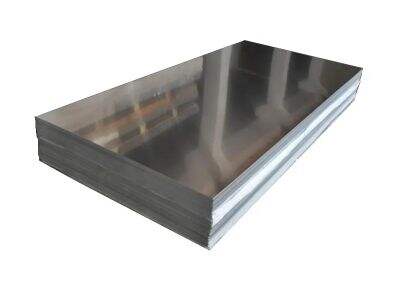
The durability of GI steel is primarily attributed to its protective zinc coating, which forms a barrier against moisture and atmospheric conditions that contribute to corrosion. This feature is crucial for construction components that are exposed to the elements, as it significantly extends their lifespan compared to uncoated steel.
Additionally, GI steel maintains its structural integrity under varying temperature conditions, making it suitable for diverse climates. For example, it performs well in both humid and arid environments, where temperature fluctuations can lead to material fatigue in lesser-quality options. Buyers should assess the anticipated environmental conditions when selecting GI steel components and ensure that the specifications align with the demands of their projects.
Evaluating Quality Control in GI Steel Manufacturing
Quality control is a critical aspect of GI steel production. Manufacturers like Shandong Jiate Steel Co., Ltd. implement rigorous testing protocols throughout the manufacturing process to ensure that the final products meet industry standards. This includes examining the thickness of the zinc coating, which directly influences corrosion resistance, as well as testing the steel's tensile strength and flexibility.
Buyers should inquire about the quality assurance processes employed by their suppliers. It's advisable to request documentation of quality certifications and inspection reports to verify that the GI steel products will perform as expected in their specific applications. Additionally, understanding the production methods and equipment used can provide insights into the reliability of the materials being purchased.
Installation Tips for GI Steel Components in Construction
Proper installation of Ppgi steel sheet components is essential to maximize their performance & longevity. Here are several practical tips for effective installation:
Surface Preparation: Ensure that surfaces are clean and dry before installation to prevent corrosion. Any contaminants can compromise the protective coating.
Use Compatible Fasteners: When connecting GI steel components, use fasteners that are also galvanized or made of stainless steel to avoid galvanic corrosion, which can occur when dissimilar metals come into contact.
Follow Manufacturer Guidelines: Always adhere to the installation guidelines provided by the manufacturer. This includes recommendations on spacing, load capacities, and environmental considerations.
Regular Inspections: After installation, conduct periodic inspections to identify any signs of wear or corrosion. Early detection can prevent costly repairs or replacements down the line.
By following these tips, builders can ensure that GI steel components function optimally throughout the lifespan of the structure.
Cost Factors to Consider When Purchasing GI Steel in Bulk
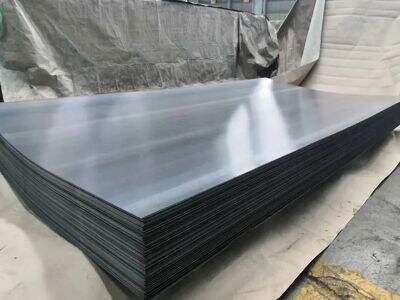
When considering bulk purchases of GI steel, several cost factors should be evaluated. Firstly, the price per unit can vary significantly based on order volume. Larger orders often qualify for discounts, but buyers should also factor in shipping costs and lead times, which can impact overall project budgets.
Additionally, buyers should consider the total cost of ownership, which includes potential maintenance and replacement costs over time. The longevity and low maintenance requirements of GI steel can lead to cost savings in the long run, making it a financially sound investment for construction projects.
Lastly, customization options may affect pricing. Buyers looking for specific dimensions or additional treatments should discuss these requirements with their suppliers to obtain accurate quotes and timelines.
By understanding these elements, purchasing managers can make informed decisions that align with their project goals and budgets.