 EN
 AR
 BG
 HR
 CS
 DA
 NL
 FI
 FR
 DE
 EL
 HI
 IT
 JA
 KO
 NO
 PL
 PT
 RO
 RU
 ES
 SV
 TL
 ID
 UK
 VI
 SQ
 HU
 TH
 TR
 BE
 AZ
 LO
 MN
 MY
 KK
 SU
 UZ
 KY

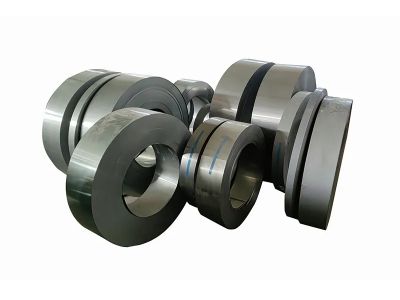
Galvanized tubing is a popular solution for outdoor structures, valued for its durability and resistance to corrosion. Understanding why galvanized tubing is used in outdoor applications is essential for purchasing managers, engineers, and project managers seeking reliable materials for construction and infrastructure projects. This article will explore the advantages of galvanized tubing, evaluate its quality, discuss where to purchase it in bulk, address common challenges, and compare it to alternative materials. This information will help you make informed decisions when sourcing materials for your outdoor projects.
Understanding the Advantages of Galvanized Tubing for Outdoor Structures
Galvanized tubing is steel that has been coated with a layer of zinc to prevent corrosion, making it particularly suitable for outdoor applications. The primary advantage of using galvanized tubing is its enhanced resistance to rust and deterioration when exposed to moisture and various weather conditions. This is crucial for structures like fences, scaffolding, and outdoor furniture, where longevity is a key consideration. Additionally, galvanized tubing offers excellent strength-to-weight ratios, which is vital for supporting significant loads in construction applications. Its durability reduces the need for frequent replacements, ultimately lowering maintenance costs over time. The process of galvanization also provides a smooth surface finish that is aesthetically pleasing, making it a popular choice for both structural and decorative applications.
Evaluating the Quality of Galvanized Tubing for Your Needs
When purchasing galvanized tubing, it's essential to evaluate the quality of the product based on several key specifications. First, check the thickness of the zinc coating, typically measured in microns. A thicker coating provides better corrosion resistance, particularly in harsher environments. Common standards include ASTM A123, which specifies coating weights, and buyers should ensure that the tubing meets or exceeds these specifications. Additionally, consider the grade of steel used in the tubing. Higher-grade steel will enhance the overall strength and durability of the product. Look for certifications or test reports that verify the chemical composition and mechanical properties, which can indicate the stainless tubing performance in real-world applications. Finally, inspect the surface finish for defects, as any pitting or roughness can compromise the protective layer and lead to premature failure.
Where to Buy Galvanized Tubing in Bulk for Wholesale Orders?
For bulk purchases of galvanized tubing, it is advisable to source from reputable manufacturers or distributors with a strong track record in the steel industry. Shandong Jiate Steel Co., Ltd., for instance, is a comprehensive steel production and processing company that offers a range of galvanized tubing options tailored to various applications. When seeking bulk orders, inquire about the minimum order quantities (MOQ) and pricing structures. Different suppliers may have varying MOQs based on the product type and size. Additionally, consider the supplier’s production capacity and lead times, as these factors will impact your project schedule. Establishing a relationship with a reliable supplier can also facilitate better pricing and custom options.
Common Problems with Galvanized Tubing and Their Solutions
While galvanized tubing is generally reliable, certain problems can arise during its use. One common issue is the formation of white rust, which occurs when moisture gets trapped under the zinc coating, leading to corrosion. To mitigate this, ensure proper surface preparation before application and avoid storing the tubing in damp conditions. Another challenge is the potential for galvanic corrosion if galvanized 304 stainless tubing comes into contact with other metals, such as aluminum. To prevent this, use insulating materials or coatings to separate the metals. Additionally, buyers should consider the environmental conditions where the tubing will be used, as exposure to certain chemicals or saltwater can accelerate corrosion. To address these issues, regular inspections and maintenance can help identify early signs of corrosion and extend the lifespan of the tubing. Implementing protective measures during installation and proper sealing can further enhance durability.
Comparing Galvanized Tubing to Other Materials for Outdoor Use
When deciding on materials for outdoor structures, it's essential to compare galvanized tubing with alternatives such as stainless steel, aluminum, and plastic. Stainless steel, while highly resistant to corrosion, comes at a higher cost and may not exhibit the same strength-to-weight ratio as galvanized tubing. Aluminum is lighter and resistant to rust, but it may not provide the same structural strength required for heavy loads and can be more susceptible to denting. Plastic materials, like PVC, offer excellent resistance to corrosion and are lightweight; however, they may not be suitable for structural applications that require significant strength and support. Moreover, plastic can become brittle over time, especially when exposed to UV light. Ultimately, the choice between these materials will depend on specific project requirements, including load-bearing capacity, environmental conditions, and budget constraints. Buyers should weigh the pros and cons of each option and consult with suppliers to determine the best fit for their applications. By understanding the advantages and potential challenges of galvanized 4130 tubing, as well as how it compares to other materials, B2B buyers can make informed decisions that contribute to the success of their outdoor projects.
Table of Contents
- Understanding the Advantages of Galvanized Tubing for Outdoor Structures
- Evaluating the Quality of Galvanized Tubing for Your Needs
- Where to Buy Galvanized Tubing in Bulk for Wholesale Orders?
- Common Problems with Galvanized Tubing and Their Solutions
- Comparing Galvanized Tubing to Other Materials for Outdoor Use