 EN
 AR
 BG
 HR
 CS
 DA
 NL
 FI
 FR
 DE
 EL
 HI
 IT
 JA
 KO
 NO
 PL
 PT
 RO
 RU
 ES
 SV
 TL
 ID
 UK
 VI
 SQ
 HU
 TH
 TR
 BE
 AZ
 LO
 MN
 MY
 KK
 SU
 UZ
 KY

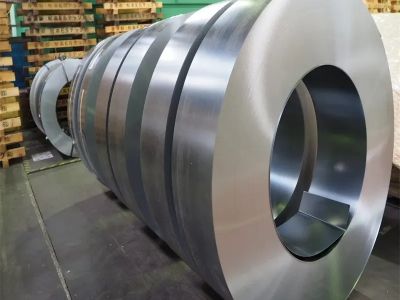
Understanding how GI coil production controls zinc coating uniformity is essential for ensuring the quality and durability of galvanized steel products. Zinc coating serves as a protective barrier against corrosion, making it crucial for various applications in industries such as construction, automotive, and manufacturing. Buyers often face concerns regarding the consistency of zinc coating, as it directly impacts product performance and lifespan. This article will help you understand the importance of zinc coating uniformity, key specifications to consider, best practices for production, common challenges, and installation considerations.
How Zinc Coating Uniformity Influences GI Coil Quality Standards?
Zinc coating uniformity is critical in determining the overall quality of galvanized iron (GI) coils. A consistent zinc layer ensures that the steel substrate is evenly protected against corrosion, which is vital for the longevity of the product. Inadequate or uneven coating can lead to exposed areas that are prone to rust and deterioration, which can result in costly repairs or replacements for end-users. Quality standards for GI coils often specify minimum zinc coating thickness, which is measured in grams per square meter (GSM). Buyers should be aware that varying thicknesses can affect both mechanical properties and corrosion resistance. For instance, coils with an insufficient zinc layer may not meet industry standards, leading to potential failures in their intended applications. Therefore, ensuring uniformity in the coating process is essential for meeting these standards and providing customers with reliable products.
Key Specifications for Assessing Zinc Coating in GI Coils
When evaluating GI coils, several key specifications related to zinc coating should be considered:
Coating Weight: Measured in GSM, this indicates the amount of zinc applied per unit area. The required weight typically depends on the application; for example, coils used in outdoor environments may require higher weights for better protection.
Coating Adhesion: The ability of the zinc layer to adhere to the steel substrate is critical. Poor adhesion can lead to flaking or peeling, compromising the protective qualities of the coating.
Surface Appearance: A smooth, uniform surface is often indicative of a well-controlled coating process. Irregularities may signal issues during production, affecting not just aesthetics but also performance.
Thickness Variation: Consistency in thickness across the entire coil is paramount. Buyers should inquire about the production methods used to ensure uniform thickness, as this can influence corrosion resistance and overall product durability.
Zinc Alloy Composition: Some applications may benefit from specific zinc alloy formulations, which can enhance performance in particular environments. Knowing the alloy composition can help in selecting the right product for specific needs.
Buyers should verify these specifications with potential suppliers to ensure that the GI coils meet their application requirements.
Best Practices for Ensuring Consistent Zinc Coating in Production
Maintaining consistency in zinc coating during production involves several best practices:
Regular Equipment Calibration: The machinery used in the galvanization process should be regularly calibrated to ensure that coating weights are applied accurately and uniformly. Any deviation in equipment settings can lead to inconsistent coatings.
Quality Control Checks: Implementing rigorous quality control measures throughout the production process is essential. This includes conducting regular inspections of coating thickness and adhesion, as well as performing tests to confirm that the zinc layer meets specified standards.
Controlled Environment: The galvanization process should occur in a controlled environment to minimize the impact of external factors such as temperature and humidity, which can affect coating quality.
Employee Training: Workers involved in the production process should receive comprehensive training on best practices for galvanization. Understanding the importance of each step can significantly reduce the likelihood of errors.
Feedback Mechanisms: Establishing strong communication channels between production teams and quality assurance can help identify issues early in the process, allowing for adjustments before large-scale production.
By adhering to these practices, manufacturers can achieve higher levels of Steel rebar uniformity, leading to better product quality and customer satisfaction.
Common Problems in Zinc Coating and Their Effective Solutions
Despite best efforts, several common problems can arise during the zinc coating process:
Inconsistent Coating Thickness: This can occur due to improper machine settings or variations in the steel's surface. To combat this, manufacturers should conduct regular equipment maintenance and use advanced technologies, such as laser measurement systems, to monitor thickness in real-time.
Poor Adhesion: Factors such as surface contamination or inadequate cleaning prior to galvanization can lead to poor adhesion. Ensuring thorough surface preparation and utilizing suitable pre-treatment methods can help enhance adhesion.
Zinc Flaking: This issue often arises from thermal shock or improper cooling after the galvanization process. Implementing gradual cooling methods can prevent this problem.
Surface Defects: Irregularities such as blisters or rough surfaces can compromise performance. Regular monitoring of the coating process and immediate corrective actions can mitigate these defects.
Corrosion Failure: If the steel plate stainless is not uniform, corrosion can occur more rapidly in vulnerable areas. Buyers should ensure that their suppliers have robust quality assurance systems in place to detect and address these issues before products are shipped.
By recognizing these challenges and implementing effective solutions, manufacturers can improve the overall quality and reliability of their GI coils.
Installation Considerations for GI Coils with Zinc Coating Uniformity
Proper installation of GI coils is crucial for maximizing the benefits of zinc coating uniformity. Here are some key considerations:
Surface Preparation: Before installation, ensure that the surfaces where the coils will be applied are clean and free of contaminants. This can enhance adhesion and overall performance.
Compatibility with Other Materials: When GI coils are combined with other materials, such as fasteners or structural elements, ensure that they are compatible to prevent galvanic corrosion. Selecting appropriate materials can help maintain the integrity of the zinc coating.
Environmental Conditions: Be mindful of the installation environment. High humidity or exposure to aggressive chemicals can affect the performance of zinc coatings. Proper sealing and protective measures can extend the life of the installed coils.
Regular Inspections: Once installed, regular inspections should be conducted to ensure the integrity of the galvanized coating over time. Any signs of wear or damage should be addressed promptly to avoid future corrosion issues.
Installation Techniques: Adopting the right installation techniques can minimize stress on the coils, reducing the risk of damage to the zinc coating. Following manufacturer guidelines and utilizing experienced personnel can enhance the outcome.
By considering these installation factors, buyers can ensure that the benefits of zinc coating uniformity are fully realized in their applications, contributing to the long-term performance of GI coils.
Table of Contents
- How Zinc Coating Uniformity Influences GI Coil Quality Standards?
- Key Specifications for Assessing Zinc Coating in GI Coils
- Best Practices for Ensuring Consistent Zinc Coating in Production
- Common Problems in Zinc Coating and Their Effective Solutions
- Installation Considerations for GI Coils with Zinc Coating Uniformity