 EN
 AR
 BG
 HR
 CS
 DA
 NL
 FI
 FR
 DE
 EL
 HI
 IT
 JA
 KO
 NO
 PL
 PT
 RO
 RU
 ES
 SV
 TL
 ID
 UK
 VI
 SQ
 HU
 TH
 TR
 BE
 AZ
 LO
 MN
 MY
 KK
 SU
 UZ
 KY

Galvanized iron (GI) coils are essential materials in various manufacturing and construction applications due to their durability and resistance to corrosion. Understanding what quality tests are required for GI coil production is crucial for buyers, including purchasing managers, engineers, and product managers, who need to ensure that the products they source meet industry standards and their specific application requirements. This article will delve into the necessary quality tests, specifications for sourcing high-quality GI coils, and best practices for ensuring product reliability.
What Quality Tests Ensure GI Coil Durability and Performance?
Quality tests for GI coil production are vital for verifying the material's durability and performance. These tests typically include:
Thickness Measurement: Ensuring that the coil thickness meets specified standards is critical, as deviations can affect strength and application suitability. Buyers should verify thickness using precise measuring instruments.
Tensile Strength Testing: This test measures the maximum load a material can withstand while being stretched. It’s crucial to ensure that the GI coil can endure operational stresses without failure.
Corrosion Resistance Testing: Given that ppgi coil are often used in environments where exposure to moisture and chemicals is a concern, testing for corrosion resistance is essential. This may involve subjecting samples to salt spray tests to simulate harsh conditions.
Surface Quality Inspection: This includes checks for surface defects such as scratches, pits, or rust, which can compromise the coil's integrity and performance. A thorough visual inspection should be conducted alongside surface roughness measurements.
Chemical Composition Analysis: Ensuring that the GI coils are made from the correct alloy composition helps guarantee performance and longevity. Analysis methods such as X-ray fluorescence (XRF) can be employed for accurate assessments.
These tests provide buyers with confidence that the GI coils will perform as expected in their applications.
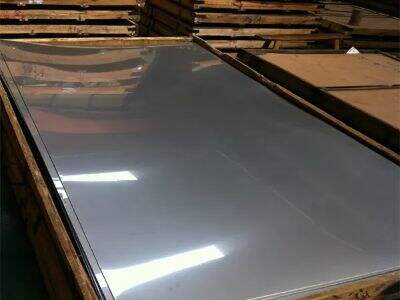
Key Specifications for Sourcing High-Quality GI Coils
When sourcing GI coils, buyers should look for specific key specifications to ensure they meet their requirements:
Material Grade: Different grades of galvanized steel are available, affecting strength, corrosion resistance, and cost. It’s essential to select a material grade that aligns with the intended application.
Coating Weight: The zinc coating weight is a critical specification, as it influences corrosion protection. Buyers should confirm the coating weight as per the relevant standards (e. g., ASTM A653) to ensure adequate protection.
Dimensions: Dimensions, including width, length, and thickness, must align with project requirements. Variability in dimensions can lead to compatibility issues during installation.
Mechanical Properties: Specifications such as yield strength, tensile strength, and elongation percentages should be verified. These properties determine how the material will behave under stress.
Surface Treatment: Depending on the application, additional surface treatments such as passivation may be required to enhance corrosion resistance.
By focusing on these specifications, buyers can effectively assess the quality and suitability of GI coils for their projects.
Where to Find Reliable Suppliers for GI Coil Products?
Finding reliable suppliers for Ppgi coil sheetproducts is essential for ensuring consistent quality and service. Here are some steps to consider:
Industry Directories: Utilize industry-specific directories and platforms, such as ThomasNet or Alibaba, to find suppliers with a t
rack record in GI coil production.
Trade Shows and Expos: Participating in industry trade shows can provide direct access to manufacturers and suppliers. It’s an opportunity to evaluate products firsthand and discuss technical specifications.
Certification Verification: Look for suppliers who hold relevant certifications that demonstrate their commitment to quality management. This adds a layer of trust.
Customer Reviews and References: Seeking feedback from other customers can provide insights into a supplier’s reliability and product quality. Requesting references is a practical way to gauge supplier performance.
Technical Support: Assess whether the supplier offers adequate technical support and customization options for your specific application needs. A responsive supplier can be invaluable in addressing any issues.
By following these guidelines, buyers can identify trustworthy suppliers who can meet their GI coil requirements effectively.
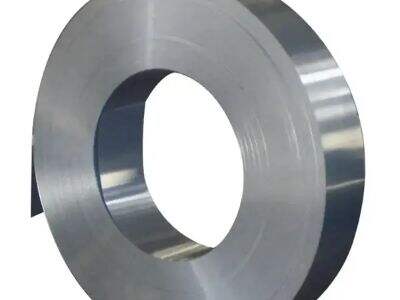
Quality Assurance for GI Coils
Quality assurance (QA) in GI coil production involves systematic processes to ensure that products meet specified standards before reaching the buyer. Key aspects include:
In-Process Inspections: Conducting inspections during various stages of production helps catch defects early. This includes monitoring material properties and dimensions as they are processed.
Final Product Testing: Before shipment, GI coils should undergo rigorous final testing to verify that they meet all specifications and quality standards. This may include re-testing key properties mentioned earlier.
Documentation and Traceability: Maintaining comprehensive records of production processes, inspections, and test results enhances transparency. This documentation is critical for quality audits and can help resolve any disputes.
Feedback Mechanisms: Implementing a system for collecting feedback from customers can help identify areas for improvement and ensure that the quality assurance processes evolve with market demands.
Training and Development: Continuous training for staff involved in the production process is essential for maintaining high-quality standards. Well-trained personnel are more likely to identify potential issues and implement corrective measures.
These quality assurance practices help ensure that the GI coils produced are reliable and fit for purpose.
Ensuring Quality for GI Coil Applications
To ensure that GI coils perform effectively in their applications, buyers should consider the following factors:
Application Requirements: Different applications may impose varying demands on GI coils, such as load-bearing capacity, exposure to chemicals, or temperature fluctuations. Buyers should clearly outline these requirements when sourcing materials.
Compatibility with Existing Systems: Ensure that the selected GI coils are compatible with existing equipment and processes. This may involve checking dimensions, coil weight, and mechanical properties against specifications.
Sample Testing: Before committing to a large order, testing samples under actual operating conditions can reveal any performance issues that may not be apparent through standard testing methods.
Maintenance Considerations: Understanding maintenance needs based on the application can help extend the lifespan of the GI coils. Buyers should inquire about any recommended maintenance procedures to ensure optimal performance.
Supplier Collaboration: Engage suppliers in discussions about specific application requirements. Their expertise can provide valuable insights and help identify potential challenges before production begins.
By addressing these factors, buyers can ensure that the GI coils they select not only meet quality standards but also perform reliably in their intended applications.