 EN
 AR
 BG
 HR
 CS
 DA
 NL
 FI
 FR
 DE
 EL
 HI
 IT
 JA
 KO
 NO
 PL
 PT
 RO
 RU
 ES
 SV
 TL
 ID
 UK
 VI
 SQ
 HU
 TH
 TR
 BE
 AZ
 LO
 MN
 MY
 KK
 SU
 UZ
 KY

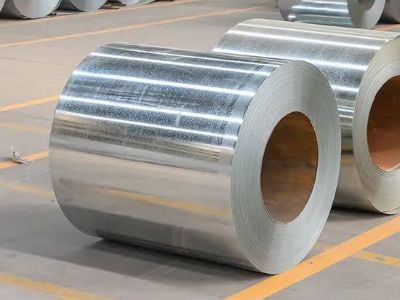
Understanding the various standards commonly applied to galvanized iron (GI) coil is essential for buyers in the manufacturing sector. This article delves into the crucial specifications, certifications, and quality control measures that ensure the integrity and performance of GI coils. Buyers' primary concerns often revolve around material quality, compliance with industry standards, and the implications these standards have on production and application. By the end of this article, readers will gain a clearer understanding of what to consider when sourcing GI coils
What Standards Should You Consider for GI Coil Sourcing
When sourcing GI coils, buyers should be aware of several key standards that might apply, depending on the intended application and regional regulations. Common standards include ASTM A653/A653M, which outlines specifications for galvanized steel sheet, and EN 10142, which provides standards for hot-dip galvanized steel. These standards cover material thickness, coating weight, and other critical performance criteria
Understanding these standards is vital for ensuring that the GI coils meet the necessary quality and environmental requirements. For instance, the coating thickness can significantly impact corrosion resistance; a coil with inadequate coating may lead to premature rusting, affecting the final product's longevity
Additionally, certifications such as ISO 9001 can indicate that a manufacturer has established quality management systems in place. Buyers should verify that their suppliers possess the relevant certifications to guarantee compliance with these standards
What Buyers Need to Know
Buyers should familiarize themselves with the various specifications that can affect the performance of GI coils. Key considerations include
Thickness: The thickness of the coil can affect its strength and durability. Industry standards typically range from 0.3 mm to 3 mm, depending on the application
Coating Weight: This is measured in grams per square meter (g/m²) and is critical for corrosion resistance. Higher coating weights often provide better protection against environmental factors
Mechanical Properties: Understanding the yield strength and tensile strength is crucial for applications requiring specific load-bearing capabilities
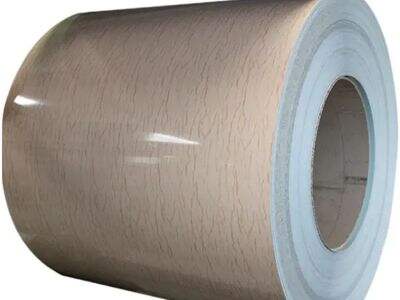
Moreover, buyers should consider the intended use of the GI coils. For example, coils used in construction may require higher durability standards compared to those intended for decorative applications. This understanding can assist in making informed decisions during the sourcing process
Where to Find Reliable Suppliers for GI Coil Standards
Finding reliable suppliers who adhere to industry standards is crucial for ensuring quality and compliance. Buyers can start by
Industry Directories: Utilize industry-specific directories that list manufacturers and suppliers with verified certifications
Trade Shows: Attending trade shows and exhibitions can provide opportunities to connect directly with manufacturers and discuss their capabilities and compliance with standards
Online Reviews and References: Checking reviews and asking for references can offer insights into a supplier’s reputation and reliability
Additionally, establishing a relationship with manufacturers like Shandong Jiate Steel Co., Ltd. can be beneficial. With a focus on producing high-quality steel coils, they can provide valuable insights into material specifications and compliance with industry standards
A Guide for Wholesale Buyers
Wholesale buyers should prepare specific information when engaging with suppliers to facilitate accurate quotations and efficient sourcing. Key details to include are
Coil Specifications: Clearly outline the required thickness, coating weight, and dimensions
Quantity: Specify the required volume to help suppliers provide accurate pricing and lead times
Application Details: Inform suppliers about the intended use to ensure compatibility with performance standards
Packaging Requirements: Discuss how the coils should be packaged for shipment to prevent damage during transit
By providing comprehensive information, buyers can streamline the procurement process and minimize the risk of misunderstandings regarding specifications and requirements
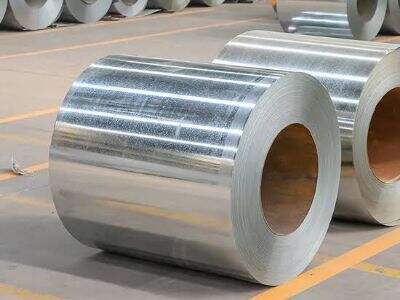
Understanding the Pricing of GI Coil Standards
Pricing for GI coil can vary based on several factors, including material quality, thickness, coating weight, and order volume. Here are a few considerations that can impact pricing
Material Costs: Fluctuations in raw material prices, such as zinc and steel, can affect the overall cost of GI coils
Customization: Special requirements, such as specific dimensions or surface treatments, can lead to increased costs
Order Volume: Higher quantities often yield better pricing. Manufacturers may offer discounts for bulk orders, making it advantageous for wholesale buyers
It's also essential to consider the total cost of ownership, which includes shipping, handling, and any potential quality control measures that may need to be implemented upon receiving the coils. Engaging with suppliers who can provide transparent pricing structures will help buyers make well-informed decisions
By understanding the standards that govern GI coils, engaging with reliable suppliers, and preparing detailed procurement needs, buyers can ensure they acquire high-quality materials that meet their specific application requirements