 EN
 AR
 BG
 HR
 CS
 DA
 NL
 FI
 FR
 DE
 EL
 HI
 IT
 JA
 KO
 NO
 PL
 PT
 RO
 RU
 ES
 SV
 TL
 ID
 UK
 VI
 SQ
 HU
 TH
 TR
 BE
 AZ
 LO
 MN
 MY
 KK
 SU
 UZ
 KY

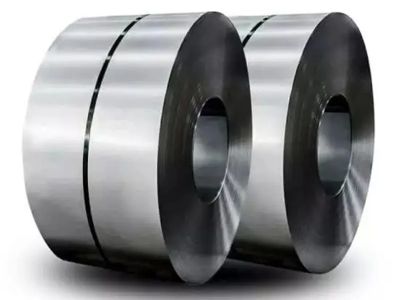
When sourcing galvanized iron (GI) pipes, understanding the specifications a GI pipe supplier should provide is critical to ensure that the materials meet your project's requirements. Buyers often have concerns about product quality, compatibility, and application suitability. This article aims to clarify the essential specifications to look for, how to evaluate supplier capabilities, and key considerations when purchasing GI pipes.
How to Evaluate the Quality of GI Pipe Specifications?
To ensure the reliability and performance of GI pipes, buyers should evaluate several key specifications. First, consider the material composition. GI pipes are typically made from carbon steel coated with zinc to prevent corrosion. Understanding the zinc coating thickness is crucial; a thicker coating can enhance corrosion resistance, particularly in humid or corrosive environments. Next, check the dimensions of the pipes, including diameter and wall thickness. These specifications impact the gi pipe manufacturers pressure rating and overall structural integrity. For example, a pipe that appears to meet nominal dimensions on paper may not fit correctly with existing fittings or systems if there are variances during production. Quality control processes are also vital. Inquire about the supplier's quality assurance methods, such as testing for tensile strength and ductility. Certifications, such as ISO 9001, can indicate a commitment to quality management practices. Always request product samples to verify that they match the specified dimensions and quality standards before placing a bulk order.
Where to Source High-Quality GI Pipes for Your Projects?
Sourcing high-quality GI pipes involves looking for reputable suppliers with a strong manufacturing background. Established manufacturers, like Shandong Jiate Steel Co., Ltd., often have advanced production equipment and a range of processing capabilities, including cutting, bending, and polishing. These capabilities allow them to customize products based on your specific requirements. When evaluating potential suppliers, consider their export markets and customer base. A supplier with experience in international markets is likely to have robust quality control measures and compliance with various industry standards. Additionally, seek recommendations or reviews from other companies in your industry to gauge the reliability and performance of the supplier's products. Another sourcing strategy is to attend industry trade shows and exhibitions where manufacturers showcase their products. This allows you to assess the quality firsthand, meet representatives, and discuss your specific needs directly.
Cost Factors to Consider When Buying GI Pipes Wholesale
Pricing for GI pipes can vary significantly based on several factors. First, the type of material used plays a major role. For instance, pipes made from high-grade carbon steel may command a higher price due to their enhanced properties. The thickness of the zinc coating also affects pricing; a thicker coating generally increases the cost but could save money in the long run by reducing corrosion-related maintenance. Order quantity is another crucial factor; larger orders typically benefit from economies of scale, resulting in lower per-unit costs. However, be mindful of minimum order quantities (MOQ) set by suppliers, as these can limit flexibility for smaller projects. Shipping and handling costs are additional considerations. Ensure that you factor in logistics when calculating total expenses, especially if you are importing from overseas. Lastly, always ask about potential discounts for long-term partnerships or bulk purchases.
Common Problems with GI Pipes and Their Solutions
When working with GI pipes, several common issues may arise. Corrosion is the most prevalent problem, particularly if the zinc coating is insufficient for the environment in which the pipes are used. To mitigate this, always verify the coating thickness and consider additional protective measures, such as applying paint or specialized coatings during installation. Another frequent challenge is improper fitting due to manufacturing variances. To avoid this, ensure that you have accurate measurements and verify compatibility with existing systems. Always conduct a fitting test with sample gi pipe supplier before full installation. Lastly, be aware of the potential for manufacturing defects, such as welding issues or dimensional inaccuracies. Implementing a thorough quality inspection process, including testing samples for strength and durability, can help catch these problems before they escalate.
Specifications to Know
When purchasing GI pipes, several key specifications should be confirmed to ensure the product meets your needs:
Material Composition: Ensure the pipes are made from high-quality carbon steel with an adequate zinc coating.
Dimensions: Verify the pipe's diameter, wall thickness, and length to ensure compatibility with your application.
Zinc Coating Thickness: Confirm the coating thickness, typically measured in microns, to assess corrosion resistance.
Pressure Rating: Check the maximum allowable working pressure to ensure the pipe stainless can handle the intended application.
Certification and Compliance: Look for relevant certifications that demonstrate compliance with industry standards, such as ASTM or ISO.
Quality Control Processes: Inquire about the supplier's quality assurance practices to ensure consistent product quality.
By understanding these specifications, you can make informed purchasing decisions and source GI pipes that meet your project's requirements effectively.