 EN
EN
 AR
AR
 BG
BG
 HR
HR
 CS
CS
 DA
DA
 NL
NL
 FI
FI
 FR
FR
 DE
DE
 EL
EL
 HI
HI
 IT
IT
 JA
JA
 KO
KO
 NO
NO
 PL
PL
 PT
PT
 RO
RO
 RU
RU
 ES
ES
 SV
SV
 TL
TL
 ID
ID
 UK
UK
 VI
VI
 SQ
SQ
 HU
HU
 TH
TH
 TR
TR
 BE
BE
 AZ
AZ
 LO
LO
 MN
MN
 MY
MY
 KK
KK
 SU
SU
 UZ
UZ
 KY
KY

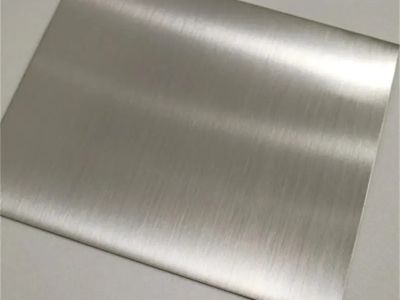
Understanding how surface preparation affects hot dip galvanized steel quality is crucial for manufacturers and buyers alike. Surface preparation is a key factor that influences the integrity and durability of galvanized steel, impacting everything from corrosion resistance to adhesion of the zinc coating. We will explore the essential aspects of surface preparation, addressing common buyer concerns such as material compatibility, quality assurance, and the impact of different preparation methods. By understanding these factors, purchasing managers, engineers, and other professionals can make informed decisions that enhance the overall quality of their steel products.
Key Specifications for Hot Dip Galvanized Steel Surface Prep
When preparing steel for hot dip galvanizing, several key specifications must be considered to ensure optimal results. The surface condition of the steel plays a significant role in the effectiveness of the galvanizing process. Important specifications include:
Surface Cleanliness: The steel surface must be free from contaminants like oil, grease, rust, and mill scale. Common cleaning methods include abrasive blasting, chemical cleaning, and pickling. Each method has its own effectiveness and suitability depending on the type of steel and the intended application.
Surface Roughness: A specific surface roughness is required to promote strong adhesion between the zinc coating and the steel substrate. Typically, a roughness profile of 2 to 4 mils (50 to 100 microns) is ideal for ensuring a robust bond, which enhances corrosion resistance and durability.
Dimensional Specifications: The dimensions of the stainless steel sheet components should be verified against the requirements of the application. Variations in thickness and size can influence both the preparation process and the final coating quality.
Understanding these specifications helps buyers evaluate the readiness of their steel products for hot dip galvanizing, ensuring that they meet industry standards and performance expectations.
Choosing the Right Surface Preparation for Your Steel Needs
Selecting the appropriate surface preparation method is critical for achieving high-quality hot dip galvanized steel. Factors to consider include the type of steel, the presence of surface contaminants, and the desired end-use of the product.
Abrasive Blasting: This method is effective for removing rust and mill scale, resulting in a clean, roughened surface that promotes zinc adhesion. It is suited for large-scale applications where thorough cleaning is essential.
Chemical Cleaning: Suitable for components with intricate designs or where abrasive methods may cause damage, chemical cleaning can effectively remove oils and contaminants. However, it is essential to follow up with rinsing to prevent residues that could affect galvanizing.
Pickling: This involves immersing the stain steel sheets in an acid solution to remove oxides and mill scale. It ensures a clean surface but requires careful handling to avoid damage to the steel substrate.
By understanding the strengths and limitations of these surface preparation methods, buyers can select the best option based on their specific steel needs, enhancing the performance of the galvanized products.
Importance of Surface Prep in Steel Quality
Surface preparation is vital for the overall quality of hot dip galvanized steel. It directly influences several performance metrics, including:
Corrosion Resistance: Properly prepared surfaces ensure better adhesion of the zinc coating, enhancing the steel's resistance to corrosion. A well-adhered coating can significantly extend the lifespan of the steel in harsh environments.
Aesthetic Appearance: Surface preparation impacts the final appearance of the galvanized product. A clean, roughened surface leads to a more uniform and visually appealing finish, which is crucial for applications where aesthetics matter.
Mechanical Properties: The mechanical properties of the steel sheet stainless can be affected by surface preparation methods. For instance, abrasive blasting can induce compressive stresses that may enhance fatigue resistance, while improper preparation can lead to weaknesses.
Recognizing the importance of surface prep allows buyers to prioritize quality in their procurement process, ensuring that the final galvanized products meet both functional and aesthetic standards.
Comparing Surface Preparation Methods for Galvanized Steel
Different surface preparation methods yield varying results, and understanding these differences can aid in making an informed choice. Here’s a comparison of the most common methods:
| Method | Pros | Cons |
|---|---|---|
| Abrasive Blasting | Effective for heavy contaminants; promotes good adhesion | Can be abrasive; may damage delicate parts |
| Chemical Cleaning | Good for complex geometries; gentle on surfaces | May leave residues if not rinsed properly |
| Pickling | Thorough oxide removal; consistent results | Requires careful handling of acids; may weaken steel if not monitored |
Each method has its ideal applications; for example, abrasive blasting is often preferred for larger components, while chemical cleaning is better suited for intricate pieces. Buyers should assess the specific requirements of their projects to choose the appropriate method that balances effectiveness with potential drawbacks.
Common Problems with Surface Prep in Hot Dip Galvanizing
While surface preparation is essential for quality hot dip galvanizing, several common problems can arise if not executed correctly:
Inadequate Cleaning: Failing to remove all contaminants can lead to poor adhesion of the zinc coating. This can result in flaking or peeling, compromising the corrosion resistance of the galvanized steel.
Surface Damage: Over-aggressive preparation methods, like excessive abrasive blasting, can damage the steel's surface, leading to pitting or micro-cracking. This not only affects appearance but may also weaken the structural integrity of the steel.
Residual Chemicals: Incomplete rinsing after chemical cleaning can leave harmful residues that may react with the zinc during galvanizing, resulting in defects in the coating.
Inconsistent Finishing: Variability in surface preparation can lead to inconsistent coating thickness, which can affect the performance and durability of the final product.
To avoid these issues, it is essential for buyers to work closely with their suppliers, ensuring that proper preparation protocols are followed and quality checks are in place before proceeding with hot dip galvanizing. By understanding these potential pitfalls, purchasing managers and engineers can ensure that they receive high-quality galvanized steel that meets their application requirements.