
 EN
EN
 AR
AR
 BG
BG
 HR
HR
 CS
CS
 DA
DA
 NL
NL
 FI
FI
 FR
FR
 DE
DE
 EL
EL
 HI
HI
 IT
IT
 JA
JA
 KO
KO
 NO
NO
 PL
PL
 PT
PT
 RO
RO
 RU
RU
 ES
ES
 SV
SV
 TL
TL
 ID
ID
 UK
UK
 VI
VI
 SQ
SQ
 HU
HU
 TH
TH
 TR
TR
 BE
BE
 AZ
AZ
 LO
LO
 MN
MN
 MY
MY
 KK
KK
 SU
SU
 UZ
UZ
 KY
KY

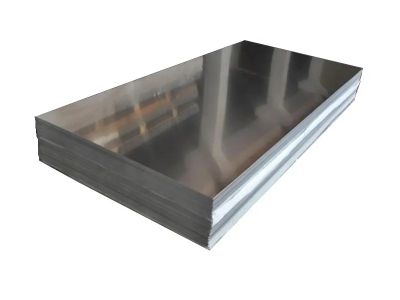
Hot dip galvanized steel has become a popular choice in structural applications due to its exceptional durability and corrosion resistance. This article will explore why hot dip galvanized steel is widely used in structural applications, addressing key concerns for B2B buyers such as material selection, quality evaluation, and installation guidelines. Understanding these aspects will help purchasing managers, engineers, and project managers make informed decisions when sourcing materials for their projects.
How to Choose the Right Hot Dip Galvanized Steel for Your Needs?
Selecting the appropriate hot dip galvanized steel involves considering several factors: application requirements, environmental conditions, and specific project specifications.
Application Requirements: Determine the load-bearing capacity needed for your structure. This will guide you in choosing the right thickness and grade of steel. For instance, a higher grade may be necessary for structural elements subjected to heavy loads.
Environmental Conditions: Assess the exposure conditions of your project. Hot hot dip galvanized steel is particularly effective in environments prone to moisture and corrosive elements. If your application involves chemical exposure or extreme weather, consult with suppliers about the best specifications for your needs.
Project Specifications: Review project drawings and specifications to ensure compatibility with other materials and construction methods. For instance, if you plan to weld galvanized steel, ensure that the weldability of the steel grade meets your project's requirements.
By taking these considerations into account, you can select the right hot dip galvanized steel that aligns with project demands and environmental factors.
Hot Dip Galvanized Steel Suppliers You Can Trust
Finding reliable hot dip galvanized steel suppliers is crucial for ensuring quality and consistency in your projects. When evaluating suppliers, consider the following:
Experience and Expertise: Partner with suppliers like Shandong Jiate Steel Co., Ltd., which has a strong background in steel production and processing. Their expertise in galvanized steel can provide you with insights into material selection and application suitability.
Quality Control Processes: Inquire about the supplier’s quality control measures. A reputable supplier should offer information on their testing protocols, certifications, and production standards to guarantee that their hot steel coil galvanized meets industry requirements.
Customization Capabilities: If your project requires specific dimensions or coatings, ensure the supplier can accommodate these requests. Customization options can include variations in thickness, coating weight, and surface finish, allowing you to tailor materials to your project's unique needs.
By focusing on these factors, you can establish a partnership with a supplier that meets your quality and service expectations.
Evaluating Quality in Hot Dip Galvanized Steel Products for Projects
Quality assessment is critical when purchasing hot dip galvanized steel. Here are key elements to evaluate:
Coating Thickness: The thickness of the zinc coating is vital for corrosion resistance. Generally, a coating thickness of 85 microns or more is recommended for structural applications. Buyers should request a coating thickness report to ensure compliance with project specifications.
Surface Appearance: Inspect the surface for irregularities such as bare spots or excessive drips, which can indicate quality issues during the galvanizing process. A thorough visual inspection should be part of your evaluation before accepting any materials.
Mechanical Properties: Ensure that the mechanical properties of the steel meet project specifications. This includes yield strength, tensile strength, and ductility. Request certification documents that provide this information, as they are essential for verifying that the steel will perform as expected in structural applications.
Taking these steps will help you ensure that you are sourcing high-quality hot dip galvanized steel that aligns with your project requirements.
Installation Tips for Hot Dip Galvanized Steel in Structural Uses
Proper installation of hot dip galvanized steel is essential for maximizing its performance and longevity. Here are some practical tips:
Surface Preparation: Ensure that surfaces are clean and free from contaminants before installation. This prevents corrosion and promotes better bonding if welding or surface treatments are applied.
Welding Considerations: If your project involves welding galvanized steel, select an appropriate welding method and filler material. Pre- and post-weld treatments may be necessary to reduce the risk of corrosion at weld joints. It's advisable to consult the supplier for recommendations based on the specific steel grade used.
Fastening Methods: Use compatible fasteners that are also galvanized to prevent galvanic corrosion. Ensure that all fasteners are appropriately sized for the load-bearing requirements of the structure.
By following these installation tips, you can enhance the effectiveness of hot dip galvanized steel in your structural applications.
Applications of Hot Dip Galvanized Steel in Various Industries
Hot dip galvanized steel is utilized across multiple industries due to its durability and corrosion resistance. Common applications include:
Construction: It is widely used for beams, columns, and reinforcements in buildings due to its strength and resistance to weathering, making it ideal for both residential and commercial structures.
Transportation: Hot dip galvanized steel is employed in the fabrication of bridges, railings, and guardrails, providing long-lasting protection against harsh environmental conditions.
Agriculture: In agricultural applications, it is commonly used for fencing, equipment, and storage structures, where exposure to moisture and chemicals is prevalent.
Manufacturing: Industries that produce machinery and equipment use hot dip galvanized steel for components that require high durability and resistance to corrosion.
By understanding these applications, buyers can better assess how hot dip galvanized steel can fulfill their specific project needs and industry requirements.
Incorporating hot galvanized coil steel into your projects offers numerous advantages, including improved durability and reduced maintenance costs. By considering the factors outlined, you can make informed decisions that align with your project goals and ensure successful outcomes.
Table of Contents
- How to Choose the Right Hot Dip Galvanized Steel for Your Needs?
- Hot Dip Galvanized Steel Suppliers You Can Trust
- Evaluating Quality in Hot Dip Galvanized Steel Products for Projects
- Installation Tips for Hot Dip Galvanized Steel in Structural Uses
- Applications of Hot Dip Galvanized Steel in Various Industries