
 EN
EN
 AR
AR
 BG
BG
 HR
HR
 CS
CS
 DA
DA
 NL
NL
 FI
FI
 FR
FR
 DE
DE
 EL
EL
 HI
HI
 IT
IT
 JA
JA
 KO
KO
 NO
NO
 PL
PL
 PT
PT
 RO
RO
 RU
RU
 ES
ES
 SV
SV
 TL
TL
 ID
ID
 UK
UK
 VI
VI
 SQ
SQ
 HU
HU
 TH
TH
 TR
TR
 BE
BE
 AZ
AZ
 LO
LO
 MN
MN
 MY
MY
 KK
KK
 SU
SU
 UZ
UZ
 KY
KY

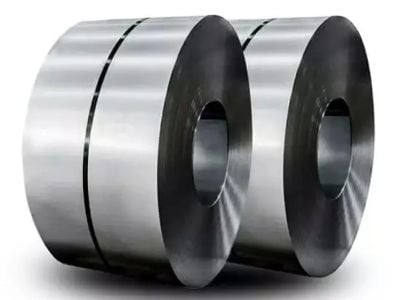
Understanding the factors that determine the zinc coating thickness of hot dip galvanized steel is crucial for B2B buyers in industries that require durable and corrosion-resistant materials. Buyers, such as purchasing managers and engineers, often seek to ensure that the zinc coating meets specific performance and durability standards. This article will delve into the essential aspects of zinc coating thickness, helping you make informed decisions regarding your procurement of hot dip galvanized steel.
What Determines the Ideal Zinc Coating Thickness for Galvanized Steel?
The ideal zinc coating thickness for hot dip galvanized steel typically ranges from 40 to 85 microns, depending on the application and environmental exposure. This thickness ensures adequate protection against corrosion while maintaining the integrity of the steel structure. Buyers should consider several factors when determining the suitable coating thickness, including the intended use, exposure conditions, and any relevant industry standards.
For instance, structures exposed to harsh environments, such as coastal areas or industrial settings, may require thicker coatings to prolong service life. Conversely, applications in mild environments may suffice with a thinner layer. Therefore, understanding the specific environmental conditions and application requirements is critical for selecting the appropriate zinc coating thickness.
Key Factors Influencing Zinc Coating Thickness in Hot Dip Galvanizing
Several key factors influence the zinc coating thickness during the hot dip galvanizing process:
Substrate Preparation: The quality of the steel surface prior to galvanizing significantly affects coating thickness. Proper cleaning and surface preparation remove contaminants that could hinder zinc adhesion ensuring a uniform coating.
Galvanizing Temperature: The temperature of the molten zinc bath also plays a crucial role. Higher temperatures can lead to increased diffusion of zinc into the steel, resulting in a thicker coating. However, excessively high temperatures may cause issues such as excessive spangle formation or a rough surface finish.
Dipping Time: The duration that the steel is immersed in the molten zinc directly correlates with the coating thickness. Longer immersion times typically yield thicker coatings, though this must be balanced against potential distortions or adherence issues.
Steel Composition: The chemical composition of the galvanized steel coil can influence the thickness of the zinc coating. For instance, higher levels of silicon in the steel may result in thicker coatings due to enhanced reaction kinetics during galvanizing.
By understanding these factors, buyers can better assess potential suppliers and the quality of their hot dip galvanized steel products.
Quality Aspects for Buyers
When evaluating hot dip galvanized steel, buyers should focus on several quality aspects to ensure they receive a product that meets their specifications:
Coating Thickness Verification: Always request documentation or certificates of compliance that specify the coating thickness. This can be verified through measurement techniques such as magnetic or ultrasonic testing.
Adhesion Quality: The adhesion of the zinc coating to the Prepainted galvanized steel coil substrate is crucial for durability. Buyers should inquire about the methods used to assess adhesion quality, such as the bend test or pull-off adhesion test.
Surface Finish: Aesthetic quality and surface finish can impact both the performance and appearance of the galvanized steel. Consider whether a smooth finish or a specific spangle appearance is required for your application.
Corrosion Resistance: Understanding the expected lifespan of the coating in the intended environment is vital. Buyers should evaluate whether suppliers provide performance data or case studies demonstrating the corrosion resistance of their products.
By focusing on these quality aspects buyers can ensure they procure hot dip galvanized steel that meets operational needs and provides long-term value.
Comparing Zinc Coating Thickness Standards in Hot Dip Galvanized Steel
Different industries and applications often refer to various standards for zinc coating thickness. The most commonly referenced standards include ASTM A123, which outlines the requirements for zinc coatings on iron and steel products. This standard specifies minimum thicknesses based on the weight of zinc applied, which can vary according to the type of product and its intended use.
For example, structural Pre painted galvanized steel coils may have different thickness requirements than products like wire or sheet metal. Buyers should familiarize themselves with these standards to ensure compliance and suitability for their specific applications.
Moreover, international standards such as ISO 1461 also provide guidelines for zinc coatings, offering a benchmark for global procurement. Understanding these standards can help buyers compare products more effectively, ensuring they meet the necessary specifications for their projects.
Understanding Zinc Coating Thickness Specifications for Bulk Orders
When placing bulk orders for hot dip galvanized steel, it's essential to clarify zinc coating thickness specifications with the supplier. Buyers should consider the following points:
Exact Requirements: Clearly outline the required zinc coating thickness and any acceptable tolerances. Specifications should be included in the purchase order to avoid miscommunication.
Sample Approval: Request a sample with the specified coating thickness before full-scale production. This allows for verification of both thickness and adhesion quality, ensuring the product meets expectations.
Customization Capabilities: Discuss whether the supplier can accommodate specific requirements regarding coating thickness for future orders. This is particularly important for ongoing projects where consistency is crucial.
Logistics and Delivery: Confirm lead times and any potential impacts on coating thickness based on production schedules. Understanding the timeline can help manage expectations and project planning.
By addressing these specifications upfront, buyers can mitigate risks associated with discrepancies in coating thickness and ensure that their bulk orders meet operational requirements. In summary, comprehending the factors that determine zinc coating thickness in hot dip galvanized steel is vital for B2B buyers. By considering the aspects discussed you can make informed purchasing decisions that align with your project needs and ensure the longevity of your galvanized products.
Table of Contents
- What Determines the Ideal Zinc Coating Thickness for Galvanized Steel?
- Key Factors Influencing Zinc Coating Thickness in Hot Dip Galvanizing
- Quality Aspects for Buyers
- Comparing Zinc Coating Thickness Standards in Hot Dip Galvanized Steel
- Understanding Zinc Coating Thickness Specifications for Bulk Orders