
 EN
EN
 AR
AR
 BG
BG
 HR
HR
 CS
CS
 DA
DA
 NL
NL
 FI
FI
 FR
FR
 DE
DE
 EL
EL
 HI
HI
 IT
IT
 JA
JA
 KO
KO
 NO
NO
 PL
PL
 PT
PT
 RO
RO
 RU
RU
 ES
ES
 SV
SV
 TL
TL
 ID
ID
 UK
UK
 VI
VI
 SQ
SQ
 HU
HU
 TH
TH
 TR
TR
 BE
BE
 AZ
AZ
 LO
LO
 MN
MN
 MY
MY
 KK
KK
 SU
SU
 UZ
UZ
 KY
KY

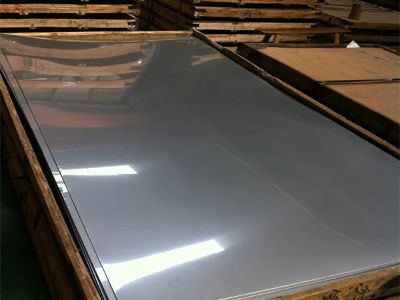
Hot dip galvanized steel is a popular choice in various industries due to its corrosion resistance and durability. However, ensuring that these products meet quality standards is crucial for buyers, as the performance of hot dip galvanized steel can significantly impact project outcomes. This article will detail the quality tests commonly used for hot dip galvanized steel, helping purchasing managers, engineers, and product managers understand how to evaluate and select high-quality materials for their applications.
What Quality Tests Ensure Hot Dip Galvanized Steel Durability?
To guarantee the durability of hot dip galvanized steel, several quality tests are conducted throughout the production process. These tests typically include:
Thickness Measurement: The thickness of the zinc coating is critical for corrosion resistance. A common method is the use of a magnet or ultrasonic gauge, ensuring that the coating meets ASTM A123 standards, which specify a minimum thickness based on the steel's thickness.
Adhesion Test: This test evaluates how well the zinc adheres to the steel substrate. The most common method is the "cross-hatch test," where a grid is cut into the coating, and adhesive tape is applied to see if any zinc peels away. Good adhesion is vital to prevent corrosion under the coating.
Visual Inspection: A thorough visual inspection can reveal surface defects like blisters, roughness, or uneven coating. Any imperfections can compromise performance, making this an essential step in quality control.
Salt Spray Test: To simulate corrosion conditions, the salt spray test exposes the galvanized steel to a salt fog environment. The duration of corrosion resistance is measured, providing insight into long-term performance in real-world conditions.
These quality tests not only ensure that the hot dip galvanized steel meets industry standards but also provide buyers with confidence in the material's longevity and performance.
How to Evaluate the Quality of Hot Dip Galvanized Steel Products?
Evaluating the quality of hot dip galvanized steel products involves several critical steps that buyers should follow:
Request Test Certificates: Always ask suppliers for documentation of quality tests conducted on the products. Certificates that include results from the thickness measurement, adhesion tests, and salt spray tests provide valuable assurance of quality.
Check Compliance with Standards: Ensure that the products comply with relevant industry standards, such as ASTM A123 or ISO 1461. Compliance with these standards generally signifies that the products have undergone rigorous testing.
Examine Surface Finish: A quality product should have a smooth surface finish without excessive spangles or blemishes. Surface defects can indicate poor processing and may lead to premature corrosion.
Sample Inspection: Before placing a bulk order, request samples to assess quality firsthand. Pay attention to the coating's uniformity and adherence, as inconsistencies may lead to performance issues in application.
Supplier Reputation: Evaluate the reputation of the supplier, including their manufacturing capabilities, quality control processes, and customer reviews. A reliable supplier is often a good indicator of consistent product quality.
By following these steps, buyers can effectively evaluate hot dip galvanized steel products and make informed purchasing decisions.
Wholesale Purchasing Guide for Hot Dip Galvanized Steel
When considering wholesale purchases of hot dip galvanized steel, buyers should keep the following factors in mind:
Material Specifications: Clearly define the material specifications required for your project, including dimensions, grades, and zinc coating thickness. This information will help suppliers provide accurate quotes and suitable products.
Minimum Order Quantity (MOQ): Be aware of the supplier's MOQ, which can vary significantly. Understanding this will help you gauge the feasibility of your order based on your project needs.
Pricing Factors: Pricing can depend on several factors, including material thickness, coating standards, and order volume. Request detailed quotations that outline the cost per unit, shipping, and any additional fees.
Lead Times: Discuss lead times with suppliers upfront. Hot dip galvanized steel may have longer lead times due to the processing involved, so it’s essential to factor this into project timelines.
Customization Options: Some projects may require specific customization, such as pre-cut lengths or specific surface treatments. Confirm with suppliers about their capabilities for customization and any associated costs.
By following this guide, buyers can streamline the purchasing process and ensure they acquire the right hot dip galvanized coating steel products for their needs.
Common Quality Problems in Hot Dip Galvanized Steel Explained
Despite rigorous quality testing, several common problems can arise with hot dip galvanized steel products:
Inadequate Coating Thickness: If the zinc coating is too thin, it may not provide sufficient corrosion protection. This issue can stem from improper bath temperature or inadequate immersion time during galvanization.
Poor Adhesion: A lack of adhesion can lead to premature peeling of the zinc coating. This problem often results from improper surface preparation or contaminants on the steel prior to galvanization.
White Rust: White rust, or zinc hydroxide, can develop if galvanized steel is stored improperly or exposed to moisture. This issue does not affect the structural integrity but can be unsightly and indicate potential corrosion.
Surface Defects: Defects such as blisters or rough spots can arise from poor handling, improper cooling, or contamination during the galvanizing process. These imperfections can compromise the protective coating.
Being aware of these potential issues allows buyers to proactively address quality concerns and ensure they are receiving high-caliber products.
Applications of Hot Dip Galvanized Steel in Various Industries
Hot dip galvanized steel is versatile and finds applications across multiple industries due to its robust properties. Some common applications include:
Construction: Used for structural components, such as beams, columns, and reinforcements, hot dip galvanized steel provides long-lasting performance in buildings and infrastructure projects.
Transportation: The automotive and railway industries utilize galvanized steel for parts like chassis, frames, and body panels, benefiting from its corrosion resistance in varying weather conditions.
Agriculture: Hot dip galvanized steel is essential for outdoor equipment and structures, including fences, silos, and storage tanks, where exposure to moisture and weather is a concern.
Telecommunications: Used for towers and poles, galvanized steel ensures longevity and reliability in outdoor installations that face environmental challenges.
Manufacturing: Various manufacturing sectors use hot dip galvanized steel for machinery and equipment that require durability and resistance to wear and corrosion.
Understanding these applications can help buyers select the appropriate type of hot dip galvanized steel for their specific needs, ensuring optimal performance and longevity.
Table of Contents
- What Quality Tests Ensure Hot Dip Galvanized Steel Durability?
- How to Evaluate the Quality of Hot Dip Galvanized Steel Products?
- Wholesale Purchasing Guide for Hot Dip Galvanized Steel
- Common Quality Problems in Hot Dip Galvanized Steel Explained
- Applications of Hot Dip Galvanized Steel in Various Industries