 EN
EN
 AR
AR
 BG
BG
 HR
HR
 CS
CS
 DA
DA
 NL
NL
 FI
FI
 FR
FR
 DE
DE
 EL
EL
 HI
HI
 IT
IT
 JA
JA
 KO
KO
 NO
NO
 PL
PL
 PT
PT
 RO
RO
 RU
RU
 ES
ES
 SV
SV
 TL
TL
 ID
ID
 UK
UK
 VI
VI
 SQ
SQ
 HU
HU
 TH
TH
 TR
TR
 BE
BE
 AZ
AZ
 LO
LO
 MN
MN
 MY
MY
 KK
KK
 SU
SU
 UZ
UZ
 KY
KY

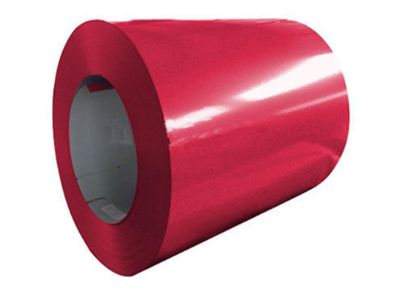
The latest trends in hot dip galvanized steel production technology are reshaping how manufacturers meet industry demands. Understanding these trends is crucial for purchasing managers, engineers, and product managers seeking to optimize their projects with high-quality materials. This article will delve into how to select quality hot dip galvanized steel, compare specifications for bulk orders, evaluate suppliers, assess cost factors, and identify common problems along with effective solutions.
How to Choose Quality Hot Dip Galvanized Steel for Your Projects?
Selecting high-quality hot dip galvanized steel begins with understanding the specifications that impact performance and application suitability. Key factors to consider include the thickness of the galvanized steel layer, which affects corrosion resistance; the steel grade, which determines strength and durability; and the surface finish that influences aesthetic and functional properties.
When assessing options, ensure the galvanized coating meets industry standards such as ASTM A123, which specifies the requirements for hot dip galvanized coating on iron and steel products. Additionally, consider the application environment. For instance, if the steel will be exposed to severe weather conditions, a thicker galvanization may be required to ensure longevity.
Finally, request samples to evaluate the surface quality and adhesion of the coating. A visual inspection can help identify imperfections that might affect performance and appearance in your specific application.
Comparing Hot Dip Galvanized Steel Specifications for Bulk Orders
When procuring hot dip galvanized steel in bulk, it’s essential to compare specifications to ensure you receive the best product for your needs. Key specifications to compare include:
Coating Thickness: Varying thicknesses can be specified according to the intended application and environmental exposure. A minimum of 45 microns is recommended for most outdoor applications.
Steel Grade: Common grades include ASTM A36 and A572. The chosen grade should align with structural requirements to prevent issues during use.
Dimensional Tolerances: Verify that the dimensions meet your project requirements. Tolerances can vary, impacting fit and function in fabrication or assembly.
Mechanical Properties: Ensure that the yield strength, tensile strength, and elongation ratios are suitable for your application. This is especially important in structural applications where load-bearing capabilities are critical.
By establishing clear specifications before placing an order, buyers can avoid miscommunications and ensure that the material delivered meets project requirements.
What to Look for When Sourcing Hot Dip Galvanized Steel Suppliers?
Choosing the right supplier for hot dip galvanized steel is critical to project success. Start by evaluating their manufacturing capabilities, including the type of equipment used for galvanization. Advanced facilities should employ methods that ensure consistent quality and adherence to relevant standards.
Next, consider the supplier's quality control processes. Look for certifications such as ISO 9001, which indicates a commitment to quality management systems. Inquire about their inspection protocols, particularly concerning the galvanization process, to ensure that products are thoroughly tested for defects or inconsistencies.
Additionally, assess their delivery capabilities and lead times. Reliable suppliers should provide clear timelines and the ability to meet urgent orders without compromising quality. A supplier’s experience in your specific industry can also be a significant advantage, as they will be more familiar with the unique demands and standards required.
Evaluating the Cost Factors of Hot Dip Galvanized Steel Products
Cost evaluation for hot dip galvanized steel involves multiple factors beyond just the price per ton. Key considerations include:
Material Costs: The base steel price can fluctuate based on market demand, which should be factored into overall procurement costs.
Coating Costs: The method of galvanization can impact pricing. Hot dip galvanizing typically offers better corrosion resistance compared to other methods, but it can be more expensive depending on the complexity of the process and the equipment used.
Transportation Costs: Consider the distance to the supplier and the logistics involved in delivery. Bulk orders may require special shipping arrangements, which can influence total costs.
Lead Time: A shorter lead time may come at a premium. Evaluate whether faster delivery is necessary for your project timeline and budget, as this can help in negotiating terms with suppliers.
By analyzing these cost factors comprehensively, buyers can make informed decisions that balance quality and budgetary constraints effectively.
Common Problems in Hot Dip Galvanized Steel and Effective Solutions
While hot dip galvanized steel is known for its durability, several common problems can arise during production or application. These include:
Poor Coating Adhesion: This can lead to premature corrosion. To mitigate this, ensure that the steel is properly prepped before galvanization, and that the temperature during dipping is adequately controlled.
Uneven Coating Thickness: Variations may occur due to inconsistent dipping speeds or improper equipment calibration. Request detailed inspection reports from your supplier to ensure uniformity.
White Rust Formation: This occurs when galvanized steel is improperly stored or exposed to moisture. Implementing proper storage techniques, such as keeping steel in a dry environment and using protective coverings, can prevent this issue.
Fabrication Challenges: Cutting or welding galvanized steel requires specific techniques to avoid damaging the coating. Use appropriate tools and methods to maintain the integrity of the galvanization during fabrication processes.
Understanding these common issues and their solutions can help buyers effectively manage expectations and ensure the longevity of their galvanized steel products.
In summary, staying informed about the latest trends in hot dip galvanized steel production technology and knowing how to navigate the selection and sourcing processes will empower B2B buyers to make confident procurement decisions.
Table of Contents
- How to Choose Quality Hot Dip Galvanized Steel for Your Projects?
- Comparing Hot Dip Galvanized Steel Specifications for Bulk Orders
- What to Look for When Sourcing Hot Dip Galvanized Steel Suppliers?
- Evaluating the Cost Factors of Hot Dip Galvanized Steel Products
- Common Problems in Hot Dip Galvanized Steel and Effective Solutions