
 EN
EN
 AR
AR
 BG
BG
 HR
HR
 CS
CS
 DA
DA
 NL
NL
 FI
FI
 FR
FR
 DE
DE
 EL
EL
 HI
HI
 IT
IT
 JA
JA
 KO
KO
 NO
NO
 PL
PL
 PT
PT
 RO
RO
 RU
RU
 ES
ES
 SV
SV
 TL
TL
 ID
ID
 UK
UK
 VI
VI
 SQ
SQ
 HU
HU
 TH
TH
 TR
TR
 BE
BE
 AZ
AZ
 LO
LO
 MN
MN
 MY
MY
 KK
KK
 SU
SU
 UZ
UZ
 KY
KY

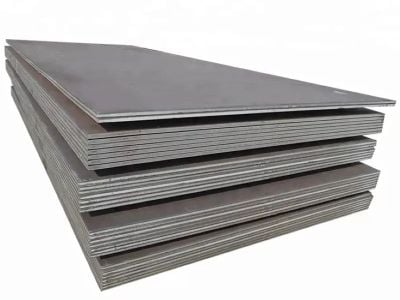
Understanding the causes of surface variations in hot dip galvanized steel is crucial for purchasing managers and engineers in the manufacturing and construction industries. These variations can affect the performance and longevity of the steel products used in various applications. This article will delve into the factors that cause these surface variations helping buyers make informed decisions when sourcing hot dip galvanized steel.
Understanding Quality Control in Hot Dip Galvanized Steel Production
Quality control in the production of hot dip galvanized steel involves a series of rigorous tests and inspections throughout the manufacturing process. This begins with the selection of raw materials, where the quality of the steel itself is paramount. Buyers should ensure that the steel meets relevant standards and specifications, which can influence the effectiveness of the galvanization process. During the galvanization process, the steel is immersed in molten zinc. Factors such as immersion time, temperature, and the composition of the zinc bath can significantly impact the surface finish of the galvanized product. Quality control measures include monitoring these variables and performing visual inspections and thickness measurements on the galvanized coating. Adequate training for personnel involved in the process is essential to maintain consistent quality. Furthermore, employing advanced manufacturing equipment helps improve surface quality. Shandong Jiate Steel Co., Ltd. invests in state-of-the-art technology to enhance production capabilities and ensure that their hot dip galvanized steel meets or exceeds industry standards.
Key Specifications to Evaluate Hot Dip Galvanized Steel Quality
When assessing the quality of hot dip galvanized steel, several key specifications should be considered. These include:
Coating Thickness: The thickness of the zinc coating plays a crucial role in corrosion resistance. It is typically measured in micrometers (cm). Buyers should refer to standards such as ASTM A123 or ISO 1461 to confirm that the coating thickness is adequate for the intended application.
Adhesion: The ability of the zinc coating to adhere to the steel substrate affects its performance. Testing methods such as the ASTM D3359 adhesion test can help evaluate this property.
Surface Finish: The appearance of the galvanized steel coil surface can vary from smooth to spangled. Buyers should specify their requirements based on aesthetic considerations and application needs.
Zinc Composition: The purity of the zinc used in the galvanization process can also influence the quality of the coating. Galvanizing with high-purity zinc typically results in better corrosion resistance.
Visual Inspection: Conducting a thorough visual inspection for defects such as blisters, peeling, or uneven surfaces is critical to ensuring product quality.
By understanding these specifications, buyers can make informed decisions and request the necessary documentation from suppliers to verify compliance with quality standards.
Common Problems with Surface Variations in Galvanized Steel
Surface variations in hot dip galvanized steel can arise from several common issues during the manufacturing process. Some of these include:
Inadequate Surface Preparation: If the steel is not properly cleaned before galvanization, contaminants such as oils, greases, or rust can lead to poor adhesion and uneven coatings.
Temperature Fluctuations: Variations in the temperature of the zinc bath can affect how the zinc adheres to the steel. If the temperature is too low, the coating may be thin, while excessively high temperatures can lead to excessive spangle or "frosting."
Improper Immersion Time: The time the Prepainted galvanized steel coil spends in the molten zinc must be controlled. Too short an immersion can result in insufficient coating thickness, while too long can lead to excessive buildup and surface defects.
Moisture and Contamination: If moisture or contaminants are present in the air or on the steel during the galvanization process, this can lead to a range of surface defects, including rust spots and blisters.
By identifying these common problems, buyers can better communicate their quality requirements and ensure that suppliers are equipped to produce high-quality galvanized steel.
Solutions for Addressing Surface Variations in Hot Dip Galvanized Steel
Addressing surface variations in hot dip galvanized steel involves a combination of process optimization and quality control. Here are some practical solutions:
Enhanced Surface Preparation: Improving surface cleaning methods, such as using abrasive blasting or chemical cleaners, can help ensure that the steel is free from contaminants before galvanization.
Temperature Monitoring: Implementing real-time temperature monitoring systems in the galvanization bath can help maintain optimal conditions, ensuring consistent coating quality.
Process Standardization: Establishing standardized immersion times based on the Pre painted galvanized steel coils thickness and the galvanizing bath temperature can help eliminate variances in coating quality.
Regular Quality Audits: Conducting periodic audits of the galvanization process can help identify areas for improvement and ensure adherence to quality standards. This can also involve reviewing batch records and performing random inspections.
Collaboration with Suppliers: Establishing close communication with suppliers can facilitate a better understanding of the galvanization process and help address any quality issues that arise.
By implementing these solutions, manufacturers can significantly reduce surface variations and improve the overall quality of their galvanized steel products.
Cost Considerations for Hot Dip Galvanized Steel Procurement
When procuring hot dip galvanized steel, several cost factors should be considered. Understanding these can help buyers budget effectively and make informed purchasing decisions:
Material Costs: The price of raw steel and zinc can fluctuate based on market conditions. Buyers should stay informed about current prices to negotiate favorable terms.
Manufacturing Costs: The complexity of the galvanization process can impact costs. Factors such as energy consumption, labor, and equipment maintenance should be considered when evaluating supplier pricing.
Quality Assurance Costs: Investing in quality control measures may incur additional costs, but they can ultimately reduce risks associated with product failures and warranty claims.
Transport and Handling: Costs associated with logistics, such as shipping and handling, can add to the overall procurement price. Buyers should factor in these costs when comparing suppliers.
Volume Discounts: Many manufacturers offer discounts for bulk orders. Understanding minimum order quantities (MOQs) and negotiating terms can lead to significant savings.
By considering these cost factors and thoroughly evaluating suppliers buyers can optimize their procurement process for hot dip galvanized steel, ensuring they receive high-quality products at competitive prices.
Table of Contents
- Understanding Quality Control in Hot Dip Galvanized Steel Production
- Key Specifications to Evaluate Hot Dip Galvanized Steel Quality
- Common Problems with Surface Variations in Galvanized Steel
- Solutions for Addressing Surface Variations in Hot Dip Galvanized Steel
- Cost Considerations for Hot Dip Galvanized Steel Procurement