 EN
EN
 AR
AR
 BG
BG
 HR
HR
 CS
CS
 DA
DA
 NL
NL
 FI
FI
 FR
FR
 DE
DE
 EL
EL
 HI
HI
 IT
IT
 JA
JA
 KO
KO
 NO
NO
 PL
PL
 PT
PT
 RO
RO
 RU
RU
 ES
ES
 SV
SV
 TL
TL
 ID
ID
 UK
UK
 VI
VI
 SQ
SQ
 HU
HU
 TH
TH
 TR
TR
 BE
BE
 AZ
AZ
 LO
LO
 MN
MN
 MY
MY
 KK
KK
 SU
SU
 UZ
UZ
 KY
KY

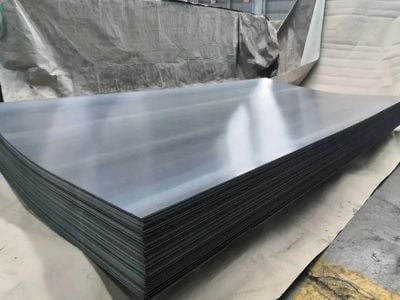
Hot dip galvanized steel is a crucial material in various industries, known for its corrosion resistance and longevity. Central to this performance is the role of zinc layers in hot dip galvanized steel corrosion control. Understanding how these layers function can significantly influence purchasing decisions, ensuring that the chosen materials meet specific application requirements while mitigating concerns about durability and maintenance. This article will explore the importance of zinc layers, how to select the right galvanized steel for your projects, cost considerations, applications, and efficient sourcing strategies.
The Importance of Zinc Layers for Corrosion Resistance in Steel
Zinc layers serve as a protective barrier against corrosion in hot dip galvanized steel. When steel is submerged in molten zinc, a metallurgical bond forms between the zinc and the steel, creating a robust layer that prevents moisture and oxygen from reaching the underlying metal. This barrier is essential for prolonging the life of steel products exposed to harsh environmental conditions, such as humidity, salt spray, and industrial pollutants. The thickness of the zinc layer is critical; it typically ranges from 45 to 85 microns, depending on the application and environment. A thicker coating provides enhanced protection but may increase costs. If the zinc layer is too thin, it may not adequately protect the stainless steel sheet, leading to premature corrosion. Therefore, buyers should consider the specific environmental factors and expected lifespan when evaluating zinc layer thickness.
How to Choose Hot Dip Galvanized Steel for Your Projects?
Selecting the right hot dip galvanized steel involves several factors. First, consider the environmental conditions where the steel will be used. For instance, projects in coastal areas may require a thicker zinc coating due to higher exposure to salt and moisture. Additionally, the intended application whether in structural, automotive, or decorative uses should influence your choice. Specification confirmation is crucial prior to ordering. Buyers should request detailed information regarding the thickness of the zinc layer, the type of stain steel sheets used, and any additional treatments that may enhance corrosion resistance. It is also advisable to review technical drawings and confirm dimensions to ensure compatibility with existing structures or systems. Customization capabilities can also play a significant role in the selection process. If specific dimensions or coatings are required, discussing these needs with the manufacturer can help ensure that the final product meets all necessary specifications.
Cost Factors to Consider for Hot Dip Galvanized Steel Purchases
The cost of hot dip galvanized steel is influenced by various factors, including material costs, zinc coating thickness, and manufacturing processes. Zinc prices can fluctuate, affecting overall costs; therefore, understanding current market conditions is vital for budgeting. Additionally, the complexity of the order plays a role. Custom dimensions or additional treatments will typically lead to higher costs. Buyers should also factor in shipping and handling fees, especially for large orders or international shipments, which can significantly impact the final price. When evaluating costs, consider the total lifecycle expenses rather than just the initial purchase price. Investing in higher-quality hot dip galvanized steel with adequate zinc layers may reduce long-term maintenance and replacement costs, providing better value over time.
Applications of Zinc Layers in Hot Dip Galvanized Steel
Zinc layers in hot dip galvanized steel are used across various industries due to their corrosion-resistant properties. Common applications include construction, automotive manufacturing, and outdoor equipment. In the construction industry, galvanized steel is often used for structural components, railings, and fencing due to its durability. In the automotive sector, galvanized steel sheet stainless plays a crucial role in protecting vehicle bodies from rust, enhancing both longevity and resale value. Additionally, outdoor equipment such as playground structures and agricultural machinery benefits from the corrosion resistance provided by zinc layers, ensuring safety and usability over time. Understanding the specific application of galvanized steel can help buyers make informed decisions regarding the type and thickness of the zinc layer necessary for optimal performance.
Sourcing Zinc Layered Steel Efficiently
Efficient sourcing of zinc layered steel requires strategic planning and communication with suppliers. Begin by identifying reliable manufacturers with proven experience in producing hot dip galvanized steel. Evaluate their capabilities, including quality control processes and customization options, to ensure they can meet your specific needs. When requesting quotes, provide comprehensive information, including product type, dimensions, required zinc thickness, and intended application. This clarity will help suppliers offer accurate pricing and lead times. Additionally, consider requesting samples to assess quality before committing to large orders. Inspect samples for surface finish, coating thickness, and overall workmanship to confirm they meet your expectations. Engaging in open communication with potential suppliers can help establish a strong working relationship, ensuring that your sourcing process is both efficient and effective. By understanding the role of zinc layers in hot dip galvanized steel corrosion control, you can make informed decisions that align with your project requirements. With the right knowledge, you can select the appropriate materials while effectively managing costs and ensuring long-term performance.